
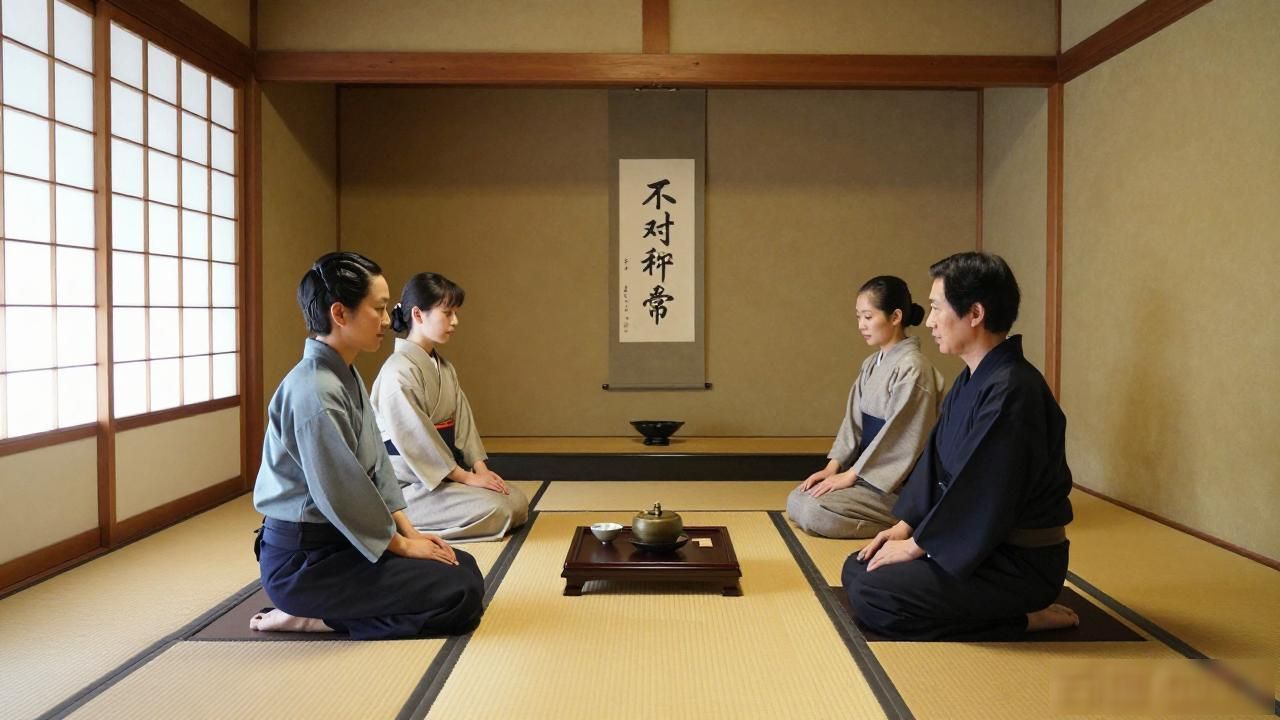
A tea ceremony experience is far more than pouring hot water over leaves. For many visitors stepping into a quiet tatami room for the first time, the ritual unfolds in ways that surprise and settle the mind at once. Over my years guiding newcomers through this practice, I have watched the same pattern repeat: tight shoulders at the door, stillness by the third gesture. Here is what you can actually expect when you sit down for your first proper ceremony, free of the mystique that travel blogs tend to pile on.
what makes tea ceremony experience unique

Most people walk in expecting a small performance. The host bows, the guest sips, everyone nods politely. In reality, the entire sequence is built on asymmetry and impermanence. The teahouse itself may be just three by three tatami mats, barely enough for four people and one hanging scroll. The utensils are deliberately mismatched, a rough dark clay bowl beside a smooth bamboo ladle, because the underlying philosophy rejects polished uniformity. No two ceremonies will look or feel alike, and that is not a flaw. It is the point.
What catches most first-time guests off guard is the silence. There is no background music, no small talk expected, no phone buzzing. You watch the host scrape the whisk, hear the iron kettle click against the stone hearth, feel the weight of the bowl turning slowly in your palms. The sensory deprivation is part of the design, not a lack of planning. You are asked to listen to the tea being ground, to smell the roasting grain rising off the kettle lid, to notice the single branch of pine in the alcove rather than a whole bouquet.

how long does tea ceremony experience last
A full traditional ceremony, called chaji, stretches over two and a half to three hours and includes a simple seasonal meal of small bite-sized dishes served on lacquerware. Most venues in Kyoto, Ura, and the rural tea villages around them now offer a condensed chakai session that runs forty-five minutes to a good hour. For travelers with tight itineraries or limited patience, the short version still carries the core gestures, the garden walk, the whisking, the shared bowl, without the extended pacing that can feel slow the first time through.
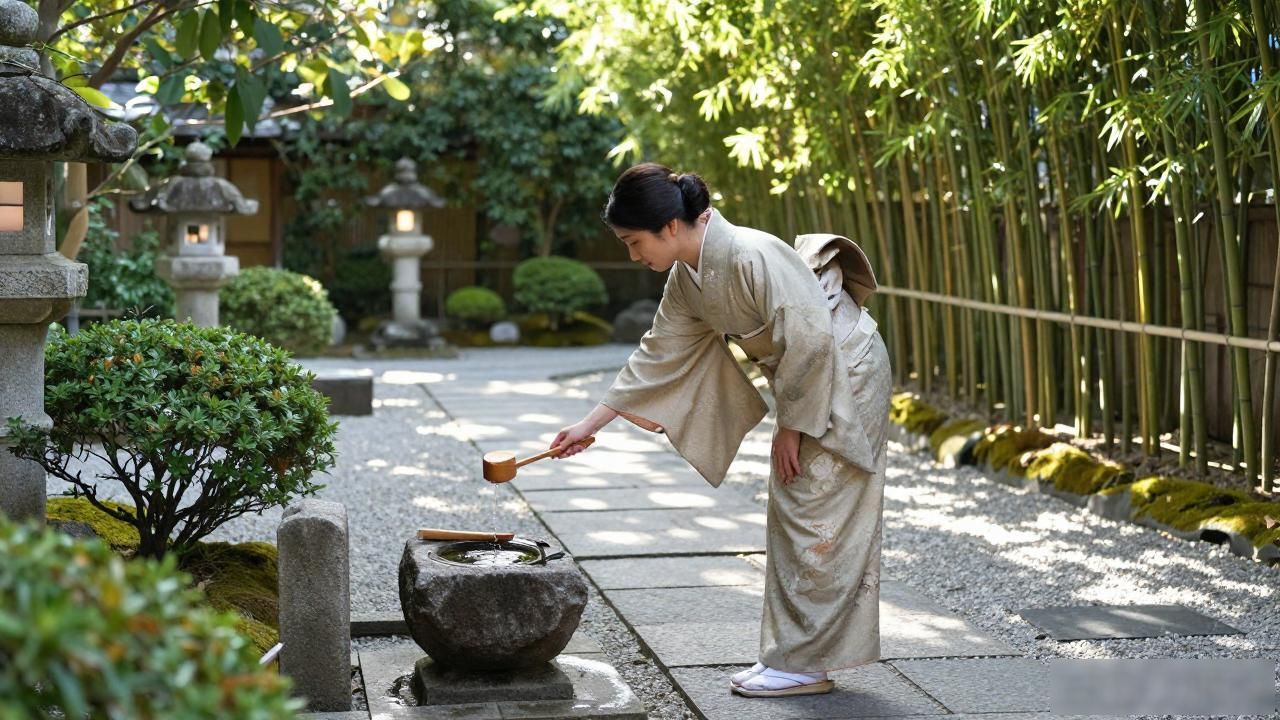
Expect to spend ten to fifteen minutes just before the tea is even prepared,walking the gravel garden path and wiping your hands at the small stone basin. The actual whisking and sipping take under five minutes. The rest is waiting, bowing, and returning the bowl with your palms pressed together at your hip. Patience is not optional here; it is the material you are working with.
I have watched visitors from two dozen countries sit in that small room, and the pattern never changes. The first sip tastes bitter and strange, almost unpleasant. By the second, the shoulders drop and the breathing slows. You leave the teahouse moving slower than you entered, and that is not a metaphor. The ceremony does not hand you an answer. It strips away the noise so your own quiet shows up on the far side of the bowl.