
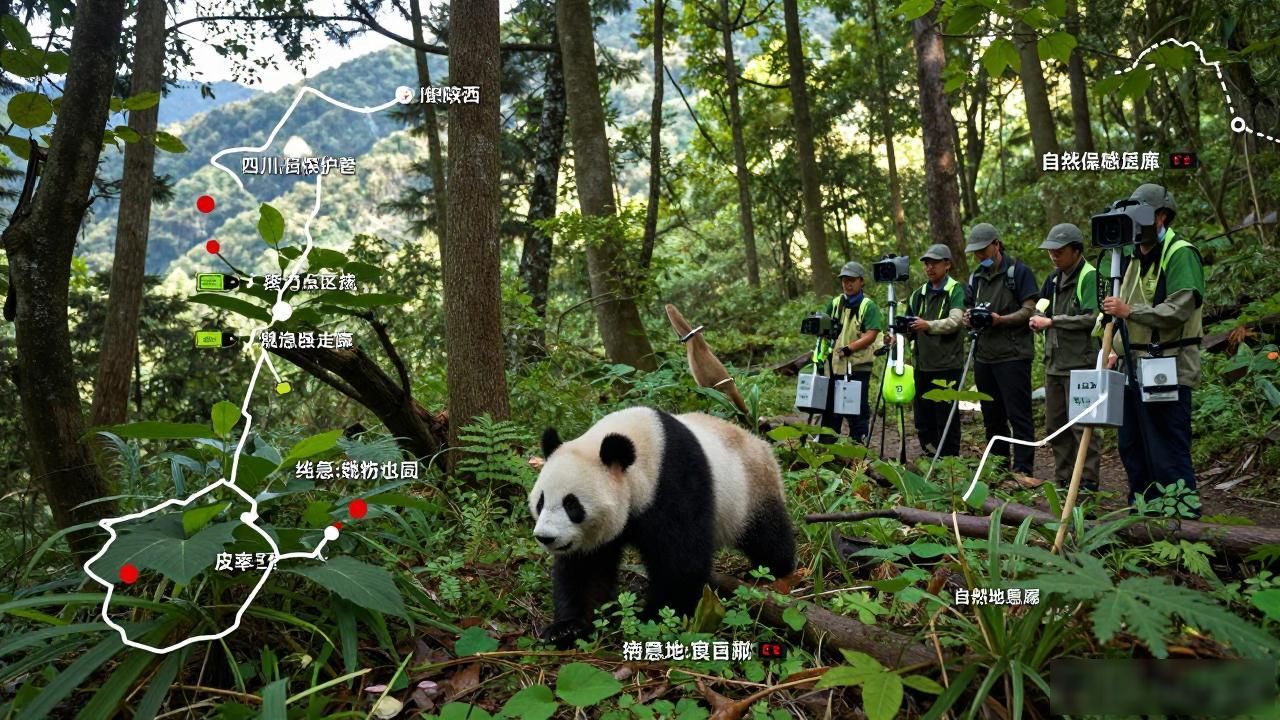
I’ve spent eleven years treating giant pandas at a rehabilitation center in Wolong, Sichuan, and I’ll tell you this: panda conservation is no longer the desperate, last-chance scramble it was in the 1980s. The species has climbed off the critically endangered ledge,but the work underneath the headlines is far from finished. Bamboo forests still fragment, habitats still shrink, and every single individual left in the wild still matters enormously.
How does panda conservation work

The on-the-ground reality is less romantic than most people picture. Conservation teams track wild populations with camera traps and GPS collars, mapping exactly where pandas forage and breed across the Sichuan, Shaanxi, and Gansu provinces. Habitat corridors between nature reserves remain the single most critical tool we use to stop inbreeding. Without those green highways linking isolated subpopulations, genetic diversity erodes generation after generation, and the population drifts quietly toward extinction.
Funding comes from a patchwork: the Chinese government allocates annual reserve budgets, international NGOs like WWF and Save China’s Wildlife chip in for research, and ecotourism fees from carefully managed, low-impact visitor programs keep surrounding local communities financially invested in protecting the animals. The money is adequate for basic veterinary care and monitoring but never quite enough for the scale of habitat restoration these mountain ranges actually need.

Why panda conservation still matters
People wonder if the effort is worth it when the population numbers have improved. I get asked this at every conference I attend abroad. The answer is straightforward: pandas are an umbrella species. Protecting their bamboo ranges simultaneously protects roughly 1,800 other plant and animal species that share the same mountain ecosystem. Remove the panda from the equation and you lose the entire web of high-altitude biodiversity that depends on intact forest corridors.
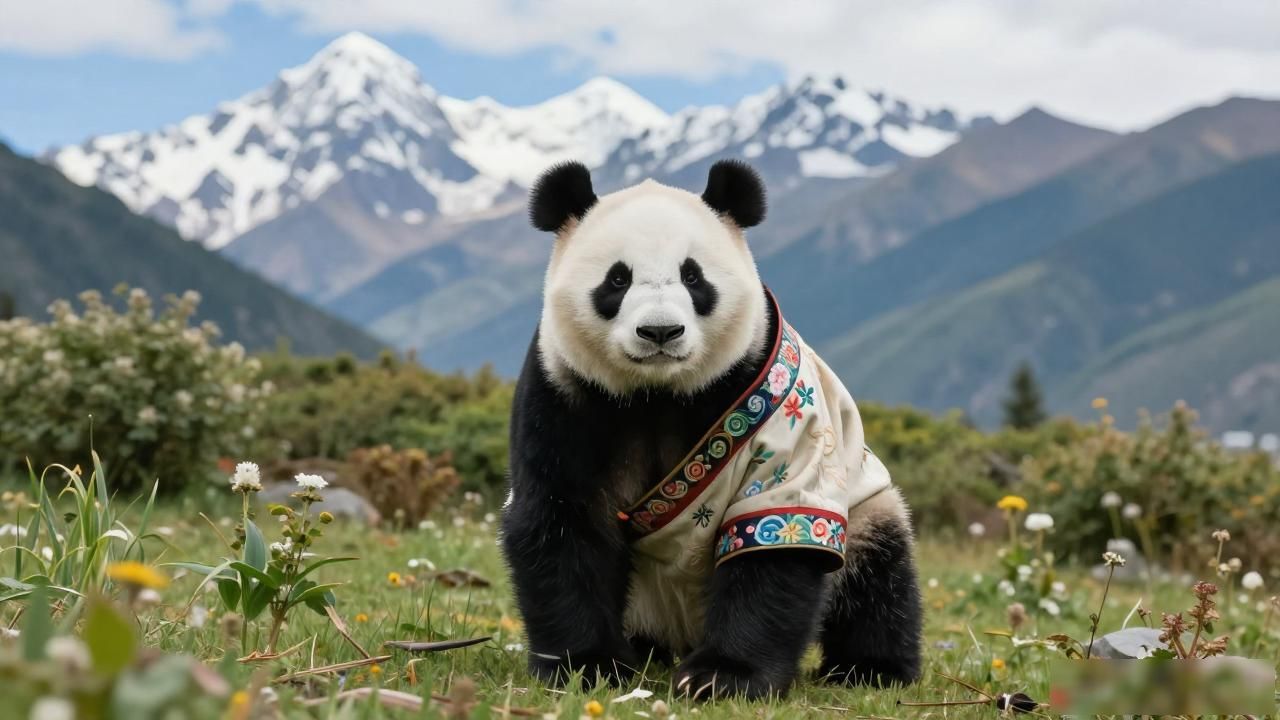
There is also a political and economic dimension. The panda functions as a soft-power asset that keeps global attention fixed on Chinese biodiversity. That sustained attention translates into real conservation policy, not just for this one iconic species but for the entire plateau and its fragile alpine zones.
I don’t think we can relax. The species is more stable, yes, but the forests it depends on are still pressured by road construction, shifting climate patterns that disrupt bamboo flowering cycles, and human encroachment at the reserve boundaries. Panda conservation is not a solved equation. It is a daily, unglamorous grind, and it has to keep going for decades to come.