
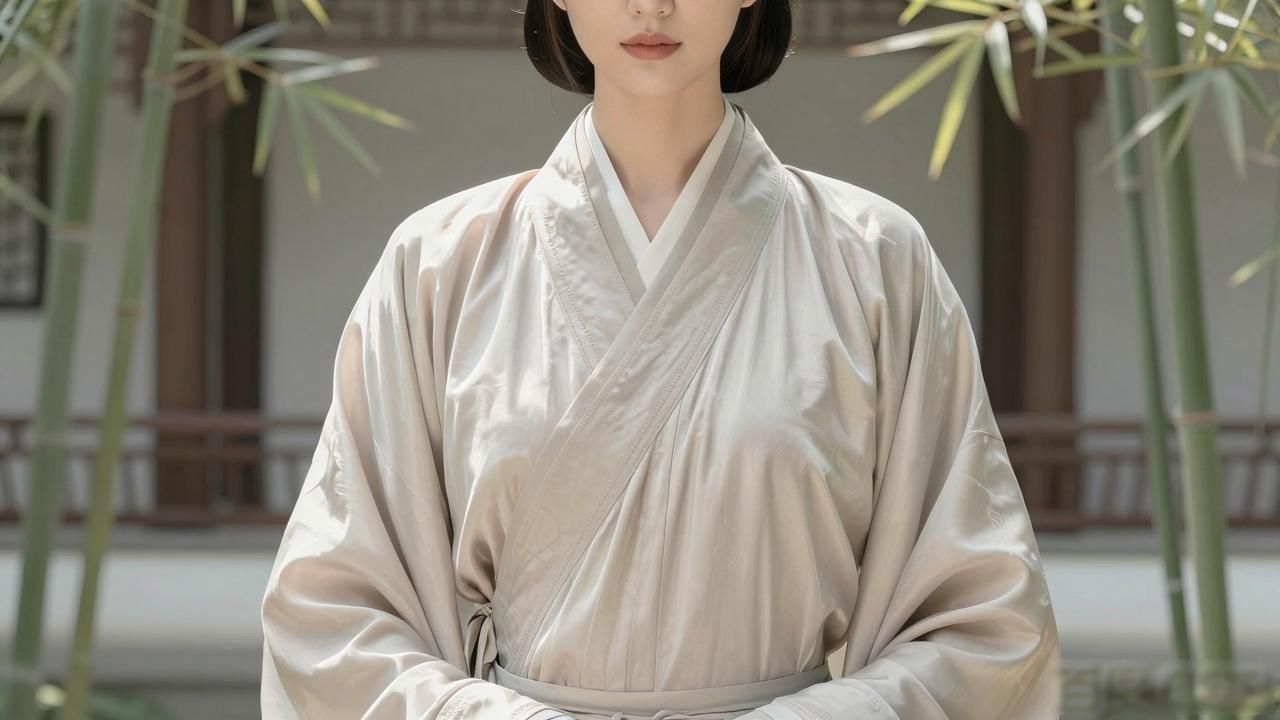
When people search for “Authentic Hanfu styles,” they are often trying to separate the real thing from modern costumes or cheap imitations. This need goes beyond aesthetics—it touches on cultural respect, historical accuracy, and personal identity. Authentic Hanfu is not just a piece of clothing; it is a set of traditional garments with specific cuts, layering rules, and fabric choices rooted in centuries of Chinese history.
What defines an authentic Hanfu style

The first clue to authenticity lies in the structure. Traditional Hanfu features a crossed collar, known as jiaoling youren, where the left side folds over the right. This is a non-negotiable feature. Many modern replicas or fantasy costumes get this wrong by reversing the overlap or using a straight collar instead. The sleeves also tell a story. Authentic styles often use wide, flowing sleeves called pao or narrow cuffs for everyday wear, depending on the dynasty. For example, Ming dynasty Hanfu favors a straight collar with buttons on the side, while Tang dynasty styles use large wrap-around skirts and short jackets.
Fabric choice matters deeply. Historically, Hanfu was made from natural materials like hemp, ramie, silk, or cotton. Polyester blends are common today, but an authentic piece will prioritize breathable, natural fibers. The way the fabric drapes—heavy silk that falls gracefully, not stiff synthetic sheets—is a telltale sign. Even the stitching method can differ. Traditional Hanfu often uses hidden seams or hand-finished edges, not industrial overlocking. If the garment feels plasticky or shines too brightly, it is likely a stage costume, not authentic Hanfu.
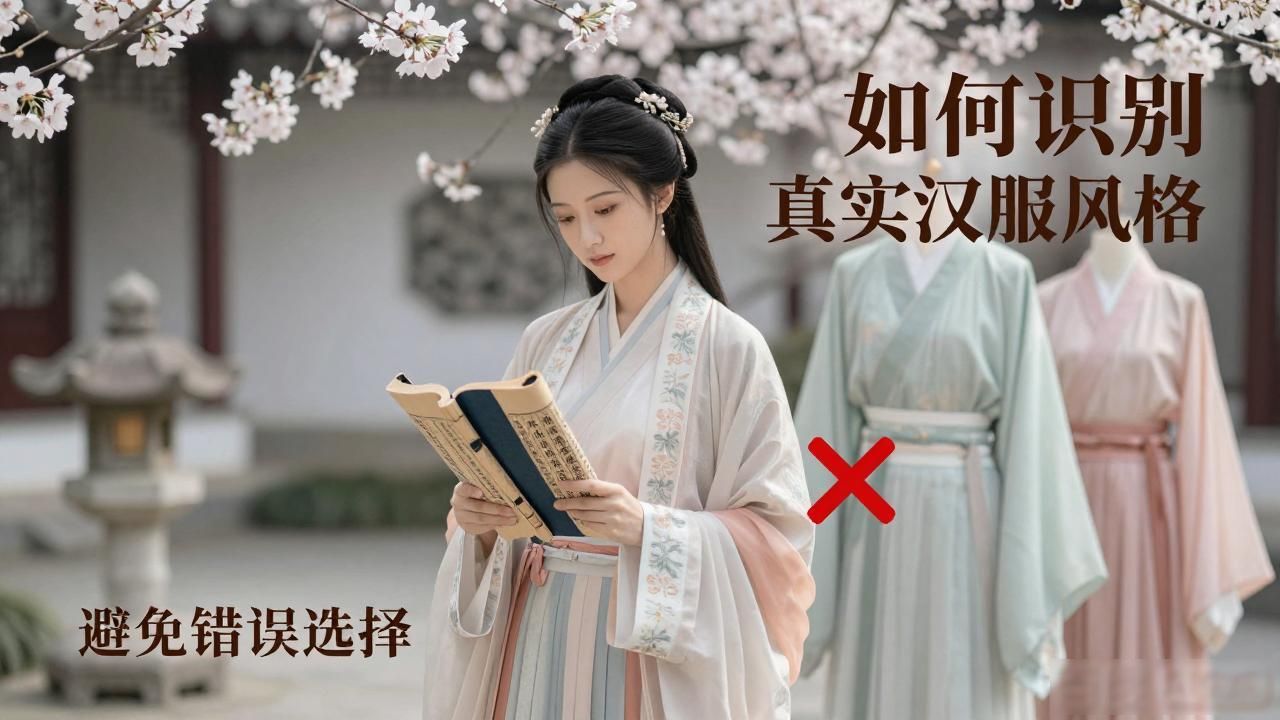
How to avoid common mistakes when choosing Hanfu
Many buyers confuse Hanfu with cosplay outfits or TV drama costumes. While both can look beautiful, they miss the historical foundation. Authentic Hanfu styles follow specific construction rules for each dynasty. A common mistake is buying a “hanfu-style” dress that has a front zipper or elastic waistband—these modern elements do not exist in traditional Hanfu. Real Hanfu uses sashes, buttons, or knots for closure. Another frequent error is mismatching layers. In authentic wear,the inner garment should be fully visible at the collar, and the skirt should sit at the natural waist or above it, not on the hips.
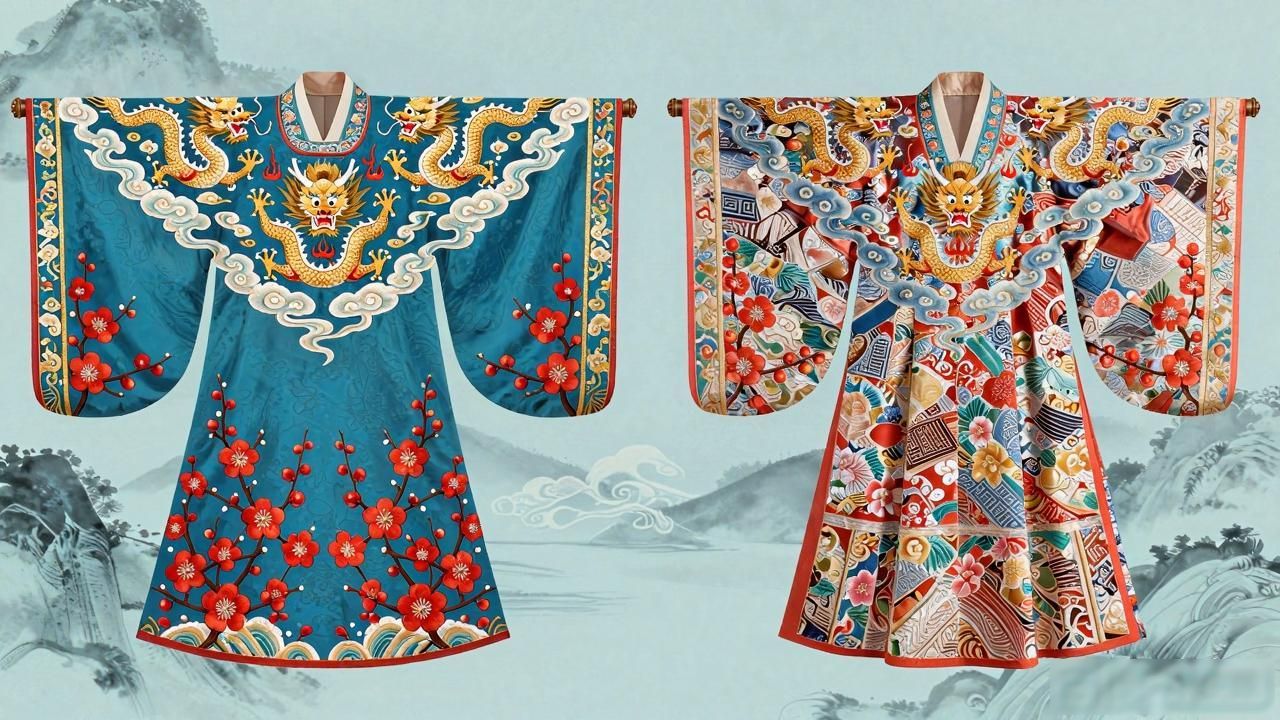
Patterns and embroidery also carry meaning. Authentic Hanfu often uses symbols like clouds, dragons, or plum blossoms, but these are not randomly placed. They follow cultural conventions about balance and direction. Some commercial versions slap patterns everywhere without logic. If you see a garment covered in chaotic prints with no clear focal point, it is probably not authentic. The best way to avoid these mistakes is to research specific dynasty styles before buying, check the seller’s historical references, and read reviews from experienced Hanfu enthusiasts.
Authentic Hanfu styles are not just about looking good—they are about wearing history correctly. When you understand the details, you can spot the difference instantly.