
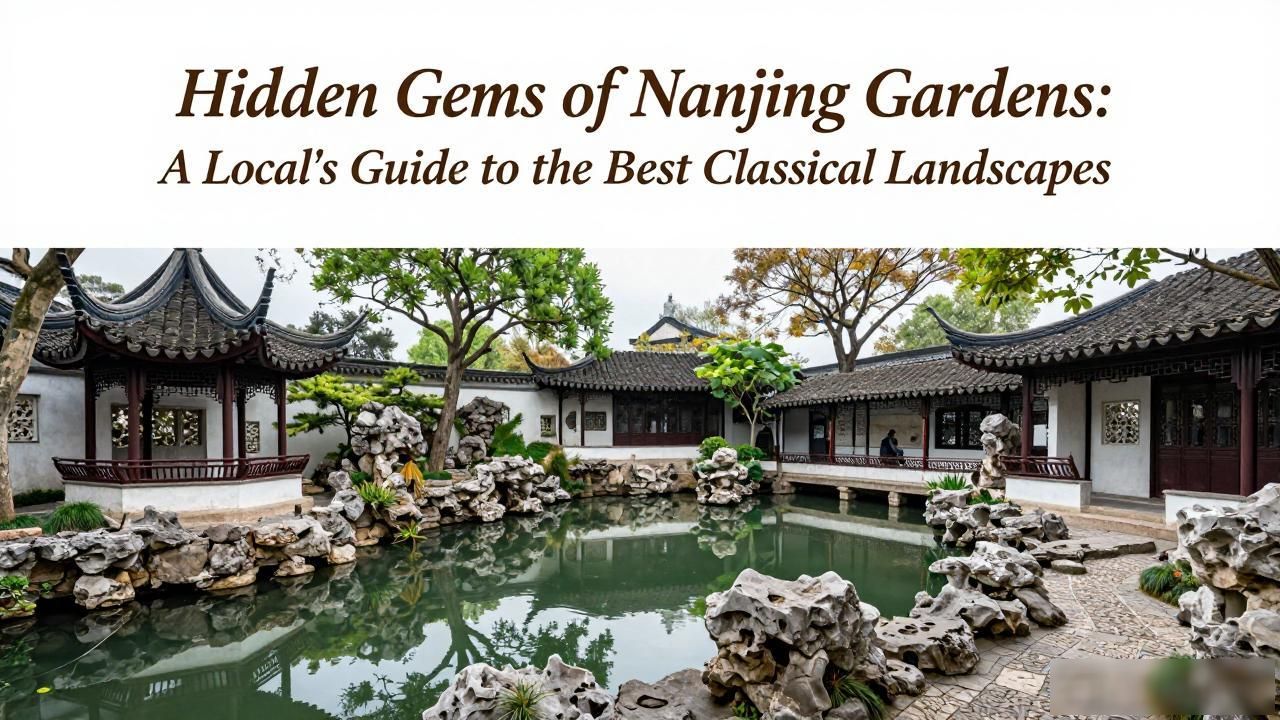
When people think of Chinese gardens, Suzhou usually comes to mind first. But Nanjing, as the ancient capital of six dynasties, holds its own treasures—gardens that blend imperial grandeur with scholarly refinement. These are not just tourist spots; they are living museums of Chinese aesthetics, where every rock, pond, and pavilion tells a story of poetry, politics, and philosophy. If you want to experience classical Chinese garden culture beyond the crowds, Nanjing deserves your attention.
What makes Nanjing gardens different from Suzhou
The difference lies in scale and mood. Suzhou gardens are intimate, designed for private contemplation by wealthy merchants. Nanjing gardens, by contrast, often carry an imperial weight—wider courtyards, taller rockeries, and a more dramatic use of water. Take the Xu Garden, attached to the Presidential Palace. Its layout reflects the political transitions of modern China, with Western-style arches meeting traditional Chinese verandas. You walk through layers of history here, not just scenery.

Another distinction is the use of borrowed scenery. Nanjing’s gardens frequently frame the Purple Mountain or city walls in their sightlines, a technique that expands the garden beyond its physical boundaries. This is less common in Suzhou, where gardens are enclosed by high walls. In Nanjing, the city itself becomes part of the garden, and the garden becomes a quiet retreat from the city’s noise.
Which Nanjing gardens should you actually visit
Start with the Zhan Garden, the largest classical garden in the city and a former residence of Ming dynasty officials. Its rockery, built with stones from the nearby Yangtze River, is a masterpiece of artificial mountain construction. Climb to the top and you will see the entire garden unfold below—pavilions tucked among bamboo, koi ponds reflecting the sky, and corridors that zigzag to slow your pace and your thoughts. Spend at least two hours here; it rewards patience.
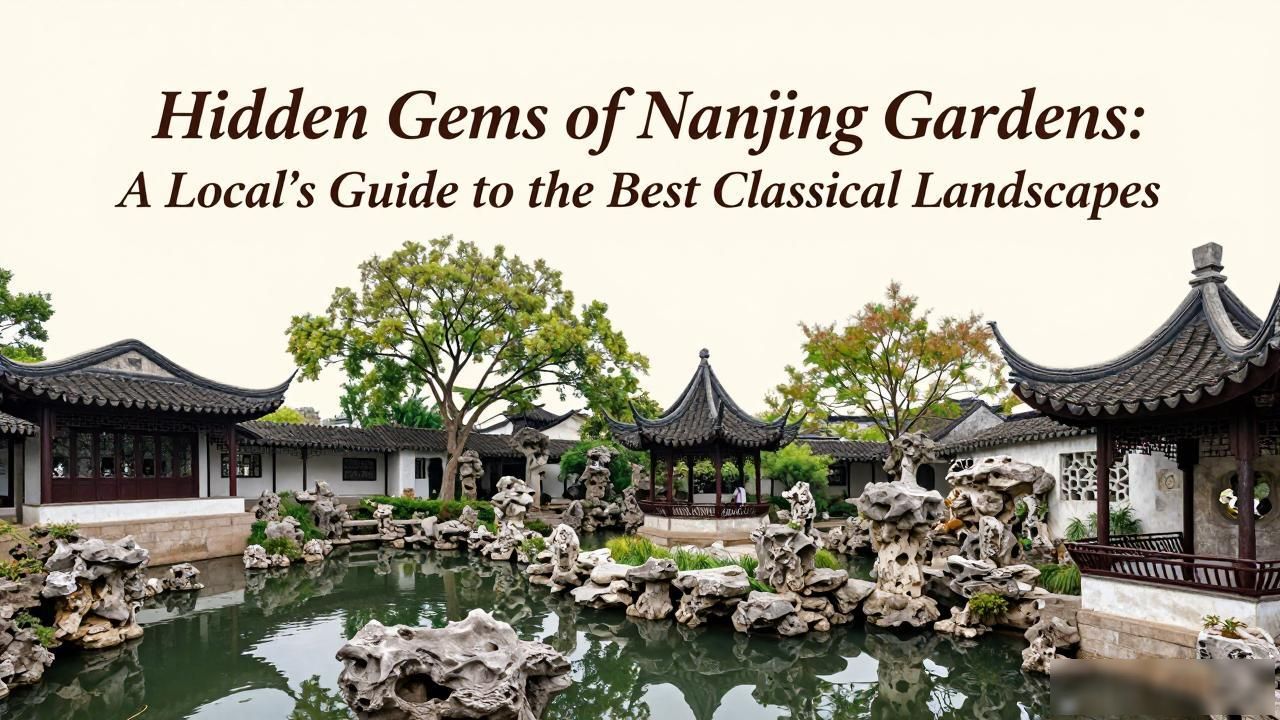
Do not skip the Garden of the Imperial Palace ruins,even though only fragments remain. What is left—stone foundations, a lotus pond, ancient ginkgo trees—gives you a sense of the original Ming palace scale. It is less polished than Zhan Garden, but more haunting. For a smaller, quieter experience, visit the Gan Family Mansion, a restored Qing dynasty residence with a compact garden that feels like a private sanctuary. It receives a fraction of the visitors, so you can sit by the pond and hear only birds and water.
How to plan your garden visit for the best experience
Go early. Most gardens open around 8 a.m., and the first hour is when the light is soft and the crowds are thin. Bring a notebook or sketchbook—these gardens are designed to be studied, not just photographed. Notice how the paths force you to turn corners, revealing scenes gradually. That is intentional. The garden designers wanted you to experience time, not just space.
Combine your garden visits with nearby historical sites. Zhan Garden is a five-minute walk from the Confucius Temple area, and the Presidential Palace’s Xu Garden connects directly to the museum. You can easily spend a full day moving between gardens and museums without feeling rushed. Wear comfortable shoes; the stone paths are beautiful but uneven, and you will be walking a lot more than you expect.
The true magic of Nanjing gardens is that they reward repeated visits. Each season changes the composition—spring plum blossoms, summer lotus, autumn maple, winter snow. If your schedule allows, visit the same garden twice. You will see an entirely different place. And remember, these gardens were not built for crowds. They were built for one person walking alone, thinking slowly. Give yourself that same luxury.