
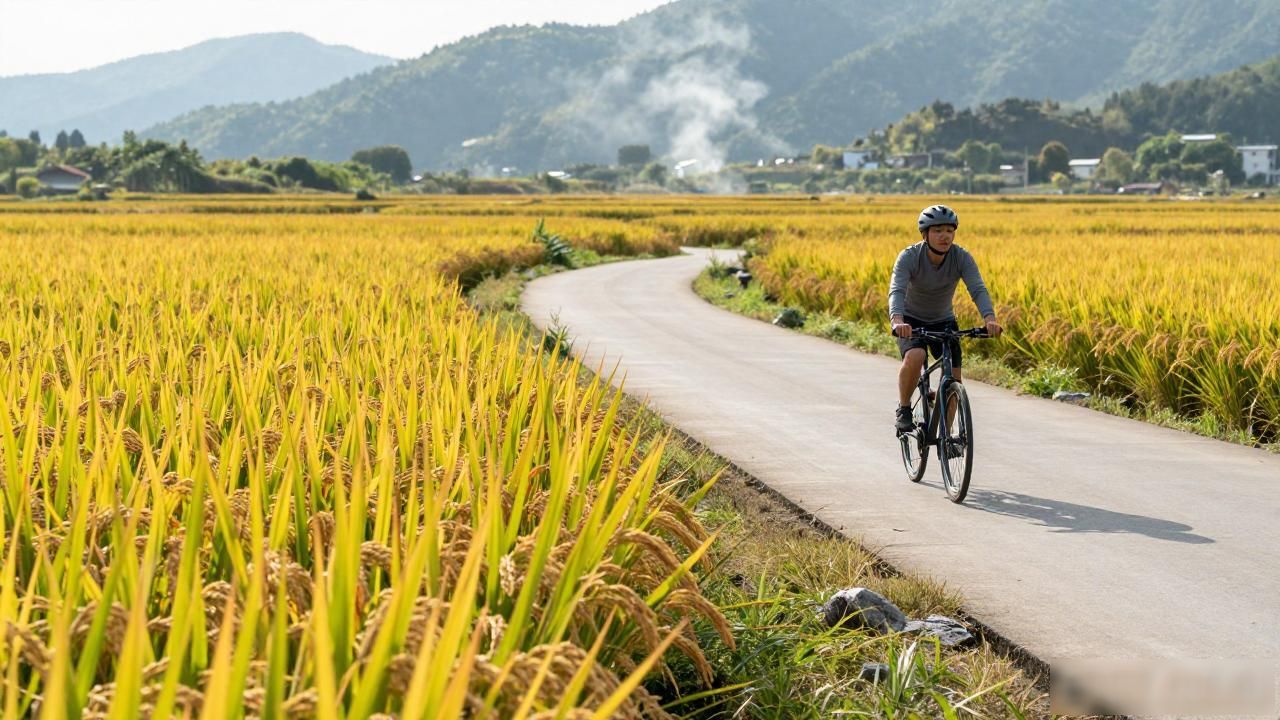
Cycling through China‘s countryside offers an unforgettable blend of breathtaking scenery, rich cultural encounters, and challenging rides. This guide explores the most rewarding rural routes, practical planning tips, and essential safety advice for international cyclists seeking authentic experiences beyond the tourist trail.
What are the best rural China cycling routes?
The Guilin to Yangshuo corridor stands out as an iconic choice. Rolling karst mountains frame terraced rice paddies and quiet villages, with most roads gently paved or compacted gravel. The route covers approximately 80 kilometers and can be completed in two days, allowing ample time to explore hidden caves and local tea houses. This scenic stretch is particularly popular during spring when rapeseed flowers paint the fields yellow.

For those seeking higher altitude challenges, the Sichuan-Tibet border route delivers dramatic landscapes. Riding from Litang to Daocheng involves crossing passes above 4,000 meters, with rugged terrain and sparse services. The journey demands solid fitness and proper acclimatization, but the reward is untouched natural beauty and Tibetan monasteries clinging to cliffsides.
In eastern China, the Jiangnan water town circuit near Suzhou and Hangzhou provides a gentler alternative. Narrow country lanes weave between lotus ponds, silk workshops, and ancient canals. The flat topography suits casual riders, while occasional bridge climbs keep the ride engaging. Local homestays offer affordable lodging and home-cooked meals, adding a personal touch to your journey.
How to plan your rural China cycling routes trip?
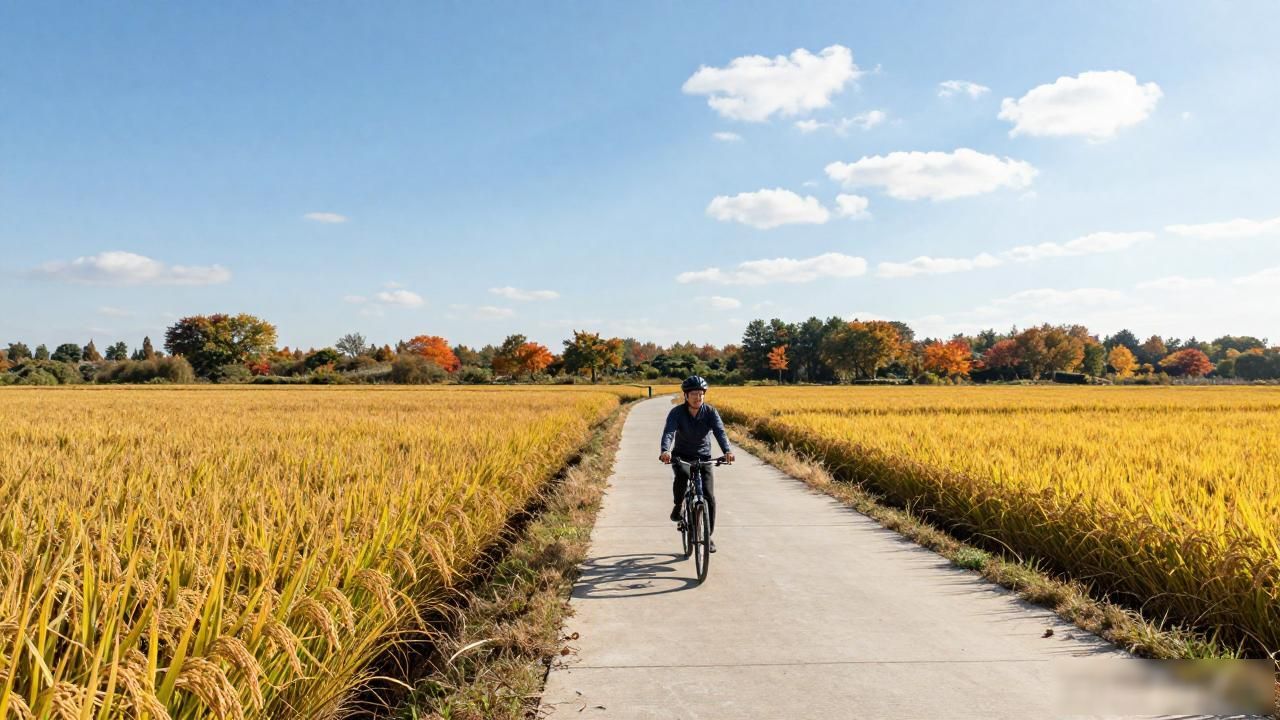
Timing plays a crucial role in your cycling experience. September to November brings mild temperatures and clear skies across most regions, avoiding both summer monsoons and winter cold. Shoulder seasons also mean fewer crowds on popular routes, giving you more solitude amid the landscape.
Securing reliable transportation requires forethought. Urban rental shops carry basic bicycles, but quality varies widely. For remote routes, consider importing a sturdy mountain bike or joining organized tours that provide vehicles and support vans. Always pack repair kits, spare tubes, and a multi-tool, as mechanical assistance can be hours away in remote areas.
Accommodation options range from guesthouses in county towns to farm stays in village homes. Booking platforms show limited listings for rural areas,so direct contact via phone or WeChat often yields better results and lower prices. Carrying a printed list of destinations with addresses in Chinese helps navigate unfamiliar roads and communicates with locals.
Are rural China cycling routes safe for foreigners?
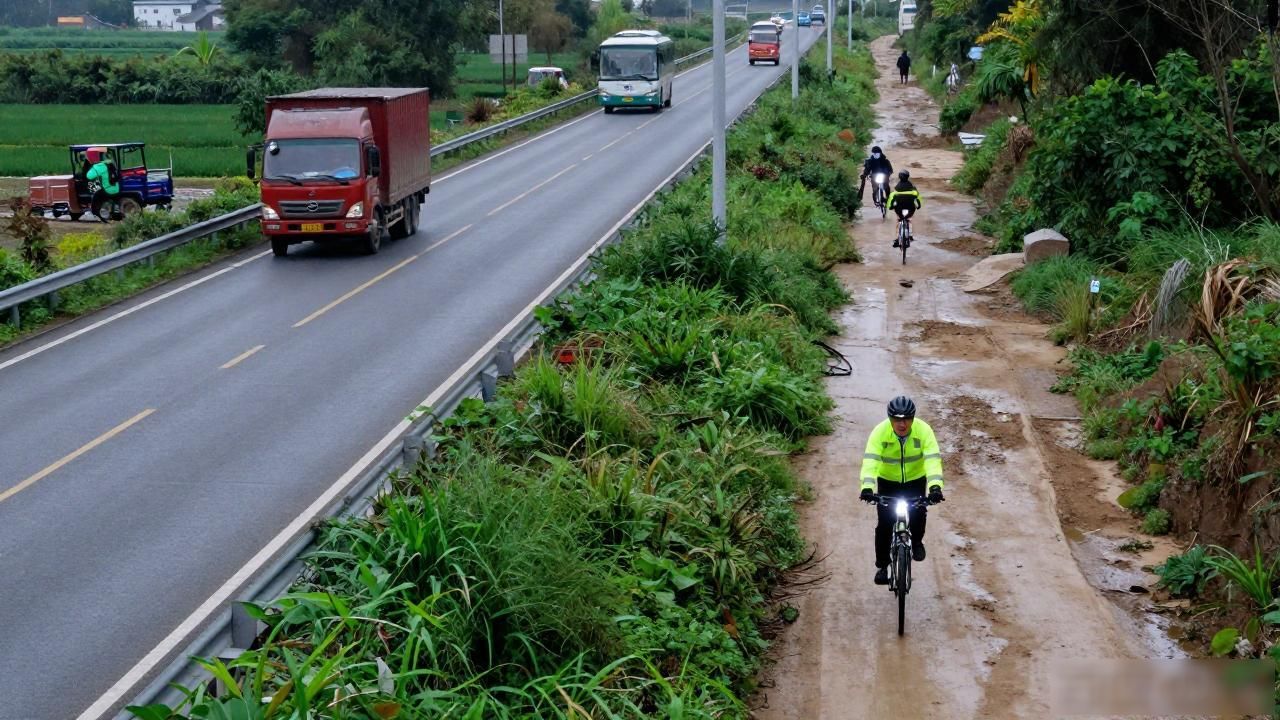
Road conditions differ significantly between regions. Well-maintained provincial highways connect major towns but share space with trucks, buses, and agricultural vehicles. Rural village paths may be narrow, poorly lit, or unpaved after rain. Wearing high-visibility clothing and using front and rear lights improves safety during early morning or evening rides.
Language barriers present another challenge. While younger residents in tourist areas often speak basic English, remote communities may have limited communication skills. Learning essential phrases like “thank you,” “stop,” and “help” shows respect and eases interactions. Carrying a translation app with offline capability proves invaluable for reading signs or asking for directions.
Cultural sensitivity enhances both safety and enjoyment. Dress modestly when passing through religious sites, ask permission before photographing people, and accept offered tea or food graciously. Most rural residents are curious and welcoming toward foreign visitors, and small gestures of kindness often lead to genuine hospitality and unexpected assistance.