
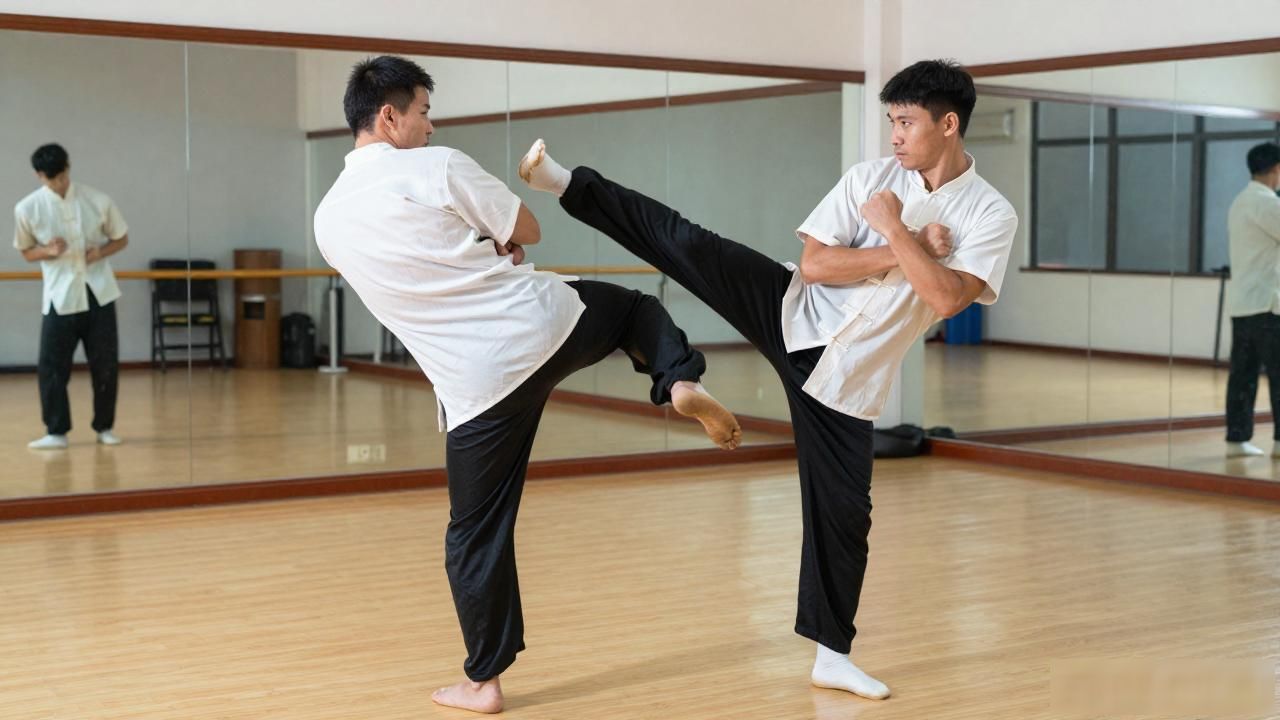
If you’re curious about Chinese martial arts, you’ve probably heard of Kung Fu and Tai Chi. While both come from China’s rich cultural traditions, they serve very different purposes. Kung Fu is often seen as powerful and athletic, while Tai Chi is known for its slow, flowing movements. But that’s just the surface. Understanding their real differences helps you choose which path fits your goals.
What makes Kung Fu more than just fighting
When people think of Chinese Kung Fu, they often picture high kicks,fast punches, and dramatic forms like those in movies. But Kung Fu is much deeper. It’s a complete system of physical fitness, self-defense, and mental discipline. Styles like Shaolin Kung Fu, Wing Chun, and Wushu demand strength, flexibility, and endurance. Practitioners spend years perfecting stances and strikes.

For many foreigners, the appeal of Kung Fu lies in its practical self-defense and athletic challenge. If you’re looking to build real combat skills and get in shape, Kung Fu offers intense workouts. You learn to react quickly, control your body, and develop explosive power. The training can be tough, but the results are visible fast.
Another key point is the cultural immersion. Kung Fu schools in China often teach philosophy, meditation, and even traditional medicine alongside the physical techniques. So it’s not just about fighting; it’s about understanding a way of life. That’s why travelers and fitness enthusiasts alike are drawn to it.
How Tai Chi helps your body and mind without high impact
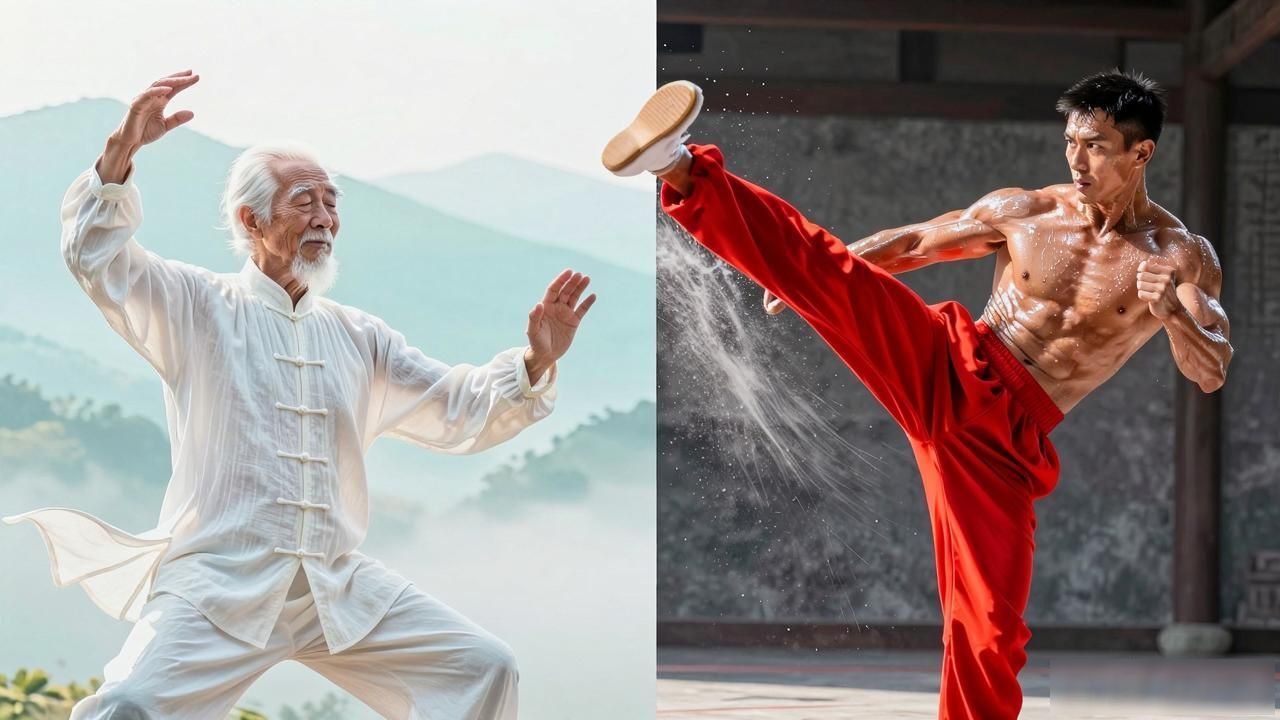
Tai Chi, or Taijiquan, is often described as “meditation in motion.” Its slow, graceful movements are designed to improve balance, flexibility, and internal energy flow. Unlike Kung Fu, Tai Chi emphasizes relaxation and breathing over speed or power. It’s a low-impact practice suitable for all ages and fitness levels.
Many people start Tai Chi to manage stress, chronic pain, or age-related mobility issues. Scientific studies show that regular Tai Chi practice can lower blood pressure, reduce anxiety, and prevent falls in older adults. The movements are gentle on joints, making it ideal for those who can’t handle high-intensity training.
But don’t mistake Tai Chi for “easy.” Mastering the forms requires patience and focus. Advanced practitioners develop subtle but strong internal power, known as Qi. Some styles, like Chen-style Tai Chi, even include explosive movements. So while it looks calm, there’s a rich depth to explore.
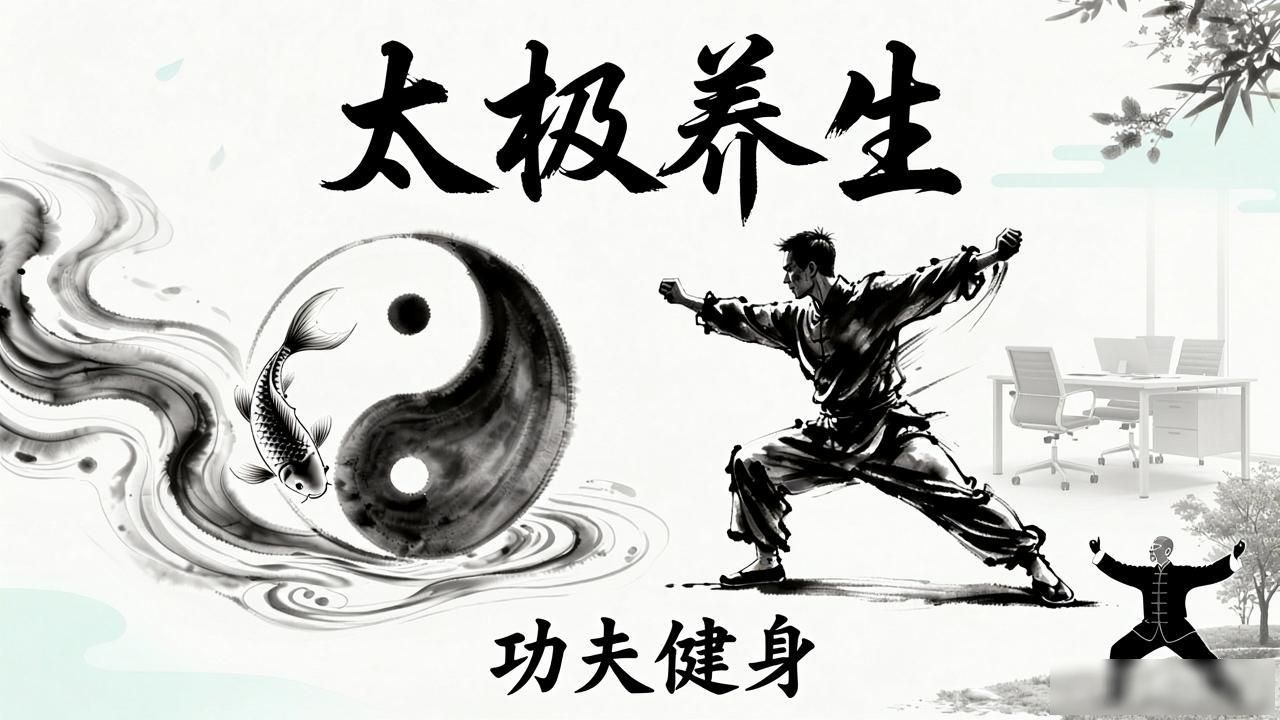
Whether you want to boost your health, find inner peace, or learn a gentle martial art, Tai Chi offers a sustainable path. It’s especially popular among office workers, seniors, and anyone seeking a holistic approach to wellness.
The best choice depends on your personal goals. If you want a dynamic, physically demanding practice that builds strength and self-defense skills, Kung Fu is your match. If you prefer gentle movement, stress relief, and long-term health benefits, Tai Chi will serve you well. Both are authentic gateways into Chinese culture and body-mind harmony. Try a class and feel the difference yourself.