
Chinese culture is vast, and its festivals are the most vivid expression of its traditions. For foreigners, understanding these celebrations is the fastest way to grasp how Chinese people think, value family, and honor their history. This guide focuses on what you will actually see, eat, and do during the major festivals, so you can join in with confidence rather than just watch from the sidelines.
What are the most important Chinese festivals to know
The Spring Festival, or Chinese New Year, is the biggest event of the year. It is not just one day; it lasts about two weeks, and the entire country essentially shuts down. You will see red lanterns everywhere, hear firecrackers, and witness families gathering for reunion dinners. The most important thing to know is that this is a time for homecoming, so trains and flights are packed. If you are in China during this period, expect many shops to close for at least a week, and book your travel well in advance.

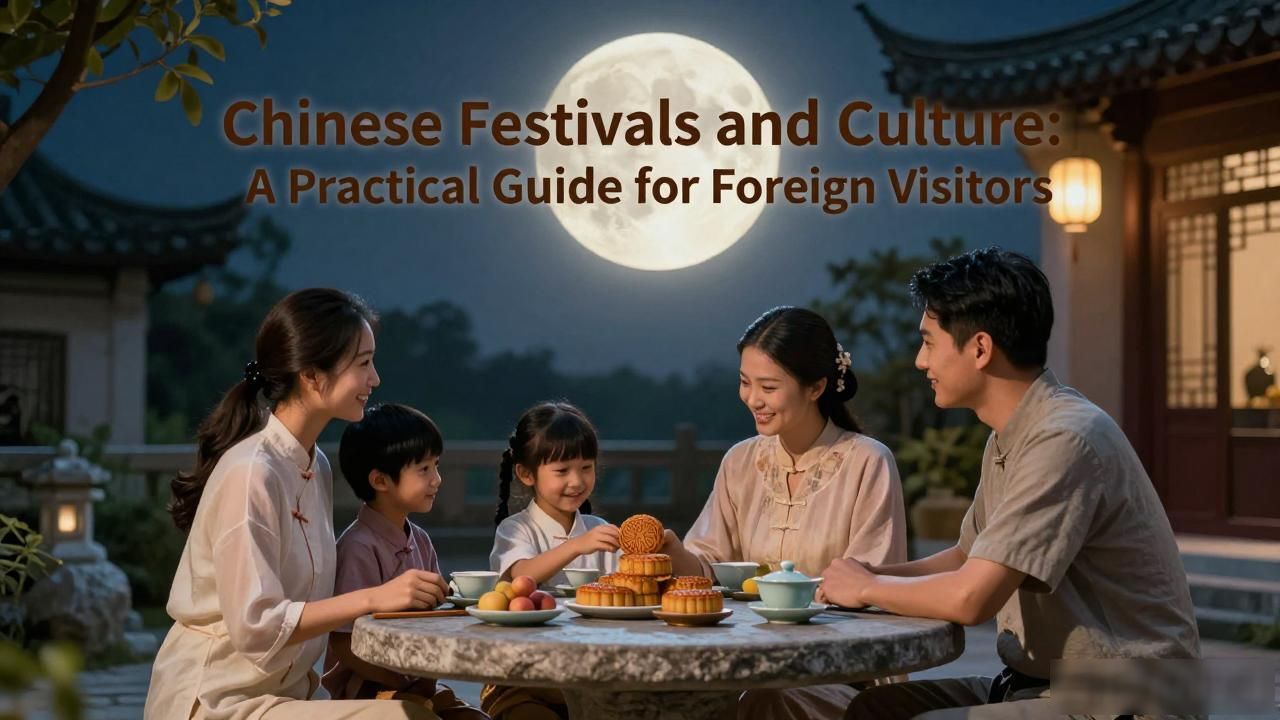
The Mid-Autumn Festival, also known as the Moon Festival, falls in September or October. It is a quieter, more poetic holiday centered on the full moon and family unity. You will see people giving boxes of mooncakes,which are dense pastries filled with lotus paste, red bean, or even salted egg yolk. The festival is about gratitude and togetherness, and it is a great time to try local mooncake varieties, which differ dramatically by region.
How do Chinese festivals reflect deeper cultural values
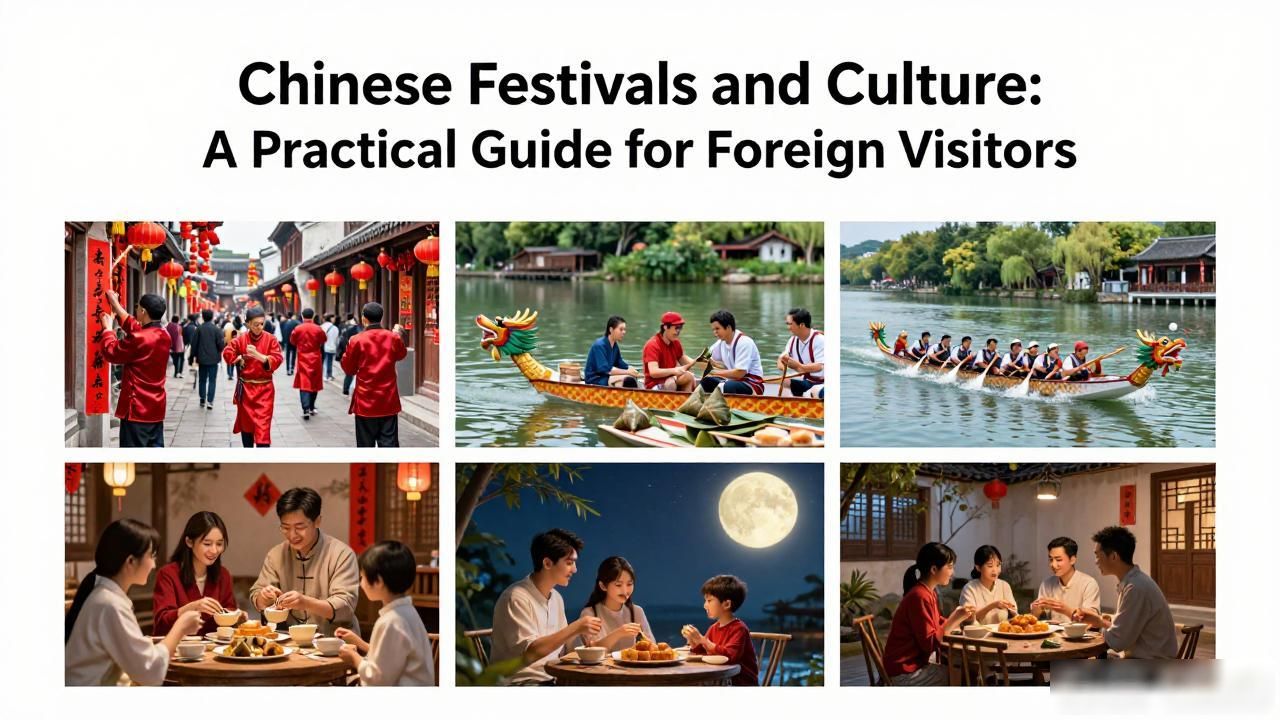
Every festival carries a layer of symbolism that goes beyond the surface celebration. The Dragon Boat Festival, for example, commemorates the ancient poet Qu Yuan. You will see dramatic boat races and eat zongzi, sticky rice wrapped in bamboo leaves. But the deeper meaning is about loyalty and remembrance. Chinese people do not just celebrate for fun; they use festivals to pass down moral stories to the next generation.
The Qingming Festival, or Tomb-Sweeping Day, is another example. It happens in early April, and families visit ancestral graves to clean them and offer food and paper money. For outsiders, this might seem somber, but for Chinese people, it is a joyful act of respect. It shows that the line between the living and the ancestors is thin, and that honoring the past is a daily responsibility, not just a yearly ritual. This is a core difference from many Western holidays, which often separate the sacred from the everyday.
What should foreigners do to join these celebrations properly
Do not be a passive observer. If you are invited to a Chinese home during the Spring Festival, bring a small gift like fruit or tea, and never give clocks or white flowers, as these are associated with funerals. During the Lantern Festival, which ends the New Year period, go outside and watch the lantern displays, but also try tangyuan, sweet glutinous rice balls. Eating them symbolizes family completeness, and it is a simple way to show you understand the culture.
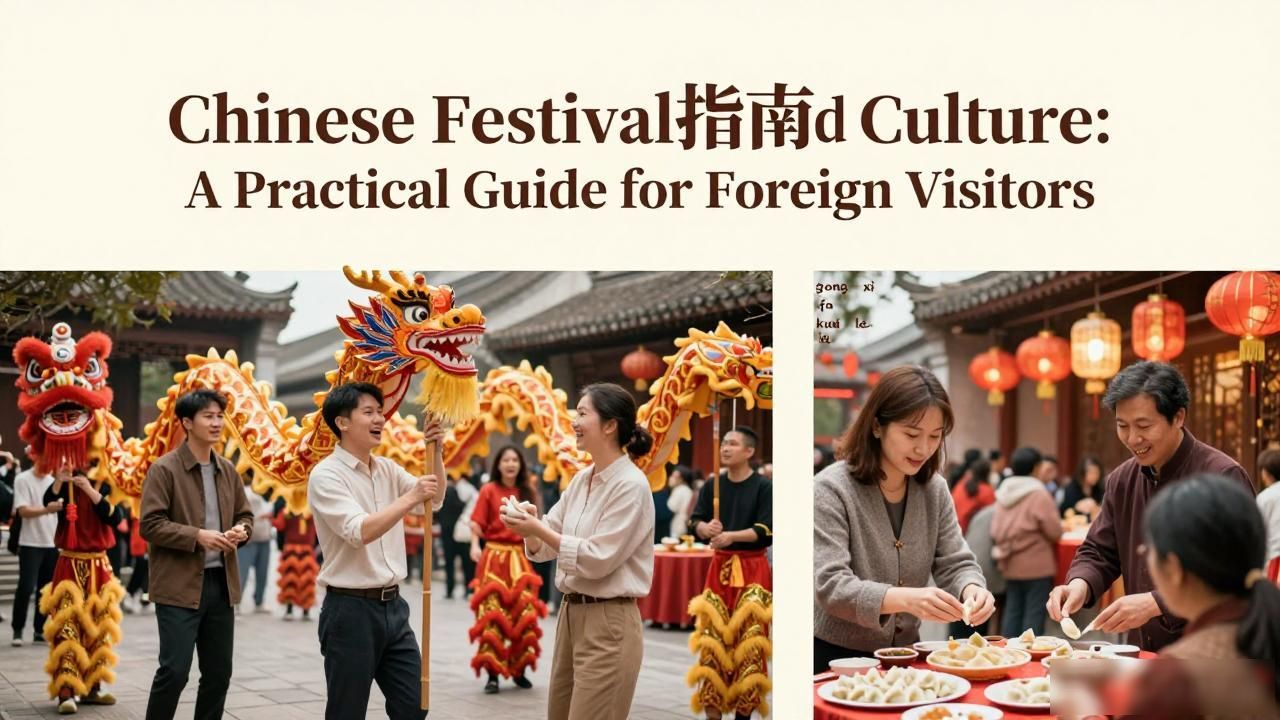
When you attend a festival, dress modestly and avoid wearing all black or white, which are mourning colors. Learn a few phrases like “gong xi fa cai” for New Year or “zhong qiu kuai le” for the Moon Festival. Locals will appreciate the effort, and it opens doors to deeper conversations. The key is to participate with humility, not to lecture or compare. Ask questions about why certain foods are eaten or why certain colors are used, and you will find that Chinese people love explaining their traditions.
Festivals in China are not just holidays; they are a living textbook of history, ethics, and social bonds. By showing up, eating the food, and asking sincere questions, you move from being a tourist to being a guest. That shift in status is what makes the experience unforgettable. So mark your calendar, learn a few greetings, and get ready to eat more than you thought possible.