
I have been traveling to China for business and leisure for over a decade. The visa-free policies that China introduced during and after the pandemic were a game-changer. They made spontaneous trips possible and removed a major barrier for millions of visitors. But things have shifted. If you are planning to visit China soon, you need to understand what has changed and how to navigate the new requirements.
Does China still offer visa free entry
The short answer is no, not in the way it used to. China has systematically rolled back most of its temporary visa-free arrangements. The broad visa-free transit programs that allowed travelers to stay up to 144 hours without a visa have been restricted to specific nationalities and ports of entry. Most foreign visitors now need a visa before arrival.

Some countries still enjoy limited visa-free access. Citizens of Singapore, Brunei, and Japan can visit China for up to 15 days without a visa under certain conditions. A handful of other nations have bilateral agreements that allow short stays. But these exceptions are narrow and constantly under review. If your country is not on the list, assume you will need a visa.
The cancellation of visa-free entry has been gradual rather than sudden. China kept some policies in place during the pandemic to encourage essential travel. Once domestic conditions stabilized,the government began tightening border controls. This was part of a broader strategy to manage immigration flows and ensure security.
How to get a China visa now
Getting a Chinese visa is straightforward if you plan ahead. The process involves submitting an application through the Chinese embassy or consulate in your country. You will need a valid passport, a completed application form, a recent photo, and supporting documents such as an invitation letter or travel itinerary.
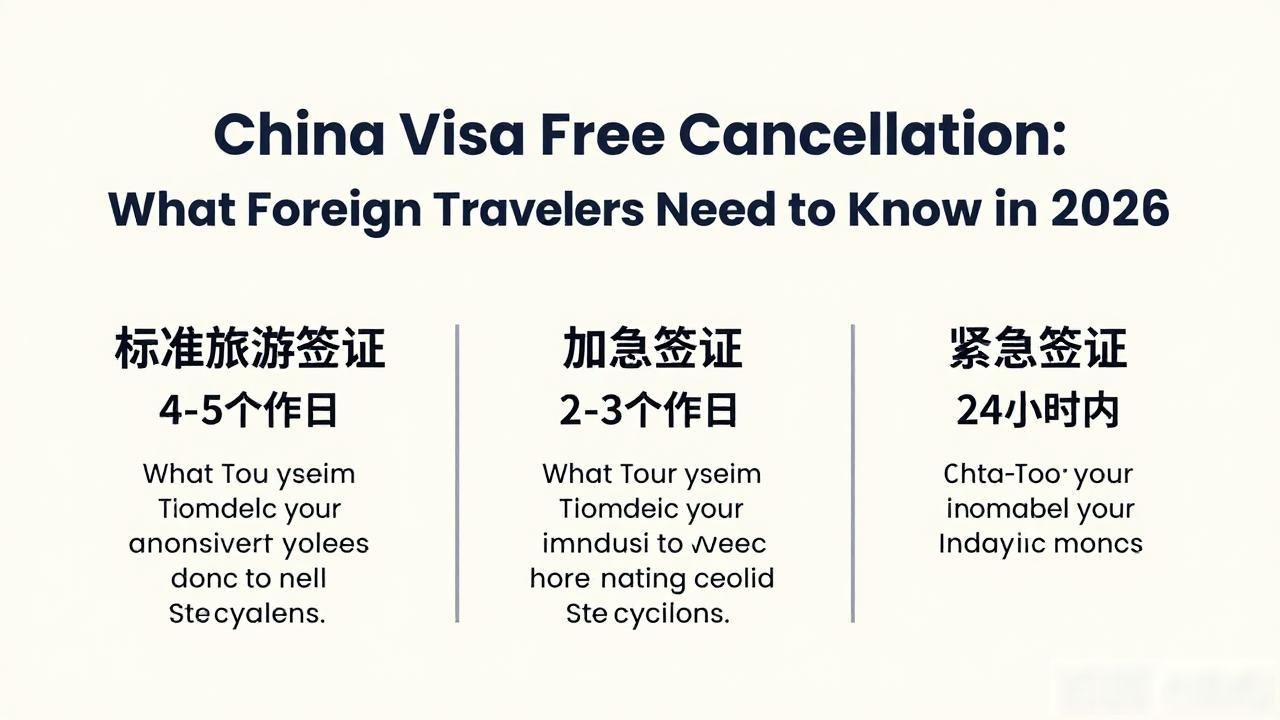
Processing times vary depending on the embassy and the type of visa. A standard tourist visa typically takes four to five business days. Express processing is available for an additional fee and can deliver results in two to three days. Emergency visas may be issued within 24 hours in urgent situations.
There are several visa categories to consider. The L visa is for tourism, the M visa covers business activities, and the Z visa is for work. Each has specific document requirements. Tourist visas usually require proof of accommodation and flight bookings. Business visas need an invitation from a Chinese company. Make sure you apply for the correct category to avoid delays or rejection.
What changed and why it matters
The cancellation of visa-free entry reflects China’s return to pre-pandemic border management practices. The temporary policies were always meant to be short-term measures. They were introduced to support essential travel and maintain some level of international connectivity during a difficult period. Now that normal operations have resumed, China has aligned its visa policies with standard international practice.
For travelers, this means less flexibility and more planning required. You cannot simply show up at the airport and expect to enter without a visa. Always check the latest requirements before booking your trip. Visa policies can change with little notice, and relying on outdated information can result in denied boarding or entry.
The impact on tourism has been significant. China welcomed over 130 million international visitors before the pandemic. The visa-free policies helped boost numbers during 2023 and 2024. With their cancellation, some travelers may reconsider their plans or choose alternative destinations. However, China remains a popular destination for business and cultural exchange, and the visa process is manageable for those who prepare properly.
If you are planning a trip to China, start the visa application early. Gather all required documents carefully. Double-check the eligibility requirements for your nationality. And stay informed about any policy updates that may affect your travel plans. The rules have changed, but with the right preparation, visiting China is still very achievable.