
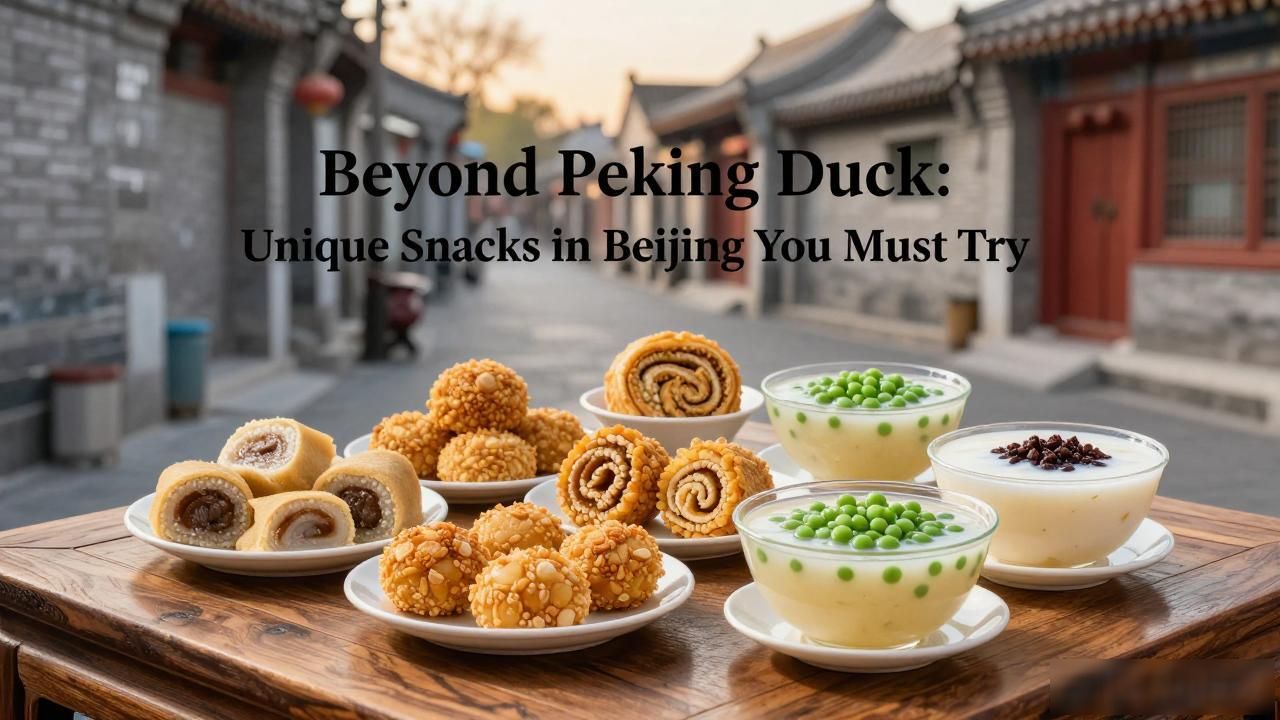
Beijing is often defined by its imperial history and the world-famous Peking duck, but the city’s true culinary soul lies in its street-level diversity. As a long-time resident who has spent years navigating the hutongs, I’ve learned that the most memorable flavors aren’t found in five-star restaurants, but in small, steaming stalls where locals line up before dawn. This guide cuts through the tourist traps to highlight authentic, unique snacks that define Beijing’s gastronomic identity. These treats offer a direct connection to the city’s culture, blending traditional techniques with bold, sometimes surprising, flavor profiles that challenge the Western palate but reward the adventurous eater.
What are the best savory street snacks in Beijing?

Tanghulu is perhaps the most visually striking snack, consisting of fruits like hawthorn berries, grapes, or strawberries skewered on bamboo sticks and coated in a hard,crystal-clear sugar shell. The experience is all about the contrast: the initial crunch of the brittle sugar gives way to the tart, juicy fruit inside. While traditional versions use hawthorn, modern vendors have experimented with cheese-filled hawlthorn or even chocolate-dipped varieties. It is a simple dessert that captures the essence of Beijing’s winter markets, offering a sweet-and-sour burst that is both refreshing and addictive.
Another staple is Jianbing, a savory crepe that serves as Beijing’s answer to breakfast. Unlike its southern counterparts, the Beijing version is thicker and crispier. The batter is spread on a large griddle, topped with a cracked egg, cilantro, scallions, and hoisin sauce, then folded around a crispy cracker known as baocui or a fried dough stick (youtiao). The texture is complex—soft and chewy from the crepe, crunchy from the filling, and savory from the sauces. Eating it hot off the grill while walking through a morning market is a quintessential local ritual that no visitor should miss.
Where can I find traditional snacks in Beijing?
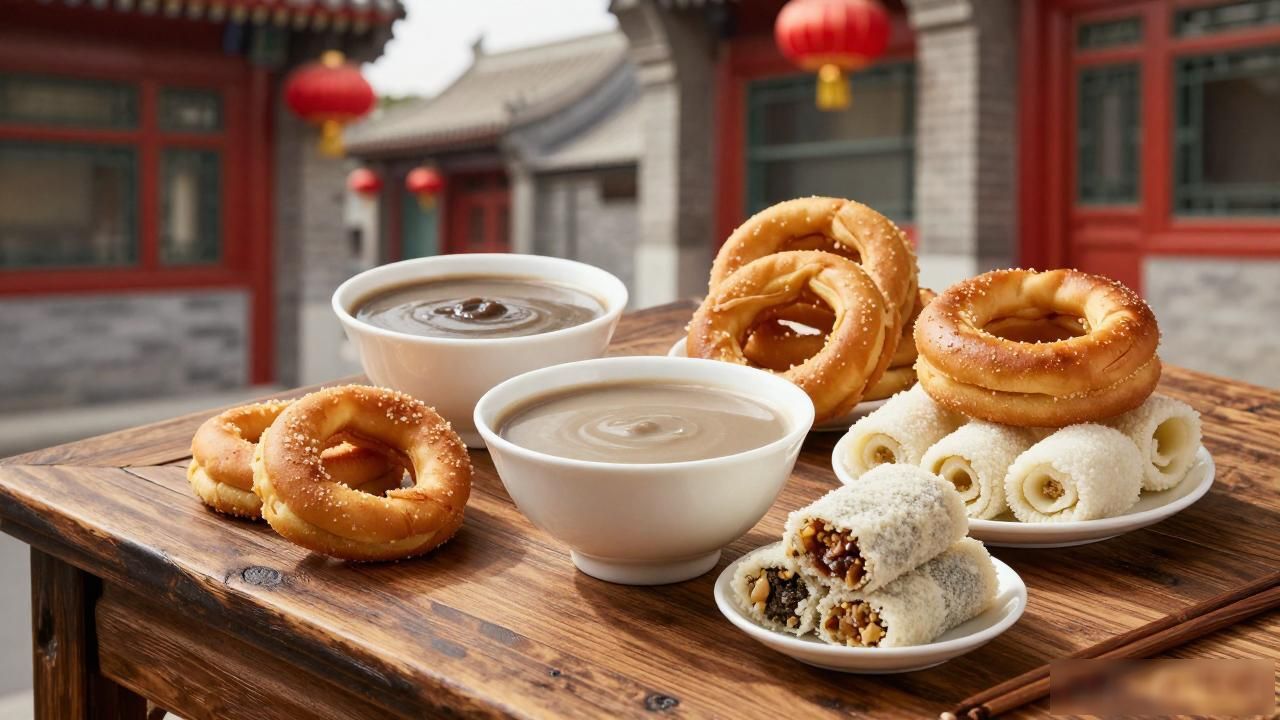
Douzhi, or mung bean milk, is an acquired taste that separates the curious from the casual tourist. It is a fermented liquid made from mung beans, often described as having a sour, cheesy aroma that can be overpowering. Despite its intimidating smell, it is considered a health food by locals, believed to aid digestion. It is traditionally served with jiaoquan (fried dough rings) and pickled vegetables. Drinking it requires confidence, but the salty, tangy broth paired with the crunchy, oily dough creates a unique combination that has sustained Beijingers for centuries.
Luanguo, or cold jelly noodles, offers a refreshing alternative during Beijing’s hot summers. Made from mung bean starch, these translucent noodles are served cold with a dressing of garlic, vinegar, chili oil, and cilantro. The texture is slippery and firm, absorbing the flavors of the sauce beautifully. It is a light meal that provides relief from the heat and greasiness of other heavy dishes. Street vendors often sell these in small plastic bowls, making them an easy, affordable option for a quick lunch or snack while exploring the city’s bustling neighborhoods.