
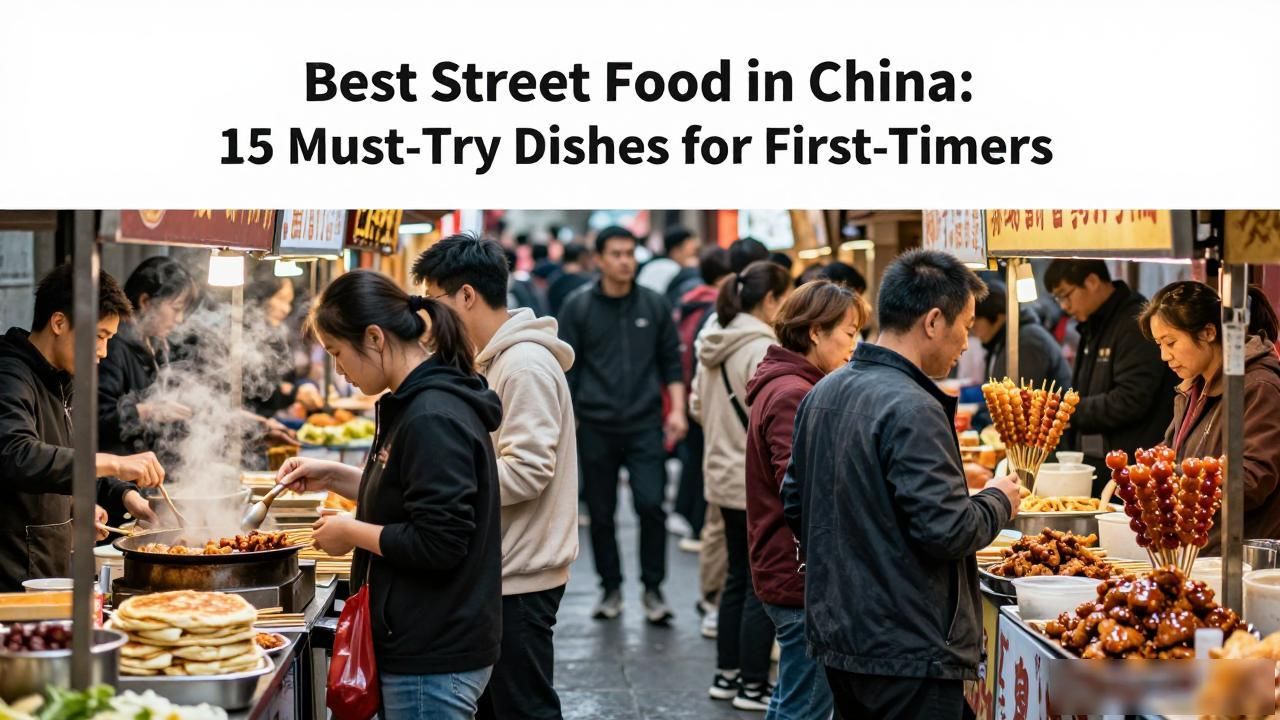
China‘s street food scene is overwhelming in the best possible way. Every alley, night market, and busy intersection offers something sizzling, fragrant, and completely unfamiliar to most foreign visitors. If you are planning a trip and want to eat like a local without getting lost in translation, this guide covers the essential dishes you should not miss.
What Street Food Should I Try in China
Start with jianbing, the legendary breakfast crepe that vendors flip on round griddles across the country. A thin layer of batter gets spread thin, topped with an egg, sprinkled with scallions and cilantro, brushed with sweet bean sauce and chili paste, then folded around a crispy fried cracker. It costs about 15 yuan, it fills you up for hours, and watching the vendor work is half the fun.
You also need to try chuan’r,the skewered meats grilled over charcoal. Lamb is the classic choice, seasoned with cumin and chili powder that cling to every bite. Vendors fan the flames, the fat drips and smokes, and the edges turn crispy while the inside stays juicy. Order ten skewers at a time because you will want more.
For something soupy, hunt down a bowl of lamian noodles pulled fresh in front of you. The noodle master stretches, twists, and slaps the dough until it becomes long strands, then drops them into boiling broth. The soup is rich, the noodles are chewy, and you can add chili oil and vinegar to make it your own.
How to Eat Street Food Safely in China

The biggest worry for most foreigners is getting sick. The truth is that street food in China is generally safe if you follow a few simple rules. Look for stalls with high turnover—places where locals line up and food moves fast. That means ingredients are fresh and nothing sits around for hours.
Watch how the vendor handles food. Are they using gloves or chopsticks to pick up items? Is the cooking surface clean? Do they keep raw and cooked foods separate? Trust your eyes. If something looks off, walk to the next stall. There is always another option nearby.
Go for items cooked at high heat right in front of you. Grilled skewers, stir-fried noodles, and freshly boiled dumplings are safer bets than raw salads or peeled fruit that has been sitting out. Drink bottled water or tea instead of tap water, and carry hand sanitizer for before you eat.
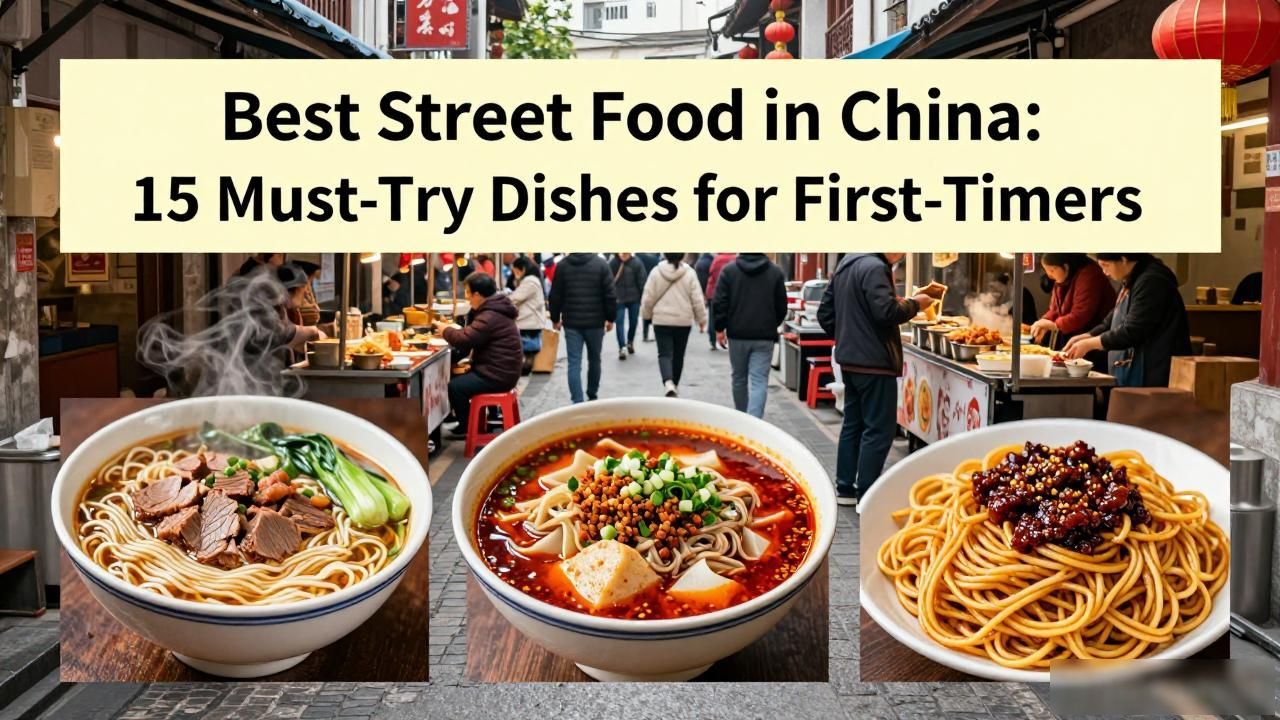
A good rule is to eat where the crowds are. Night markets like Wangfujing in Beijing or Shuijie in Chengdu have dozens of stalls packed together. Follow the flow of people, try small portions from multiple places, and you will experience more variety without overloading your stomach.
The beauty of Chinese street food is that it is cheap, fast, and deeply regional. What you eat in Xi’an will taste completely different from what you find in Guangzhou. Do not overplan. Walk, smell, point at what looks good, and let the vendors take care of you. Your taste buds will thank you.