
China is a vast country with a staggering variety of landscapes, cultures, and histories. For a first-time visitor, the hardest part isn’t finding something to do—it’s narrowing down the endless options. From ancient wonders to futuristic cities, here’s a grounded look at where you should actually go.
What’s the single most iconic place to see in China

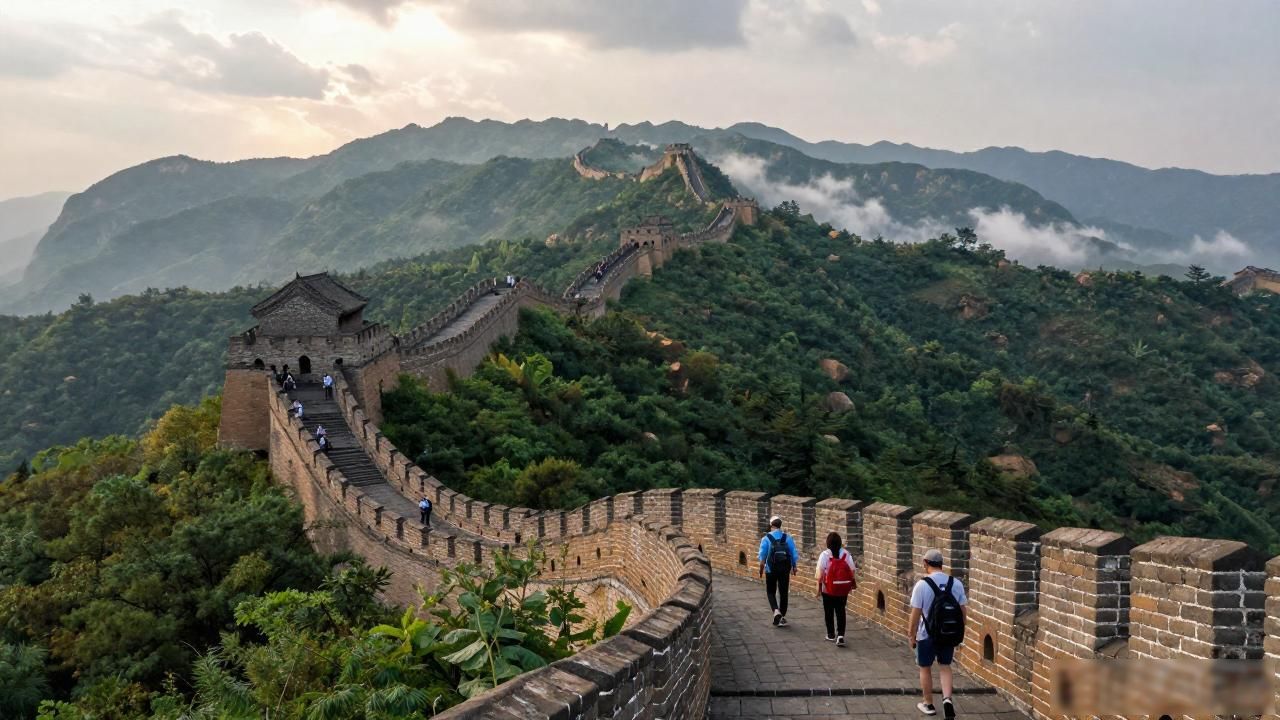
The Great Wall is not just a cliché—it’s a genuine marvel. The most visited section near Beijing is Badaling, but if you want fewer crowds and more authentic scenery, head to Mutianyu. You can hike for hours and still feel like you’re walking through a painting. The wall stretches over 13,000 miles, so even a short walk gives you a taste of its sheer scale. Bring good shoes, water, and a camera. The views in autumn are unreal, with red and gold leaves covering the hills.
Which cities offer a mix of old and new China
Beijing is the obvious starting point. The Forbidden City alone can take half a day, but don’t skip the Temple of Heaven or the hutongs—narrow alleys where locals still live in traditional courtyard homes. Then there’s Shanghai, a city that feels like the future. The Pudong skyline is jaw-dropping at night, but the real charm lies in the Bund’s colonial buildings and the French Concession’s tree-lined streets. If you want a quieter vibe, Hangzhou is just an hour away by train. Its West Lake is a UNESCO site, and you can rent a boat or just stroll through tea plantations.
What natural wonders shouldn’t be missed
Guilin and Yangshuo are China’s postcard landscapes. The karst limestone peaks rising from the Li River are surreal. A bamboo raft ride is the best way to see them, but cycling through rice paddies in Yangshuo is equally rewarding. Further south, Zhangjiajie National Forest Park inspired the floating mountains in the movie Avatar. The glass-bottom bridge there is not for the faint-hearted, but the sheer cliffs and misty valleys are unforgettable. For something quieter, Jiuzhaigou Valley in Sichuan has turquoise lakes and waterfalls that look photoshopped.
How do you plan a trip that covers these spots smoothly

China’s high-speed rail system makes it easy to connect major cities. Beijing to Shanghai takes about four and a half hours. From Shanghai, you can take a train to Hangzhou in under an hour. For natural sites like Zhangjiajie, fly from Shanghai or Beijing directly. Guilin has its own airport too. Don’t try to pack everything into one week—pick two or three regions. Visa processing takes time, so apply at least a month ahead. Learn a few basic Mandarin phrases like “thank you” and “how much.” English is not widely spoken outside tourist hubs, but translation apps work well. Cash is still king in smaller towns, so keep some yuan on hand.
China rewards travelers who slow down. Whether you’re eating street food in Xi’an or watching sunrise over the Great Wall, the experience will stick with you long after you leave.