

Yunnan is one of China’s most visually stunning provinces, known for its dramatic landscapes, diverse climates, and rich biodiversity. When people talk about Yunnan natural scenery travel, they often imagine towering snow-capped mountains, deep gorges, ancient rice terraces, and lush tropical forests. This article will help you understand what makes Yunnan’s natural beauty so special and where to go for the best experiences.
What makes Yunnan’s natural landscapes so unique
Yunnan sits on the edge of the Tibetan Plateau, which gives it a huge range of altitudes and climates. In the north,you find the famous Jade Dragon Snow Mountain near Lijiang, a massive peak that stays snowy year-round. Not far from there, the Tiger Leaping Gorge offers some of the deepest and most dramatic canyon views in the world. Hiking through this gorge is a must for anyone serious about Yunnan natural scenery travel.

Moving south, the landscape shifts completely. Around Yuanyang, you’ll see the Hani Rice Terraces, carved into hillsides over a thousand years ago. These terraces reflect the sky and change color with the seasons, especially stunning at sunrise or sunset. Further south near Xishuangbanna, the terrain becomes tropical, with rainforests, rubber plantations, and wild elephants. This variety is rare even in China, and it’s why Yunnan draws so many nature lovers.
The weather also plays a big role. Because Yunnan has both highlands and lowlands, you can experience cool mountain air in one spot and warm humid jungle in another within a single trip. This means you can plan a Yunnan natural scenery travel route that covers completely different ecosystems without traveling too far.
How to plan a Yunnan nature trip for first-time visitors
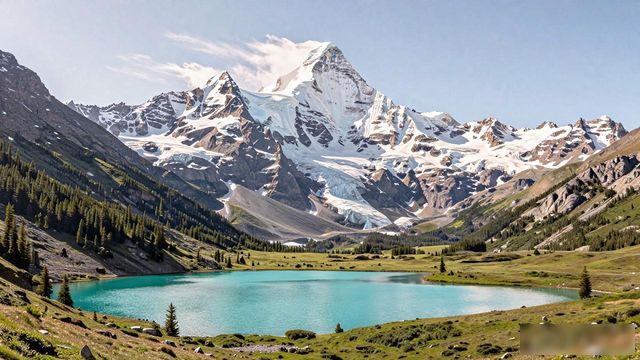
If you’re visiting Yunnan for the first time and want to focus on natural scenery, you should start in Lijiang. This city is a good base for the Jade Dragon Snow Mountain and the nearby Blue Moon Valley. The water there is a striking turquoise color, fed by glacial melt. From Lijiang, you can take a bus or join a tour to Tiger Leaping Gorge, which is about two hours away by car.
After that, head south to Dali. The Erhai Lake is a great spot for cycling or walking along the shoreline. The Cangshan Mountains behind the lake offer hiking trails through forests and past waterfalls. Many travelers spend a few days here just enjoying the slower pace and the mountain views.
For something more remote, go to Yuanyang. The rice terraces there are best visited between November and April when the fields are flooded with water. Bring warm clothes because mornings can be cold, but the sunrise over the terraces is worth it. If you have extra time, Xishuangbanna is a great addition for tropical scenery, but it’s far south and requires a separate flight or long drive.

A solid Yunnan natural scenery travel itinerary should allow at least 10 to 14 days to cover the highlights without rushing. Public buses are affordable, but renting a car with a driver gives you more flexibility to stop at scenic spots along the way.
Yunnan offers some of the most varied and beautiful natural landscapes in Asia. Whether you’re hiking a gorge, watching sunrise over rice terraces, or cycling beside a lake, the province rewards travelers who take the time to explore its wild side.
online Neues Casino Cashback Bonus
direkt spielen