
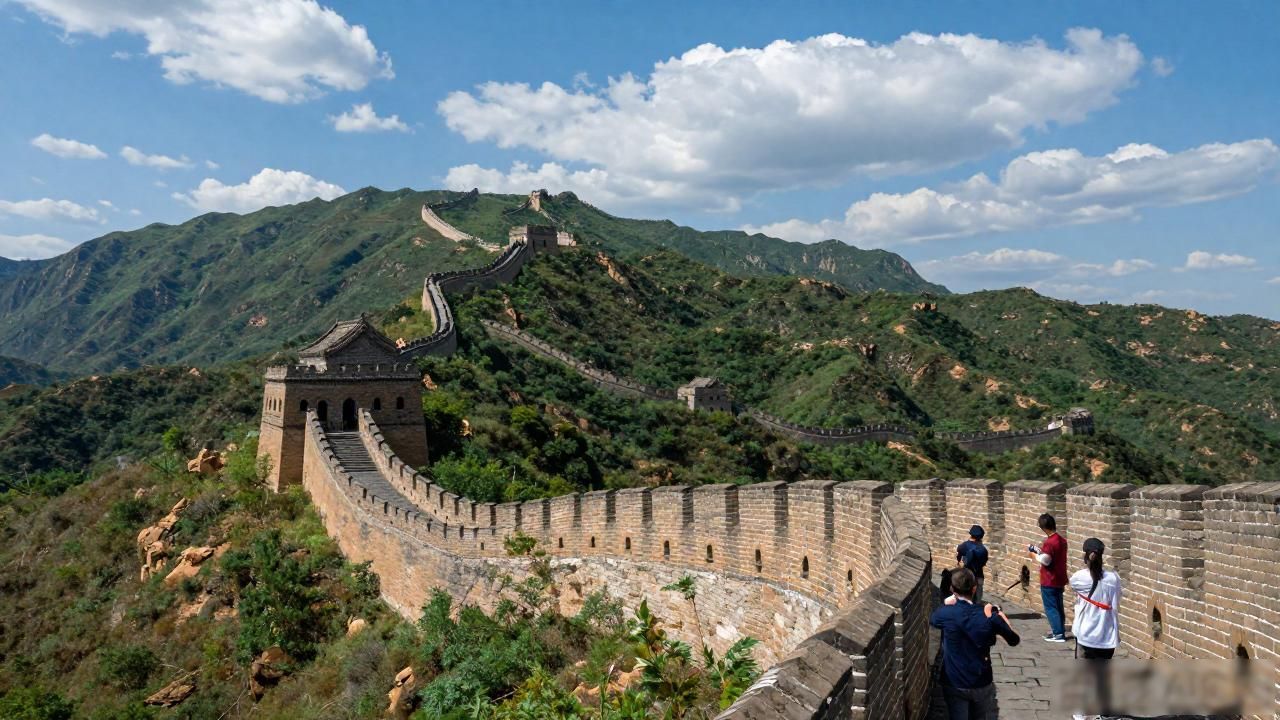
When people think of China, they often picture skyscrapers and busy cities. But beneath the modern surface lies a deep history, carved into stone walls, painted on temple ceilings, and buried under centuries of earth. Historical sites in China are not just old buildings—they are windows into dynasties, philosophies, and everyday life from thousands of years ago. From the Great Wall to hidden Buddhist caves, these places tell stories that still shape how China feels today.
What makes the Great Wall worth visiting

The Great Wall is not just a single wall. It is a series of fortifications built over many dynasties, stretching more than 13,000 miles. Most travelers go to sections near Beijing, like Mutianyu or Badaling. But if you want fewer crowds and more raw history, try the Jiankou section. It is steep, broken in places, and overgrown with wild trees. Walking there feels real—you can see the original stones, the watchtowers left to weather, and the mountain ridges that the builders followed. The Wall is not just about defense. It shows how ancient China connected its borders, moved soldiers, and controlled trade routes. Standing on it, you understand why it is one of the most iconic historical sites in China.
Why the Terracotta Army still shocks visitors
The Terracotta Army in Xi’an is another must-see. Farmers digging a well in 1974 accidentally uncovered an entire underground army. Now,three pits hold over 8,000 life-sized soldiers, each with a different face. No two are alike. They were buried with the first Emperor of China, Qin Shihuang, to protect him in the afterlife. The scale is hard to grasp until you stand in the hangar-like building and look down at rows of clay warriors, horses, and chariots. What makes this site special is that it is still being excavated. Archaeologists work slowly, brushing away dirt from weapons and armor. Visitors can watch them work. It feels like history is still unfolding.
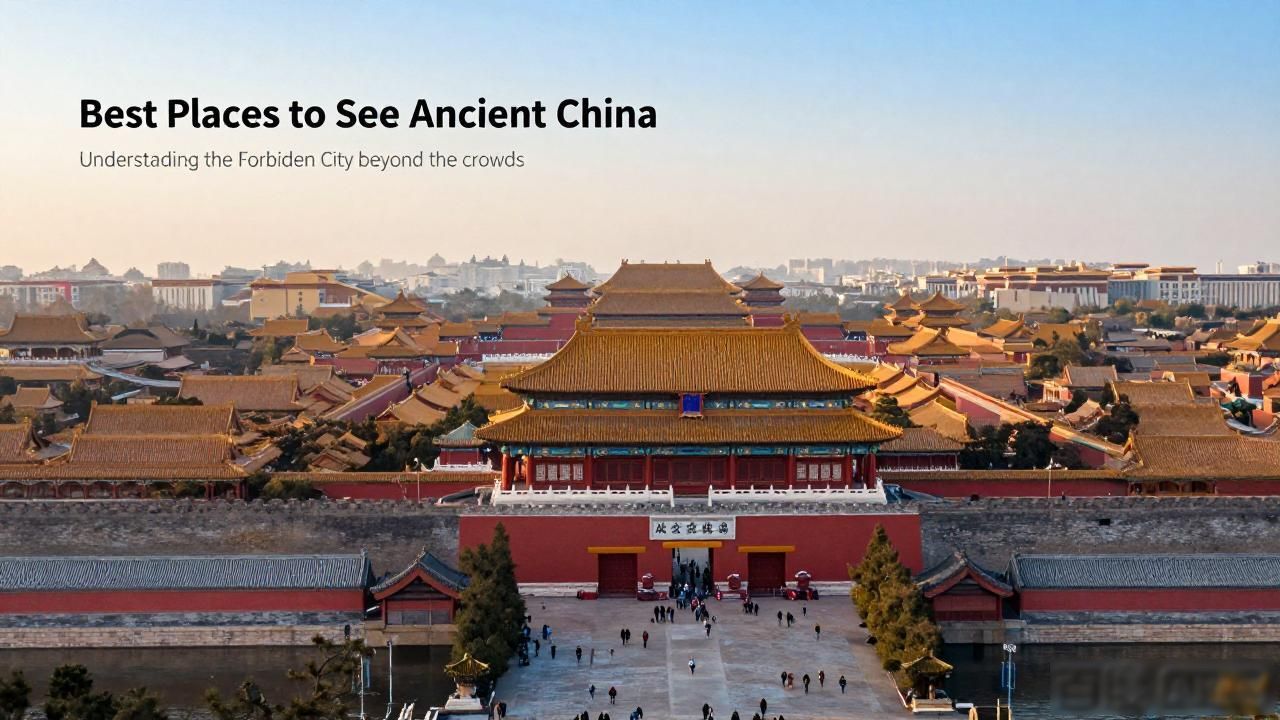
Understanding the Forbidden City beyond the crowds
The Forbidden City in Beijing is more than a palace. It was the political and ceremonial center of China for almost 500 years. Walking through its gates, you enter a world of strict rules and hidden power. The complex has 980 buildings, but the key is to focus on the main central axis—the Hall of Supreme Harmony, the Palace of Heavenly Purity, and the Imperial Garden. These buildings show how the emperor positioned himself as the Son of Heaven. The colors matter too. Yellow tiles were reserved for the emperor. Red walls symbolized good fortune. If you visit early in the morning, before the tour groups flood in, you can almost hear the silence of centuries.
How ancient temples reveal Chinese beliefs
Beyond imperial sites, China has thousands of ancient temples. The Shaolin Temple in Henan is famous for martial arts, but it is also a living Buddhist monastery. Monks still chant, meditate, and train. The Longmen Grottoes near Luoyang hold tens of thousands of Buddhist statues carved into limestone cliffs. Some are tiny, some are 50 feet tall. They were made over 400 years, starting in the Northern Wei dynasty. These places show how religion shaped art, architecture, and daily life. Unlike museums, these sites are still used for worship. You can see incense burning, hear prayers, and watch locals bow before ancient statues.
There is no shortage of historical sites in China. Each one reveals a different layer of a civilization that never stopped changing. Whether you stand on a crumbling section of the Great Wall or walk through the silent corridors of the Forbidden City, you are stepping into a story that is still being written—and you become part of it.