

Hangzhou is one of those rare cities where ancient poetry meets modern city life. I have traveled there many times, and every visit leaves me with a deeper appreciation for its lakes, temples, and tea fields. For any foreign visitor, Hangzhou offers a perfect mix of natural beauty, historical depth,and local culture. This article will walk you through the essential sights, practical tips, and hidden gems that make Hangzhou a must-visit destination in China.
What Are the Must-See Hangzhou Tourist Attractions for First Timers
If you only have two or three days in Hangzhou, you need to prioritize. The West Lake is the obvious starting point, not just because it is famous, but because it genuinely deserves the hype. Rent a bike or take a boat ride across the lake early in the morning when the mist still hangs over the water. The Ten Scenes of West Lake are scattered around the shoreline, but you do not need to check off every single one. Instead, walk from Broken Bridge to Su Causeway and let the scenery speak for itself.

Lingyin Temple is another essential stop. It is one of the largest and wealthiest Buddhist temples in China, tucked into a forested valley. The stone carvings on Feilai Feng hill behind the temple are over a thousand years old. I remember standing there, looking at the weathered Buddha faces, and feeling a strange sense of calm. Go early to avoid the crowds, and do not skip the nearby Yongfu Temple, which is quieter and offers a better view of the surrounding hills.
The Grand Canal area is often overlooked by international tourists, but it is worth your time. Take a short boat ride along the canal, then wander through the old neighborhoods around Gongchen Bridge. This is where you see the working side of Hangzhou, away from the polished lakefront. The canal-side museums, like the China Knife Scissors and Umbrella Museum, are surprisingly engaging and free to enter.
How Many Days Do You Need to Explore Hangzhou Tourist Attractions Properly
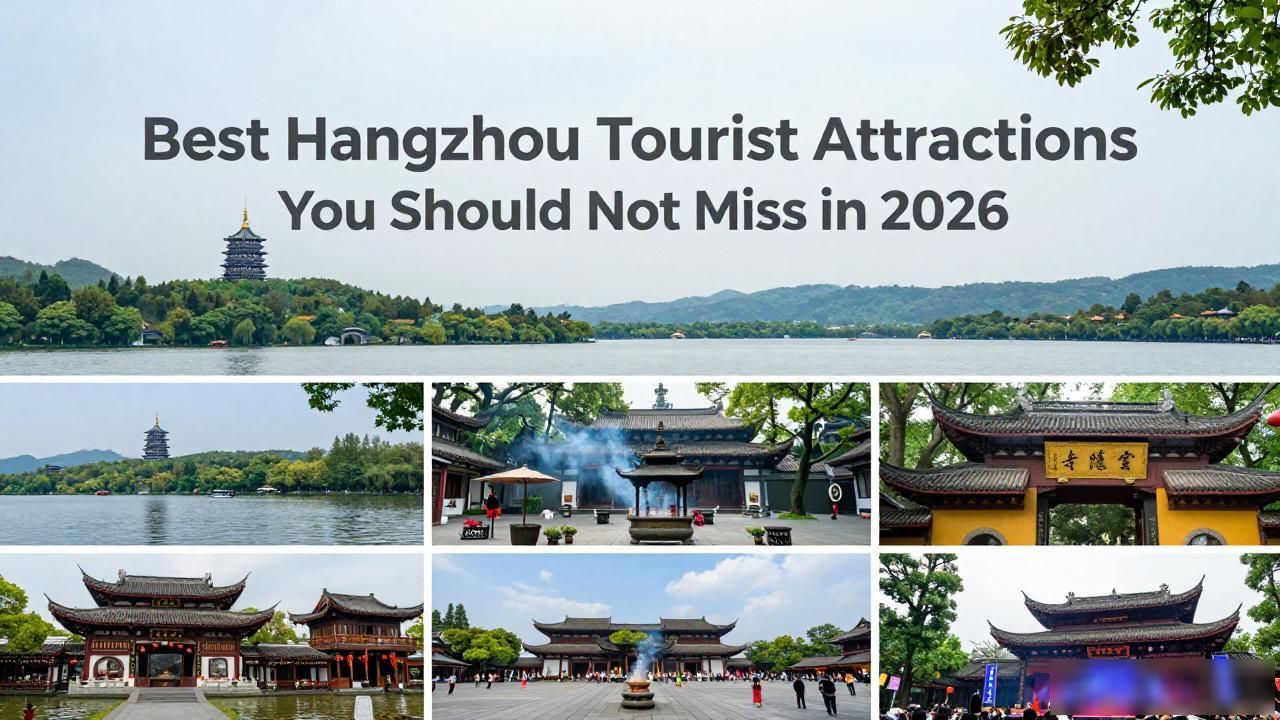
Three days is the sweet spot for most travelers. On day one, focus entirely on West Lake, including the Leifeng Pagoda and the Zhejiang Museum. Day two should be reserved for the temple area and the tea plantations in Longjing Village. The village is about thirty minutes from the city center by taxi, and the walk through the terraced tea fields is unforgettable. Stop at a local farmhouse for a cup of fresh Longjing tea, and you will understand why this region is so proud of its tea culture.
On day three, take a day trip to the Xixi Wetland, which is a vast network of waterways and reeds just west of the city. It is a completely different vibe from the lake, more wild and quiet. The boat tour takes about an hour and a half, and you can hop off at various points to walk along the boardwalks. If you have extra time, the Song Dynasty Town theme park is a bit kitschy, but it does offer a fun glimpse into ancient Chinese street life.
For those with more time, consider a trip to the nearby water towns like Wuzhen or Xitang. They are each about an hour away by bus or car. These towns are famous for their canals, stone bridges, and preserved Ming and Qing architecture. They can get crowded during weekends, so try to visit on a weekday if possible.
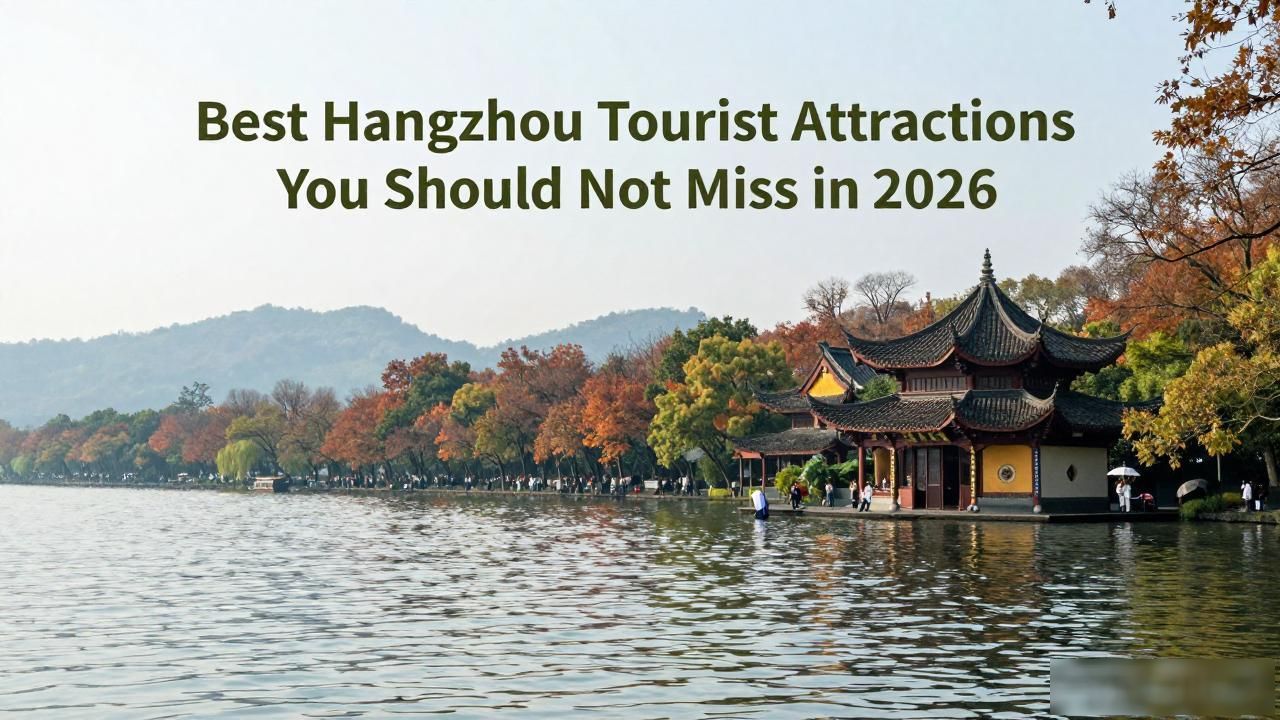
The best time to visit Hangzhou is spring or autumn, when the weather is mild and the scenery is at its peak. Summer is hot and humid, and winter can be damp and cold. Regardless of when you go, always carry an umbrella, because Hangzhou weather changes quickly.
Do not try to see everything in one trip. Hangzhou rewards slow travelers. Pick two or three attractions per day, leave room for spontaneous detours, and you will leave with memories that last far longer than any checklist.