
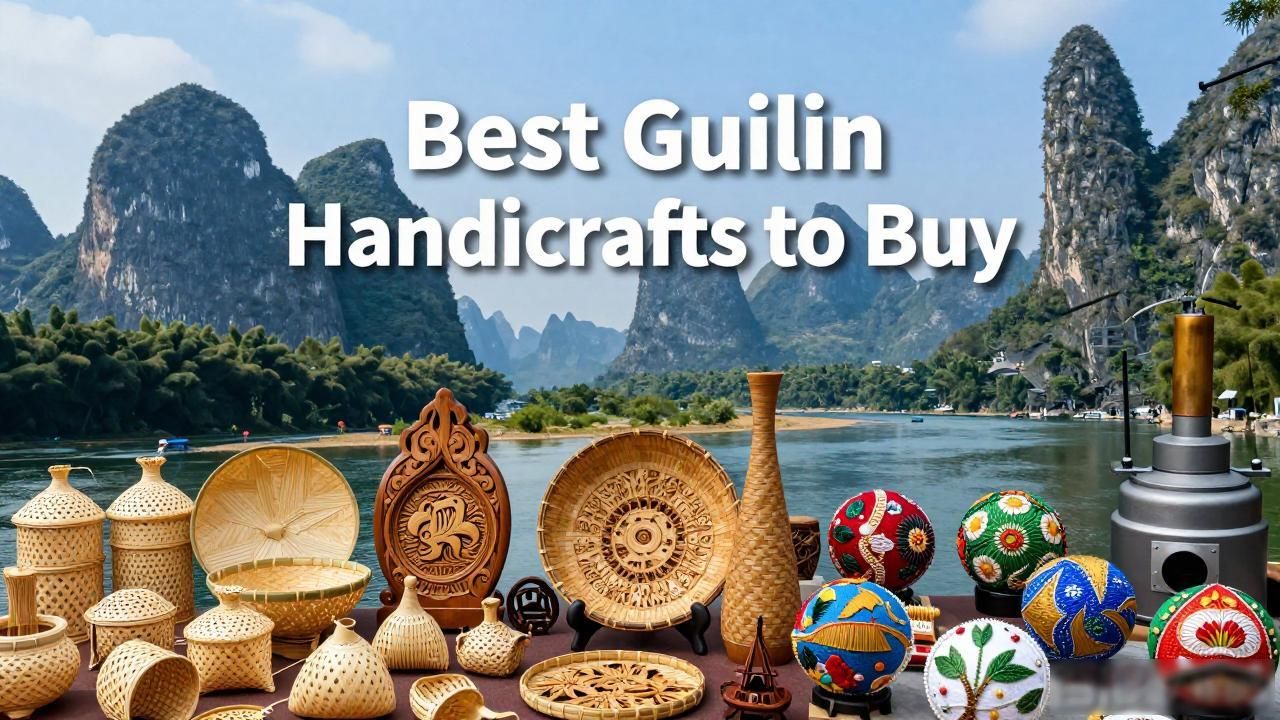
Guilin is known not only for its limestone peaks and winding rivers but also for a long-standing tradition of handmade crafts. These items are not factory-made trinkets. They reflect local life, materials, and skills passed down through generations. If you are looking for something real to bring home, Guilin handicrafts offer depth beyond the usual tourist souvenirs.

What makes Guilin handicrafts different from other souvenirs
Many travelers wonder why they should buy local crafts instead of mass-produced gifts. Guilin handicrafts stand out because they are deeply tied to the region’s natural resources. The Li River provides fine clay used in pottery. Local bamboo grows abundantly and is woven into baskets, mats, and even furniture. The crafts here are not imported or copied from other cities. Each piece carries a sense of place. For example, Guilin’s bamboo weaving is lighter and more flexible than similar products from other provinces. The pottery has a distinct grayish tone that comes from local minerals. When you hold a piece of Guilin handicraft, you are holding a piece of the landscape itself. That is something no factory can replicate.
Which Guilin handicrafts are practical for daily use
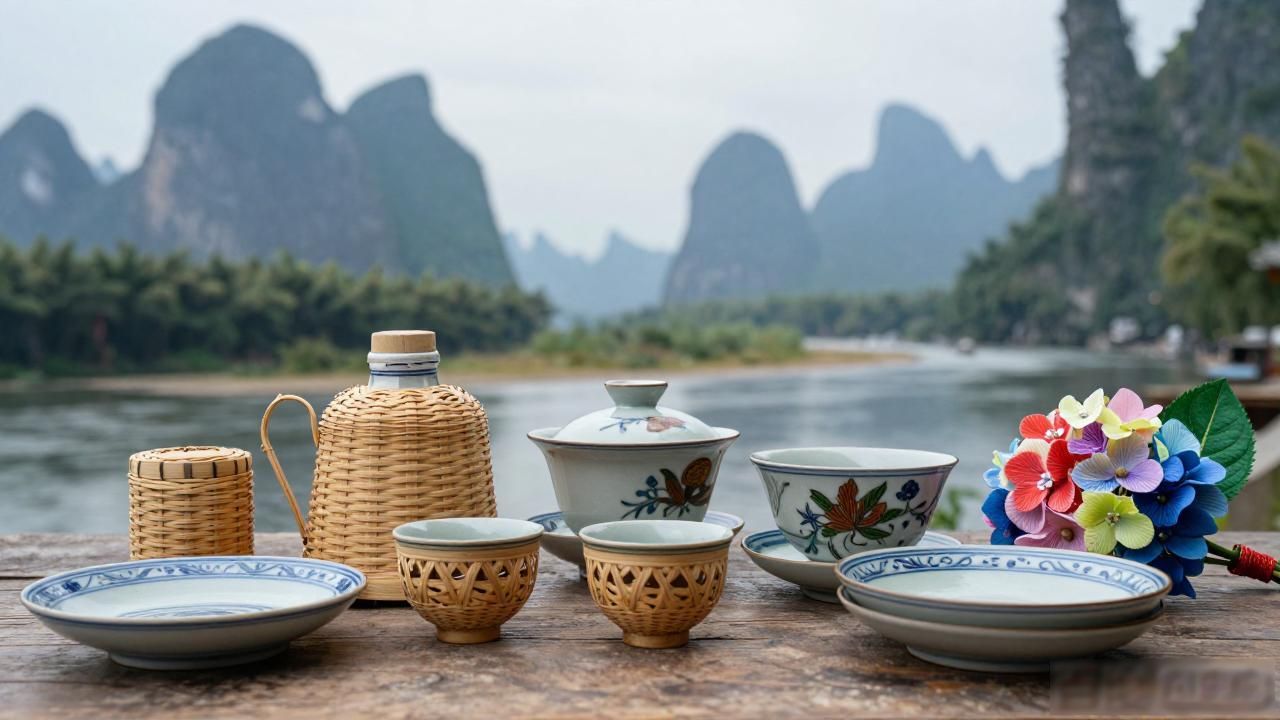
Travelers often hesitate to buy handicrafts because they worry the items will just sit on a shelf and collect dust. But many Guilin handicrafts are designed for everyday life. Bamboo kitchen tools, such as steamers and cutting boards, are sturdy and naturally antibacterial. Hand-painted ceramic tea sets are not only beautiful but also functional for brewing local Guilin tea. Cotton batik scarves are lightweight and can be worn in multiple seasons. Even the woven bamboo baskets can be used for storage, picnics, or as plant holders. These items carry the story of Guilin without being fragile or useless. They fit into a modern home while keeping the traditional craft alive.
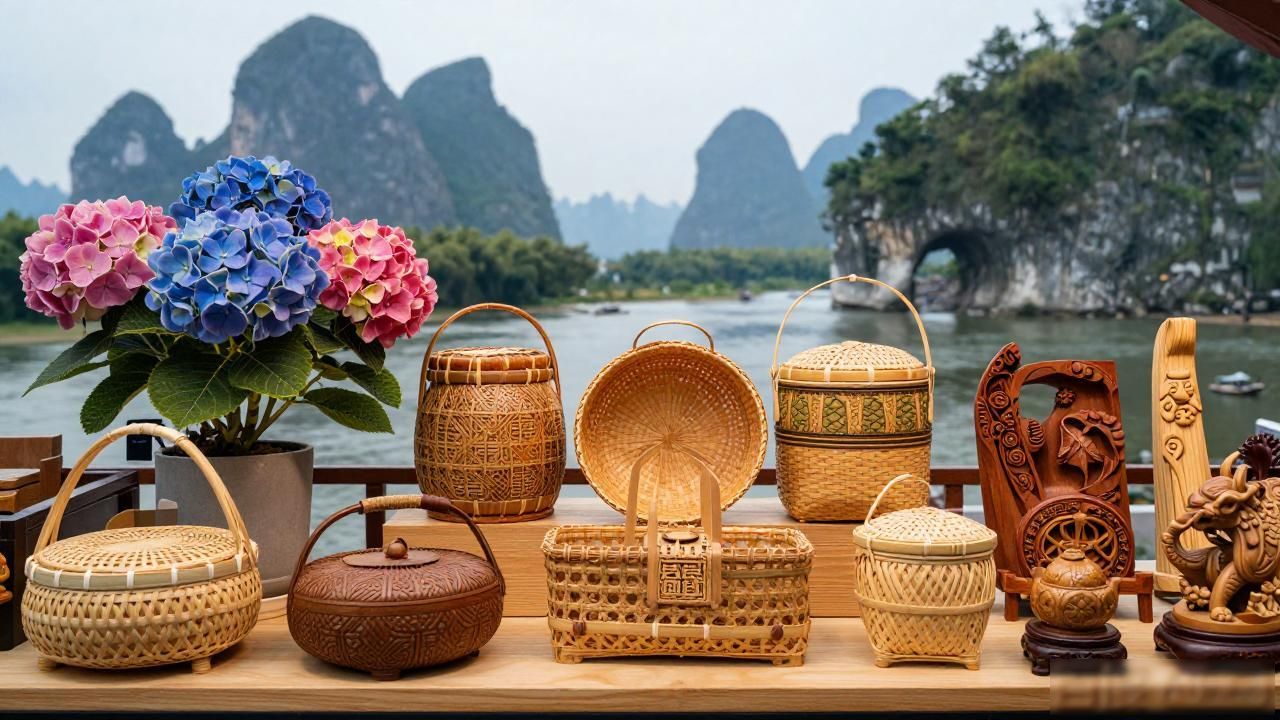
Guilin handicrafts offer a way to support local artisans while bringing home something that actually matters. The next time you walk through a market near the Li River, take a closer look at the baskets,the clay pots, and the hand-dyed fabrics. They are not just decorations. They are Guilin in its most honest form.