
When people talk about Chinese street food, they are referring to the vast and vibrant world of snacks sold by vendors on sidewalks, night markets, and alleyways across China. These foods are not just cheap meals—they are a direct window into local culture, daily life, and centuries-old culinary traditions. From sizzling skewers to steaming buns, Chinese street food offers bold flavors and textures that every traveler should experience at least once.
What makes Chinese street food so popular worldwide
The global appeal of Chinese street food comes down to three things: freshness, flavor, and variety. Vendors cook everything right in front of you, often using high heat and heavy seasoning. You can smell the garlic, chili oil, and soy sauce from a block away. Many dishes are also highly customizable. For example, jianbing, a popular breakfast crepe, can be filled with egg, crispy wonton, scallions, and your choice of sauce. If you prefer something spicy, you can ask for extra chili. If you want it mild, just say so. This flexibility makes street food accessible to almost any palate.
Another reason for its popularity is the price. A filling meal of lamb skewers or noodle soup often costs less than a cup of coffee in the West. That means you can eat your way through a whole market without breaking your budget. And because the food is made to order, it is almost always hot and fresh. That is hard to beat.
Which Chinese street food should you try first
If you are new to Chinese street food, start with chuan’r, or grilled meat skewers. These are found everywhere, from Beijing to Kunming. The meat is marinated in cumin, chili, and sesame, then grilled over charcoal until smoky and tender. Lamb skewers are the most traditional, but you will also find chicken, beef, and even tofu versions. They are perfect for sharing and easy to eat while walking.
Another must-try is xiaolongbao, or soup dumplings. These delicate steamed buns hold a hot broth inside, along with pork or crab filling. Biting into one requires care—you should take a small nibble first, let the steam escape, then slurp the soup before eating the rest. It is a sensory experience that captures the precision and creativity of Chinese cooking.

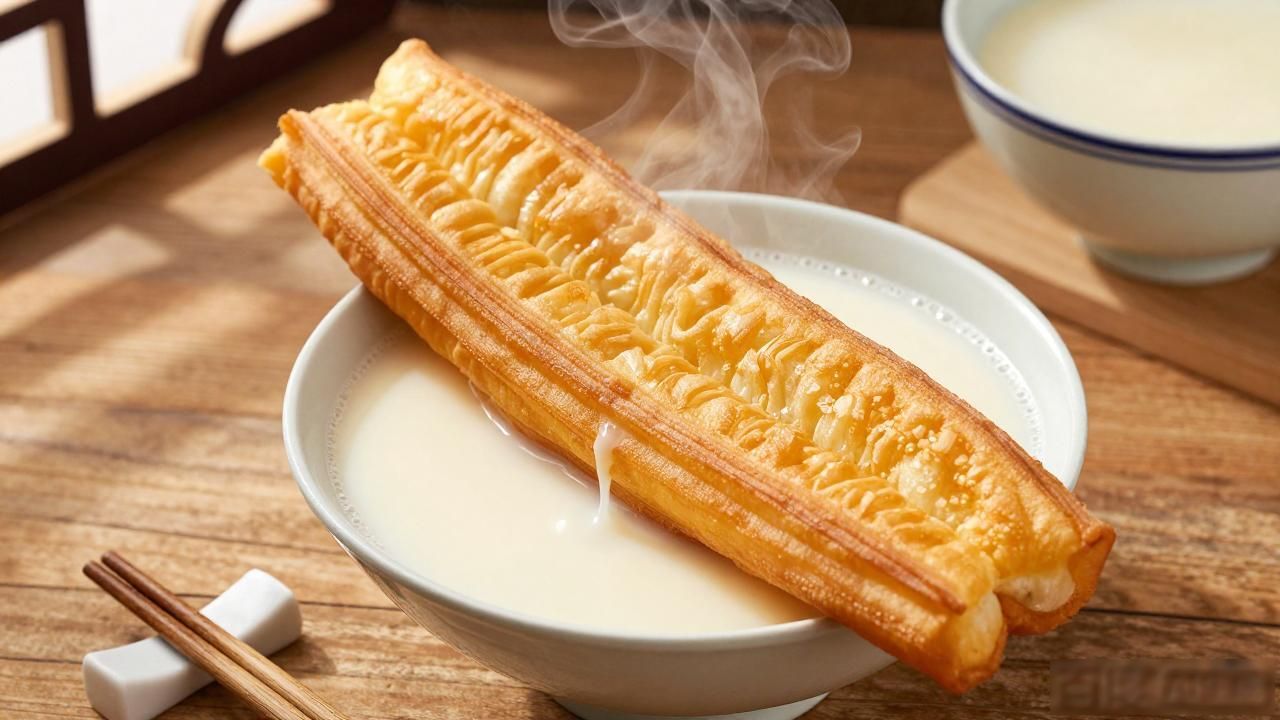
For something crunchy, look for youtiao, a deep-fried dough stick often eaten with warm soy milk for breakfast. It is salty,crispy, and surprisingly light. You can also dip it in congee or wrap it in a rice roll. Locals have been eating this for over a thousand years, and it remains a daily staple.
The beauty of Chinese street food is that you do not need to speak the language or know the menu. Just point, smile, and watch the vendor work. Every bite tells a story of the place and the people who live there. If you travel to China, let your appetite guide you through the streets. You will not regret it.