
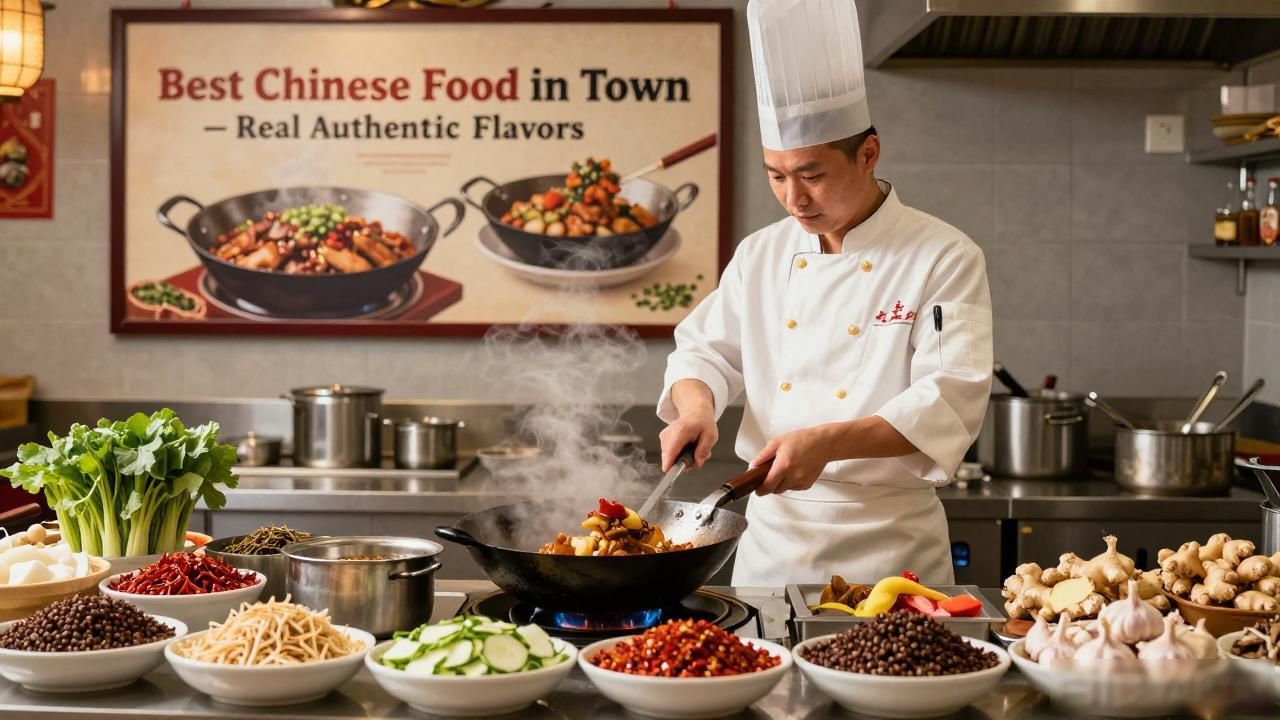
When people search for authentic Chinese restaurants, they usually want more than just a meal. They are looking for real flavors, traditional cooking methods, and a genuine cultural experience. Many restaurants outside China claim to serve Chinese food, but the taste and ingredients are often adapted to local preferences. Truly authentic Chinese restaurants preserve the original recipes, spices, and techniques passed down through generations.
What makes a Chinese restaurant truly authentic

Authenticity starts with the ingredients. Real Chinese restaurants use traditional staples like soy sauce, fermented bean paste, Sichuan peppercorns, fresh ginger, and garlic. They do not replace these with local substitutes to cut costs or please unfamiliar palates. The cooking methods also matter. Stir-frying over high heat, slow braising, steaming, and deep frying are all techniques that require skill and experience. A restaurant that cuts corners on these methods will never deliver the genuine taste.
Another key factor is the menu. Authentic restaurants offer dishes that are popular in different regions of China, such as Sichuan, Cantonese, Hunan, or Shangdong cuisine. They do not just serve sweet and sour chicken or fried rice. Instead, they feature items like mapo tofu, dan dan noodles, steamed fish with ginger,and twice-cooked pork. These dishes reflect the depth and variety of Chinese culinary traditions. The chefs themselves are often trained in China or have years of experience working under Chinese masters.
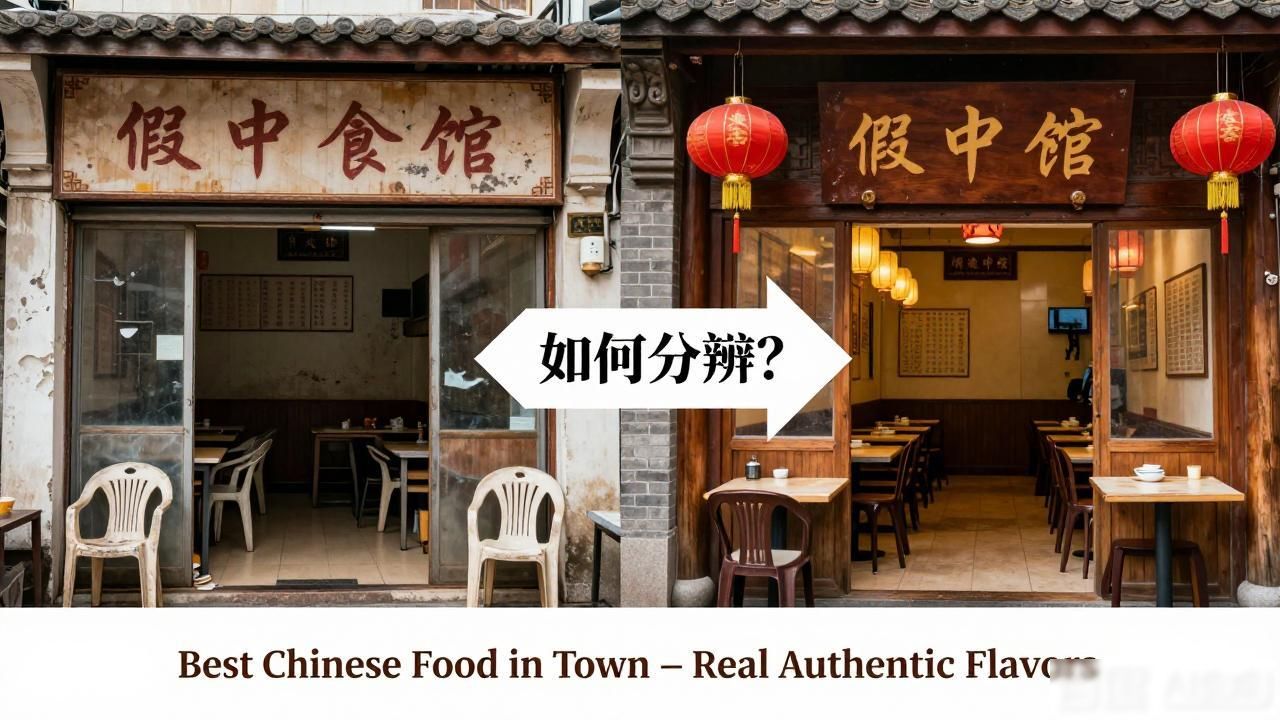
How to spot a fake Chinese restaurant before you eat
Many restaurants use red lanterns and Chinese decorations to look authentic, but the food tells the real story. One way to test authenticity is to look at the menu. If most dishes are sweet, deep-fried, or covered in thick sauce, it is likely adapted for Western tastes. Genuine Chinese cuisine balances salty, spicy, sour, and umami flavors. It also uses fresh vegetables and lean meats in ways that highlight natural taste.
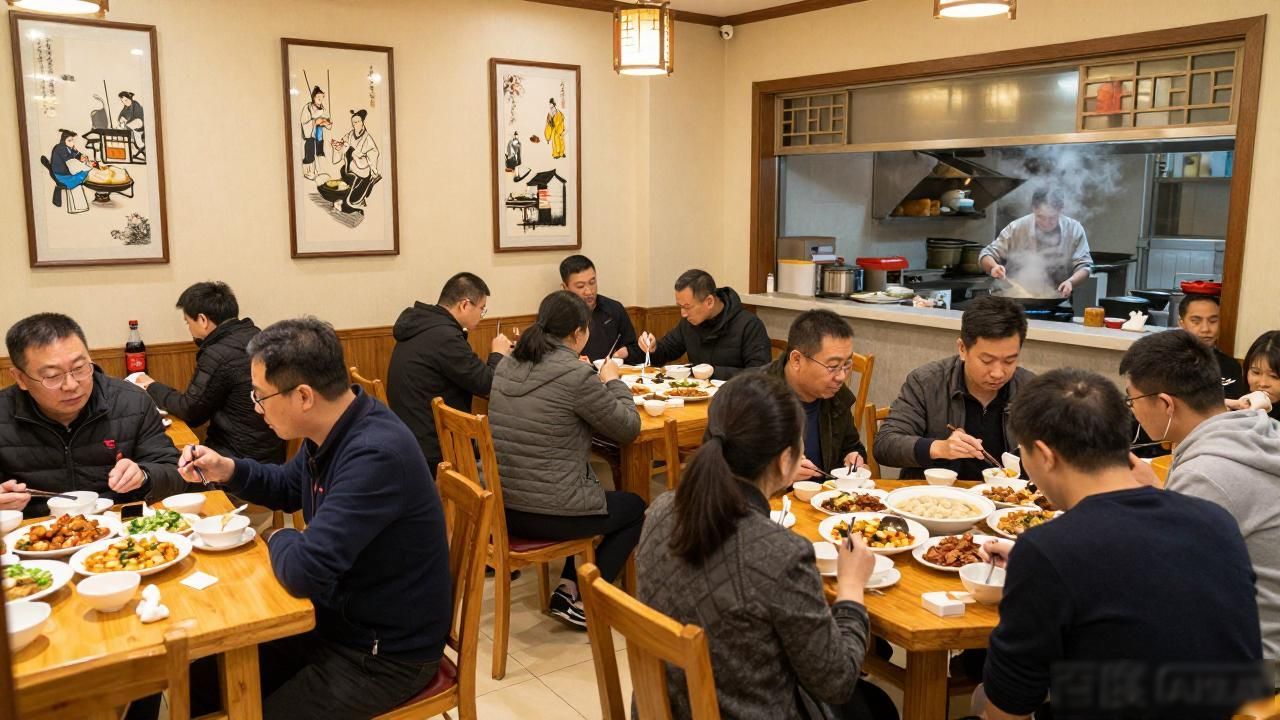
Another clue is the customer base. Authentic Chinese restaurants often have a mix of local Chinese customers and international food lovers. If you walk in and see mostly locals from China eating there, that is a strong sign the food is real. Also, pay attention to the smell. Real Chinese kitchens have a distinct aroma of garlic, ginger, and soy sauce, not just oil and sugar. If the food tastes bland or one-dimensional, it is probably not authentic.
The best way to find authentic Chinese restaurants is to ask people who know. Read reviews from native Chinese speakers or food bloggers who travel to China. Trust your senses and don’t be fooled by decorations or fancy names. Real authenticity is in every bite.