
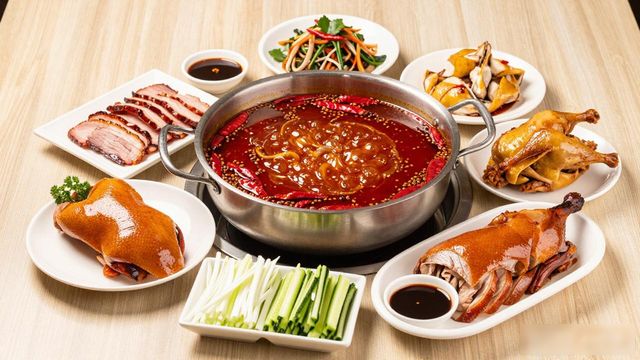
China’s food scene is incredibly vast and diverse, shaped by thousands of years of history and regional traditions. For anyone starting a China food exploration, the key is to understand that Chinese cuisine is not a single style but a rich tapestry of flavors, from the fiery heat of Sichuan to the delicate dim sum of Cantonese kitchens. Each region uses local ingredients and cooking methods that reflect its climate and culture. This guide is designed to help you navigate this culinary landscape and find the dishes that truly define Chinese food.

What are the must-try regional cuisines in China
When you dive into China food exploration, the first step is recognizing the eight great culinary traditions. But for a foreign traveler, focusing on four major styles is most practical. Sichuan cuisine is famous for its bold, numbing spice from Sichuan peppercorns and chili, with classics like Mapo Tofu and Kung Pao Chicken. Cantonese cuisine,from Guangdong, emphasizes freshness and subtle seasoning, making dishes like steamed fish and barbecue pork memorable. Shandong cuisine brings hearty, salty flavors with a focus on seafood and braised dishes, while Jiangsu food highlights refined techniques and natural sweetness, perfect for delicate soups and braised pork belly. These cuisines offer a spectrum that can satisfy anyone new to Chinese cooking.
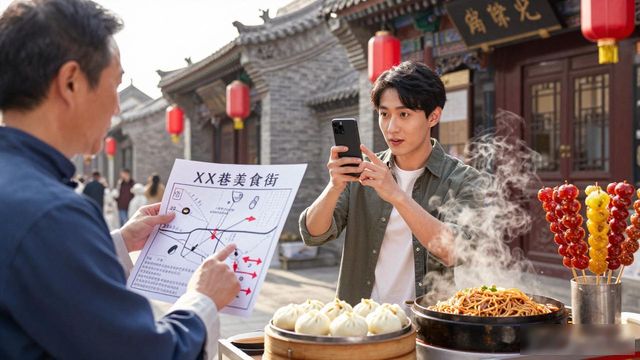
How to find authentic local food without getting lost
A common worry during China food exploration is discovering genuine local food instead of tourist traps. The best strategy is to watch where locals eat. If you see a long line of residents outside a small noodle shop or dumpling house at lunchtime, that is a strong sign of quality. Street food markets are another treasure trove for real flavors—try jianbing (savory crepes) for breakfast or lamb skewers from a grill cart at night. Don’t be afraid to point at what others are eating if the menu is in Chinese only. Also, asking your hotel staff or a local friend for their favorite neighborhood spot often leads to a meal that feels truly connected to the place.
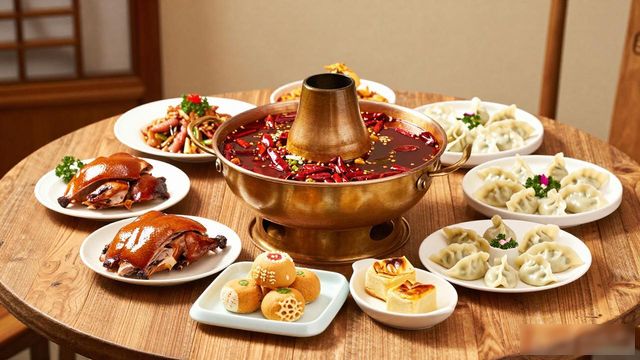
To finish your exploration, remember that food in China is best enjoyed with an open mind and a willingness to experiment. Whether you are slurping noodles in a bustling Shanghai alley or sharing a hot pot in Chengdu, each meal tells a story about the people and the land. Let your taste buds guide you, and you will discover that China food exploration is not just about eating—it is about experiencing the heart of the culture.