
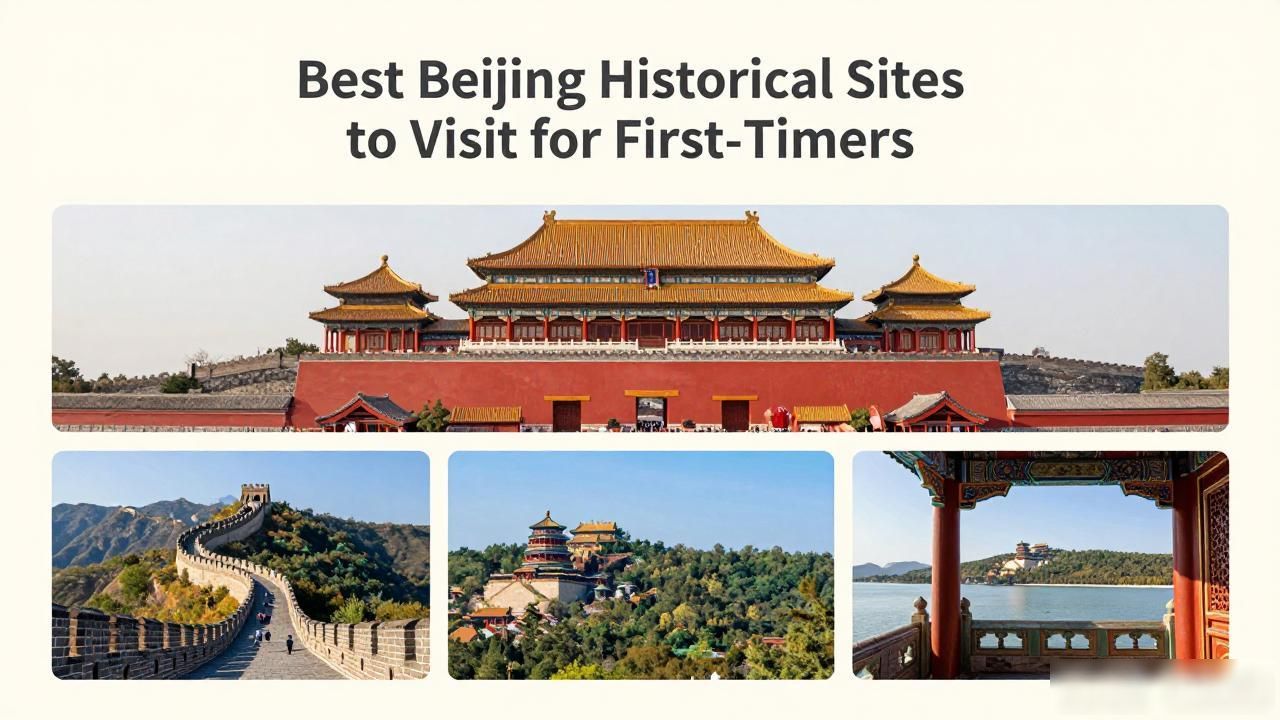
Beijing is a city where every corner holds a story, and its historical sites are the very soul of China’s imperial past. For first-time visitors, the sheer number of ancient palaces, temples, and walls can feel overwhelming. But the truth is, you don’t need to see everything—you need to see the right things. The most iconic landmarks like the Forbidden City and the Great Wall are not just tourist stops; they are windows into a civilization that has shaped the world for over two thousand years. To truly appreciate Beijing, you have to walk its old stones and let the weight of history settle on you.
What are the must-see historical landmarks in Beijing

The Forbidden City is where your journey should begin. It is the largest ancient palace complex in the world, and walking through its golden roofs and crimson walls feels like stepping into a living painting. But here is the thing—most visitors rush through it in two hours, which is a mistake. You need at least half a day to absorb the scale of it. The Hall of Supreme Harmony, the imperial gardens, and the countless courtyards each hold layers of meaning that are easy to miss if you’re just snapping photos.
The Great Wall at Mutianyu is another essential stop. Unlike the crowded Badaling section, Mutianyu offers a more authentic and peaceful experience. The wall snakes over green ridges like a sleeping dragon, and when you stand on its watchtowers, you can almost hear the echoes of ancient soldiers. The cable car ride up is convenient, but if you’re fit, hiking the eastern path gives you a raw, unfiltered connection to the structure. Do not leave Beijing without touching the bricks of the Great Wall—it is the single most powerful moment you will have here.
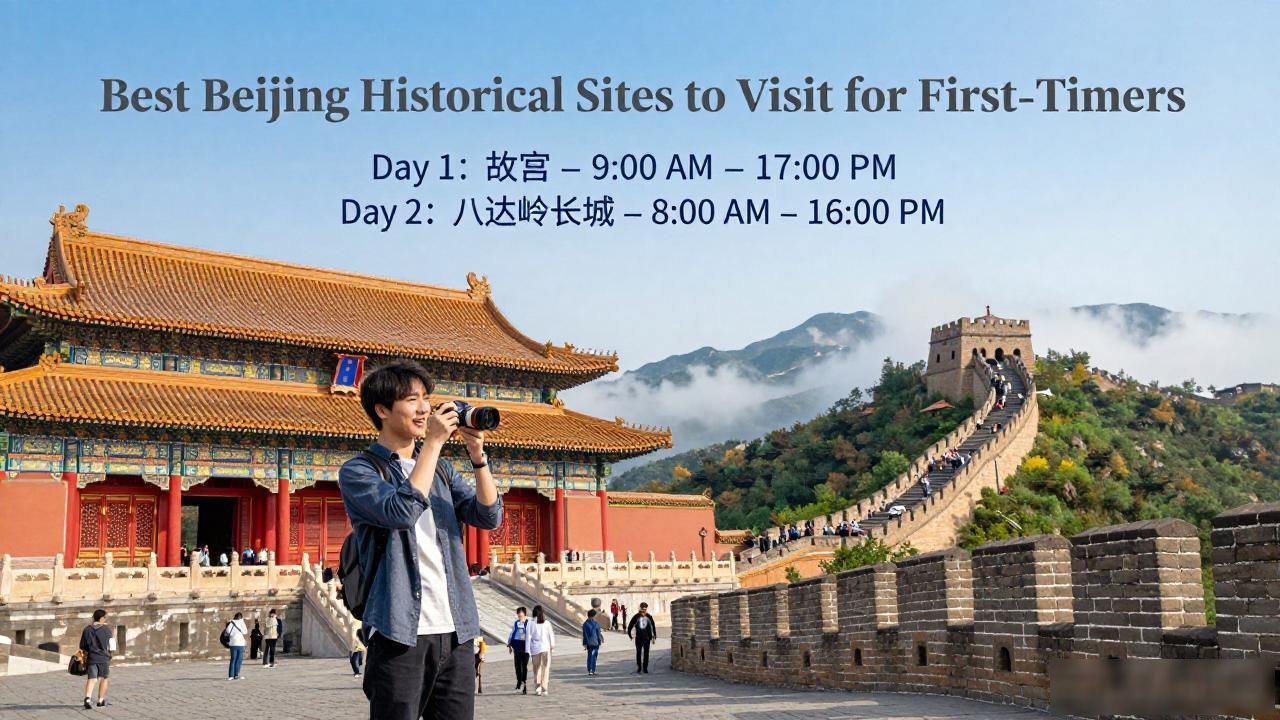
How to plan a day trip to Beijing heritage sites
Planning is everything. The Temple of Heaven is a masterpiece of Ming Dynasty architecture,and it is best visited early in the morning. Locals gather there for tai chi and singing, and the atmosphere is alive with daily rituals that have nothing to do with tourism. The circular altar, the Hall of Prayer for Good Harvests, and the surrounding park make for a serene morning that contrasts sharply with the bustling city outside.
The Summer Palace deserves a full afternoon. It is not just a palace; it is a sprawling royal garden built around Kunming Lake. Rent a boat, walk the Long Corridor with its painted scenes, and climb to the Tower of Buddhist Incense for a panoramic view. The key is to slow down. Beijing’s history is not meant to be consumed quickly. It rewards those who linger, who sit on a bench and watch the light change over ancient rooftops.
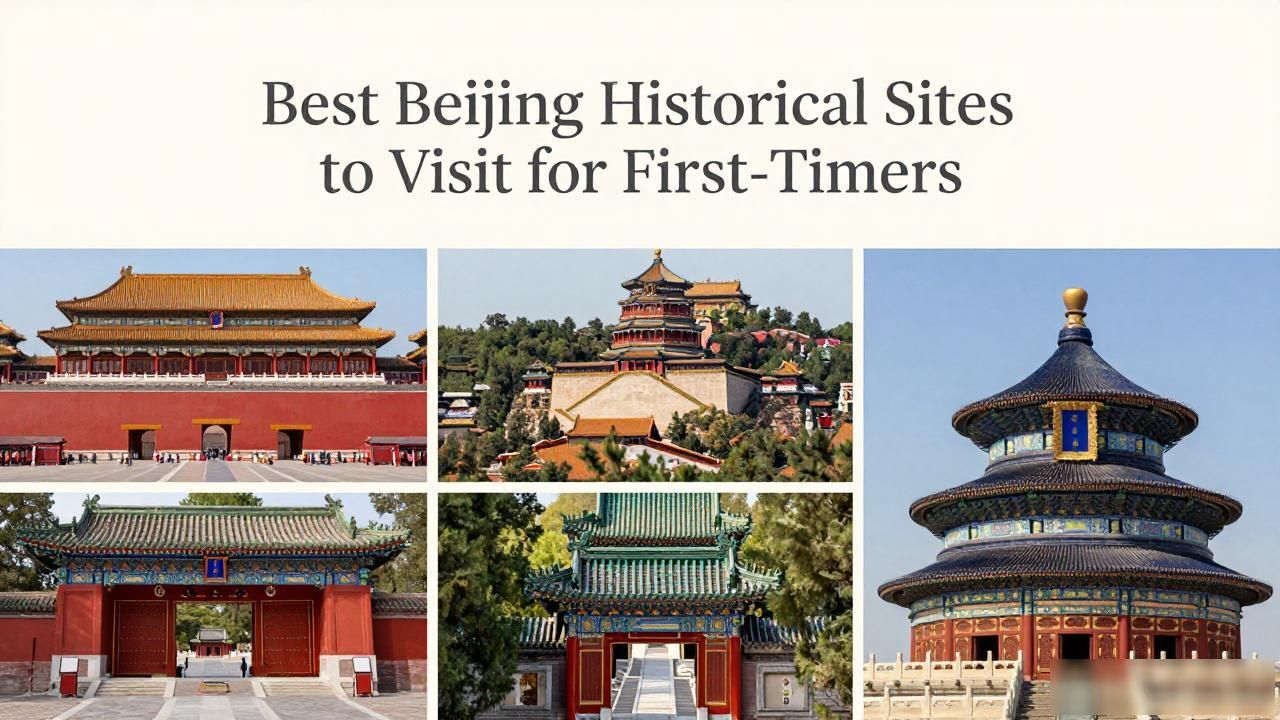
A practical tip: group your visits by geography. The Forbidden City and Jingshan Park are next to each other, and climbing Jingshan gives you the best aerial view of the palace complex. The Temple of Heaven and the Summer Palace are farther apart, so plan them on separate days. Use the subway—it is cheap, fast, and connects every major site. And always carry your passport because some sites require it for ticket purchase. The biggest mistake tourists make is trying to see too much in one day; quality over quantity is the rule here.
Beijing’s historical sites are not just attractions—they are lessons in patience, power, and beauty. Whether you stand on the Great Wall or walk the silent courtyards of the Forbidden City, you are touching something eternal. Take your time, respect the space, and let the city teach you what no guidebook ever could.