
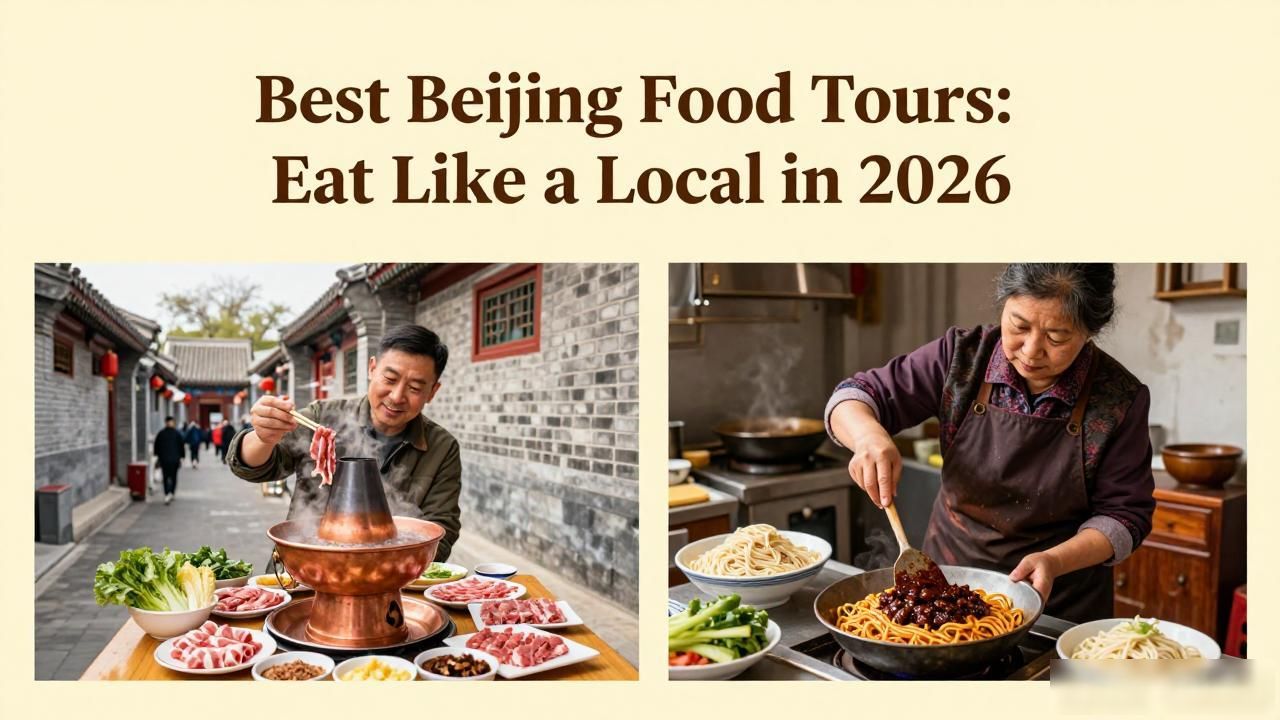
Beijing’s food scene is a maze of hutong alleys, sizzling street stalls, and century-old restaurants. A good food tour doesn’t just feed you—it decodes the city’s culinary DNA. You’ll learn why Peking duck is carved tableside, how to order jianbing without getting burned, and which night market stalls are worth the stomach space. This guide breaks down what to expect, how to pick a tour, and the dishes you simply cannot miss.
What to look for in a food tour
Not all food tours are created equal. The best ones keep groups under eight people, because crowded tours mean cold food and rushed stories. Check if the guide is a local who grew up in Beijing—they’ll know which dumpling shop has been run by the same family for three generations, and which one just changed owners and lost its soul. Look for tours that include at least one sit-down meal,not just standing at counters. Your feet will thank you after three hours of walking.

A solid tour should also handle dietary restrictions without eye-rolls. Vegetarians can still enjoy Beijing, but you need a guide who knows which dishes are secretly meat-based. Ask about the route before booking. The best routes mix tourist spots like Wangfujing with residential areas like the hutongs near Gulou. That contrast is where the real eating happens. A tour that only hits famous spots is a bus route, not a food tour.
What dishes should you expect on a Beijing food tour
You will eat more than you think possible. Typical tours start with breakfast—either jianbing (crispy crepe with egg and cracker) or baozi (steamed buns). Mid-morning brings a snack, often donkey burger or soybean milk with fried dough sticks. Lunch is the main event: Peking duck, zhajiangmian (noodles with fried sauce), or hotpot. Afternoon tours add candied hawthorn sticks, sesame cakes, and maybe a visit to a traditional teahouse.
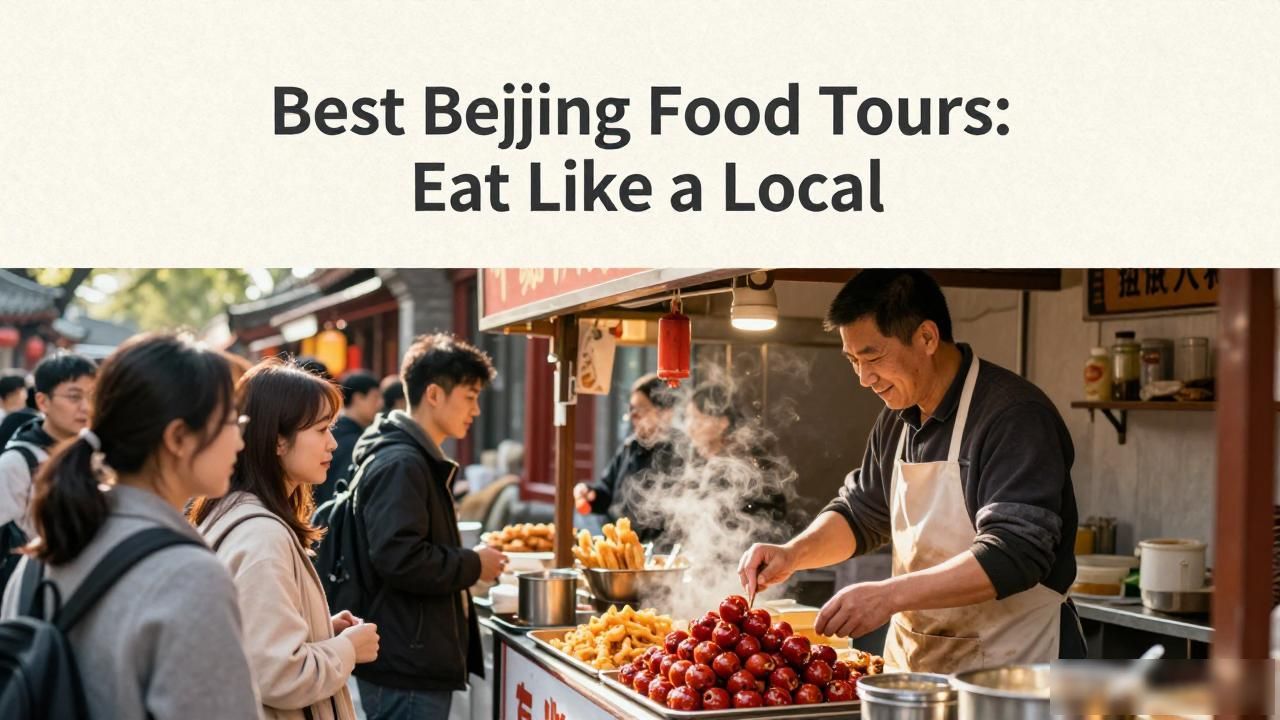
The real magic happens at the stalls with no English menus. Your guide will order three things you’ve never heard of, and one of them will become your favorite food in China. Don’t skip the stinky tofu—it smells like a gym sock but tastes like umami fireworks. Also, try the sugar-coated hawthorn on a stick; it’s the original Chinese candy apple. If your tour includes a visit to a wet market, pay attention. That’s where you see what locals actually buy for dinner, not what they serve to tourists.
How much should you pay for a food tour in Beijing
Prices range from $40 to $150 per person, depending on group size and what’s included. Budget tours cover street snacks and market visits. Mid-range tours add a proper restaurant meal. Premium tours include private guides, alcohol pairings, and visits to hard-to-book restaurants. The sweet spot is around $70 to $90—enough for quality food, not so much that you’re paying for a brand name.
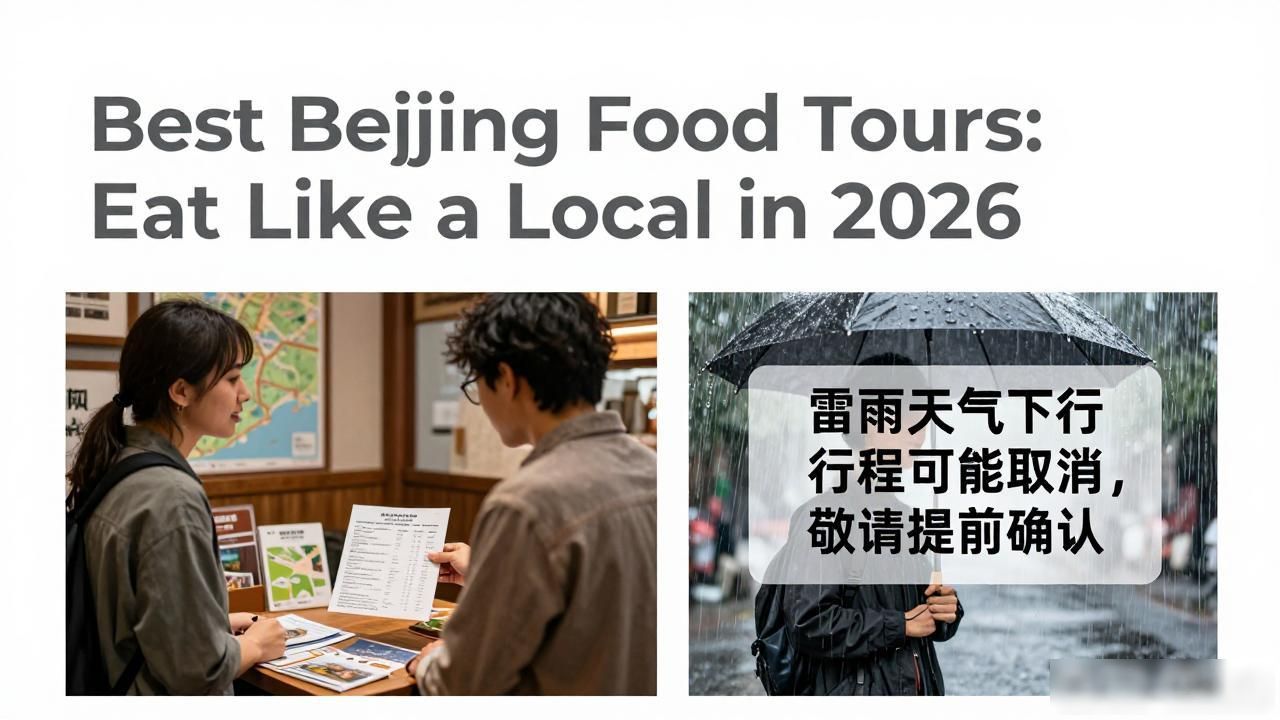
Watch out for hidden costs. Some tours advertise a low price but make you pay for drinks or the main dish separately. Ask upfront what’s included. Also, check the cancellation policy. Beijing weather can be brutal in summer, and you don’t want to lose money if a thunderstorm ruins your walking tour. Most reputable companies offer free cancellation up to 24 hours in advance.
Timing matters too. Morning tours are best for street food, because stalls are freshest. Evening tours are better for Peking duck and hotpot, but expect bigger crowds. If you’re short on time, a 3-hour tour covers the essentials. If you’re a serious eater, book a 5-hour tour and skip breakfast beforehand. Come hungry, wear stretchy pants, and trust your guide’s judgment on what to eat next. Beijing has been feeding hungry travelers for centuries—you’re in good hands.