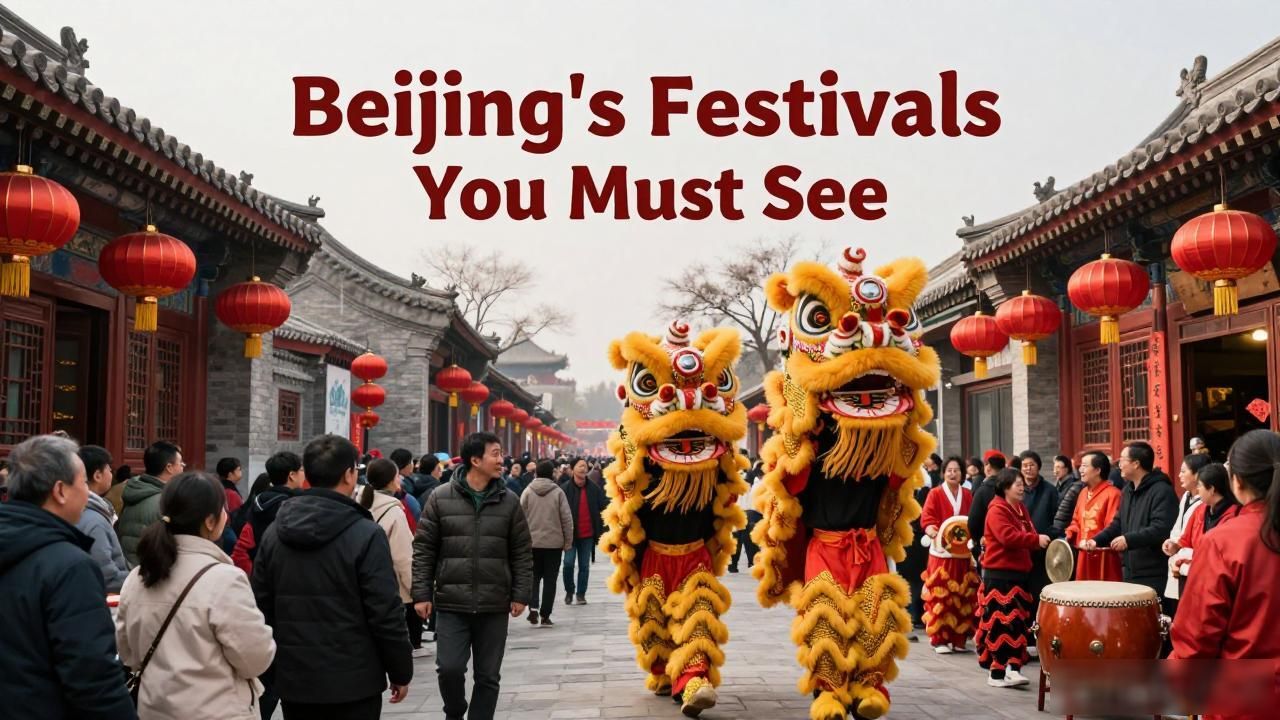
Beijing‘s calendar pulses with ancient rhythms that no amount of skyscraper construction has managed to silence. From the thunder of lion dances on New Year’s Eve to the quiet lantern glow of the Mid-Autumn month, the city layers centuries of ritual onto every narrow street corner. For first-time visitors, these traditional festivals in Beijing offer the closest look you’ll get at how a twenty-first-century megacity still honors its past without pretending to be a museum.
What are traditional festivals in Beijing
The Spring Festival dominates every list. Homes overflow with red couplets, kitchens reek of steamed dumplings for hours on end, and kids practically refuse to sleep, waiting for the red envelopes that carry good luck into the new year. The Temple of Fair Life on Chang’an Avenue swells into a roaring night market stuffed with paper lanterns, folk acrobats, and stalls hawking everything from embroidered slippers to iron-skewered lamb. The smell of firecracker smoke lingers for days.
Lantern Festival seals the New Year cycle. Families and couples wander out under thousands of glowing globes strung along the old city wall, solving riddles pinned to each one. The riddle tradition stretches back over a thousand years,yet you’ll still hear answers shouted across packed crowds exactly as scholars did in the Song Dynasty. It’s loud, it’s sweet, and nobody minds the elbowing.

## Where to celebrate traditional festivals in Beijing
The old city remains the undisputed epicenter. Drum and Bell Tower rings out at the start of each festival week, and the hutongs around Shichahai and Nanluoguxiang fill with street performers, tanghulu vendors, and grandmothers handing out candied haws to wide-eyed tourists. The alleyways narrow enough that the crush of bodies becomes part of the show itself.
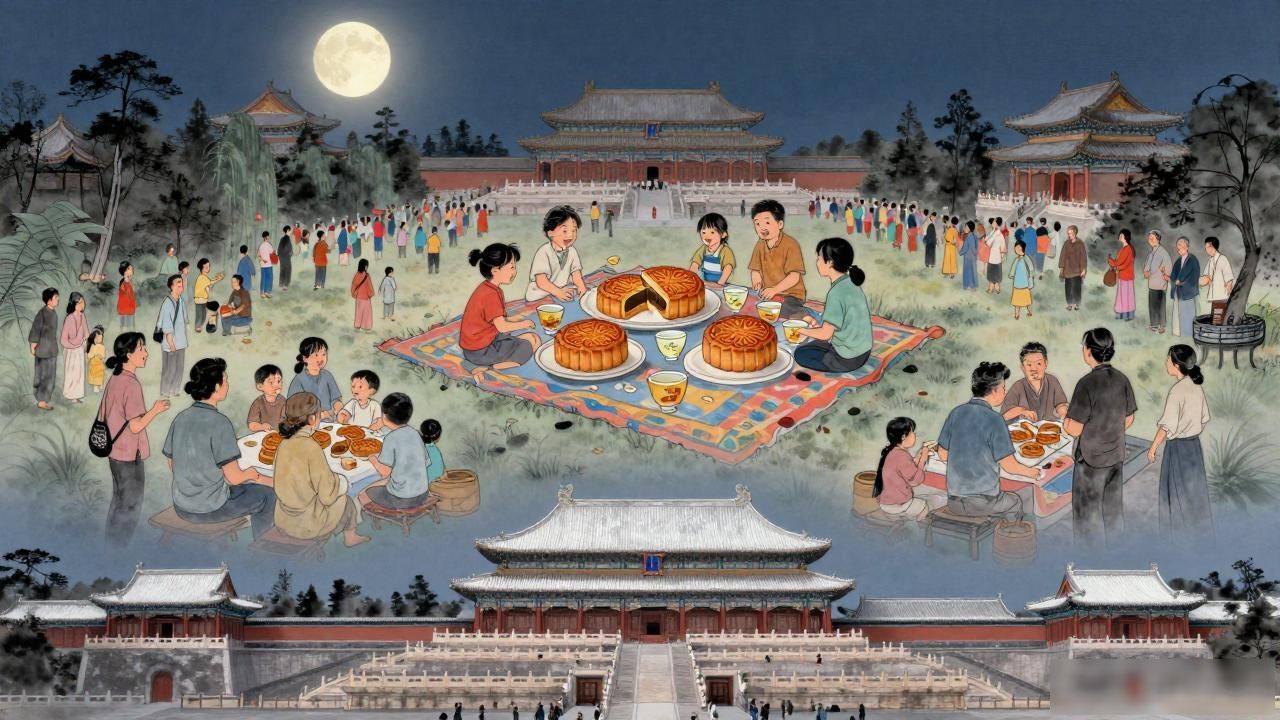
For Mid-Autumn, Youqutai Park pulls in tens of thousands. Families spread cloths on the temple rooftops, picnicking under the full moon with mooncakes cut into quarters and small cups of osmanthus wine. The Forbidden City glows silver below them, and for a few hours nobody’s checking their phone. It’s the closest thing to a collective exhale.
You don’t need a guidebook or a translation app for these days. Put on a warm jacket, walk the old streets when the festivals hit, and let the drumbeats do the narrating. Beijing tells its story best when it’s dressed in silk and firelight, not locked behind glass in some display case.