
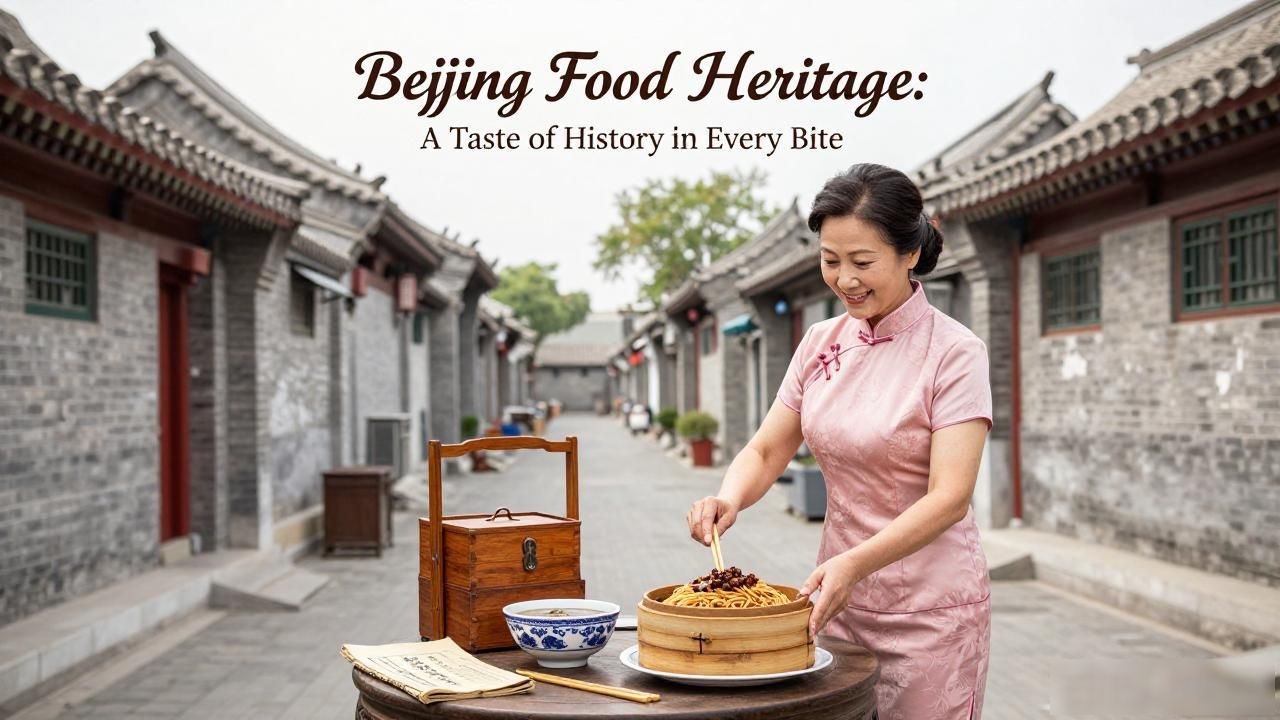
Beijing’s food heritage is not just about recipes; it’s a living archive of imperial ambition, street-level survival,and cultural exchange that has simmered for over eight centuries. From the opulent courts of the Ming and Qing dynasties to the smoky alleyways of the hutong, every dish carries a story of adaptation and pride. For a foreign visitor, understanding this heritage means moving beyond the clichés of Peking duck and discovering a culinary landscape that is both profoundly local and surprisingly global.

What Makes Beijing’s Food Heritage Unique
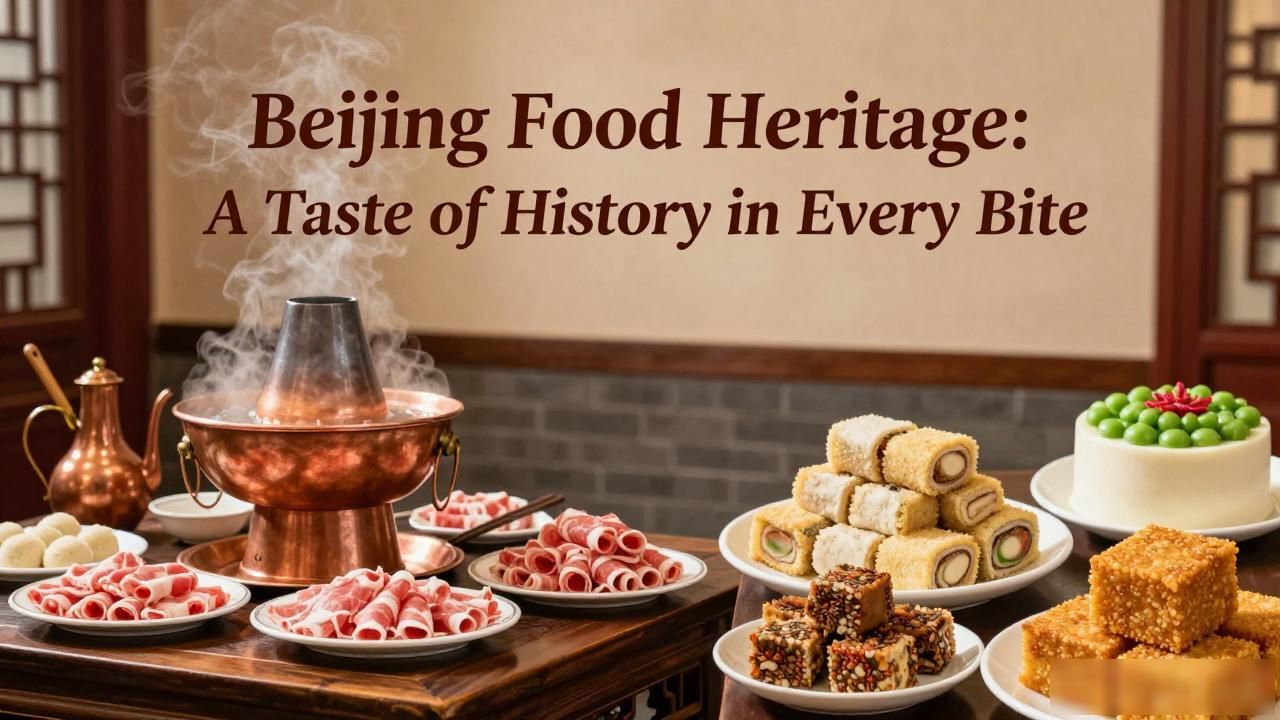
The city’s culinary identity was shaped by its role as the political and cultural heart of the nation. Unlike the spicy heat of Sichuan or the delicate sweetness of Shanghai, Beijing’s traditional flavors are built on savory depth, fermented richness, and a reverence for wheat-based staples. The imperial kitchen demanded precision and seasonal purity, which gave rise to dishes like suan cai (pickled cabbage) and jiang rou (sauced pork), designed to preserve ingredients through harsh northern winters. Meanwhile, the influx of court chefs, eunuchs, and merchants from all over China created a melting pot where Shandong’s robust cooking techniques met Mongolian roasting methods and Muslim halal practices. This fusion is most evident in the city’s signature snack culture—from douzhi (fermented mung bean juice) to lüda gun (sweet bean rolls)—which were once sold by street vendors carrying shoulder poles, catering to laborers and aristocrats alike.
How to Experience Authentic Heritage Dishes Today
To truly taste this heritage, skip the tourist-trap restaurants and head to the old hutong neighborhoods where family-run shops have maintained century-old methods. The key is to look for places that still use traditional tools like the guo (wok) over open flames and hand-pulled noodles made to order. Start your morning with a bowl of zhájiàng miàn (noodles with fried bean sauce), a dish that originated from Shandong but became quintessentially Beijing due to its hearty, umami-laden sauce made from fermented soybean paste and minced pork. For lunch, seek out men dian (steamed lamb with scallions), a dish that reflects the city’s Mongol influence and is best enjoyed with a side of tanghulu (candied hawthorn skewers) from a street cart. In the evening, a proper heritage meal should include jiaoquan (fried dough rings) dipped in doujiang (soy milk), and if you are adventurous, a sip of er guo tou (a strong sorghum liquor) to toast the old ways.
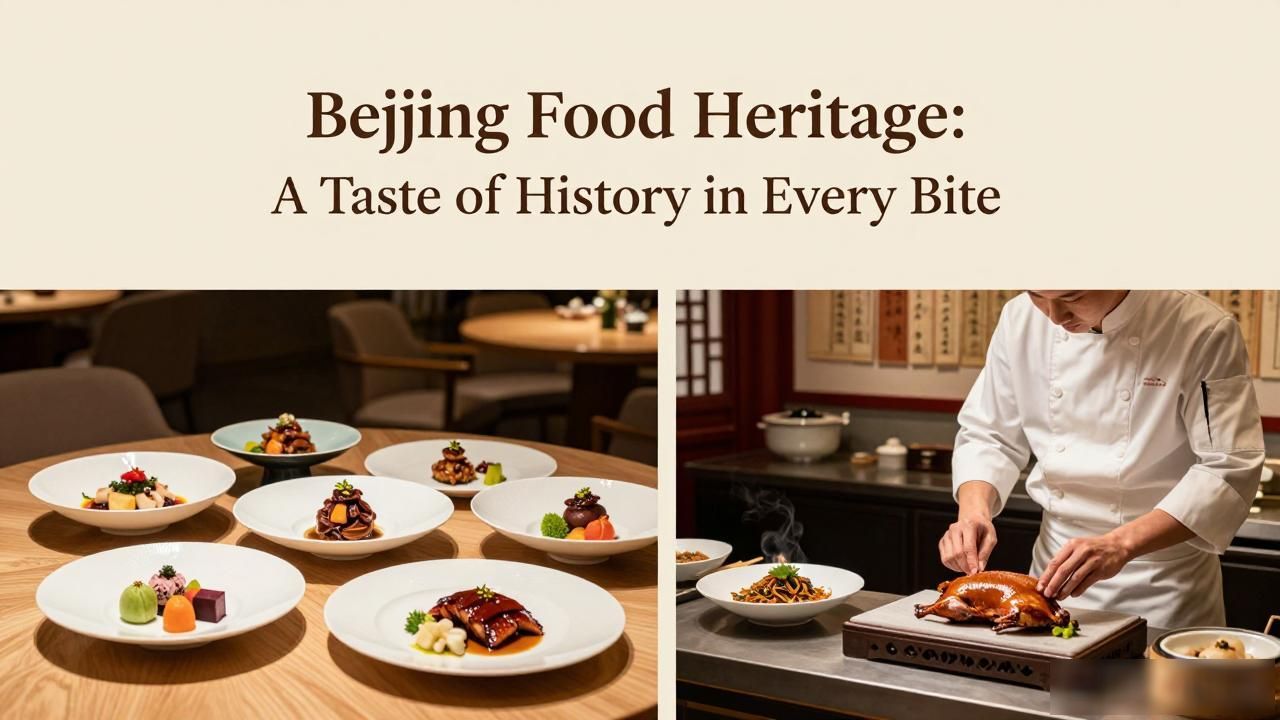
The preservation of this heritage is not merely about nostalgia; it is a dynamic process where chefs and home cooks are reinterpreting ancient techniques for modern palates. Some restaurants now offer tasting menus that trace the evolution of a single dish from the Ming dynasty to the present, while community workshops teach visitors how to make mantou (steamed buns) or zha jiang from scratch. As the city races toward modernity, these foodways remain a stubborn, delicious anchor to its past. The next time you bite into a crispy-skinned duck or chew on a chewy noodle, remember that you are not just eating—you are participating in a ritual that has connected generations of Beijingers to their land, their history, and each other.