
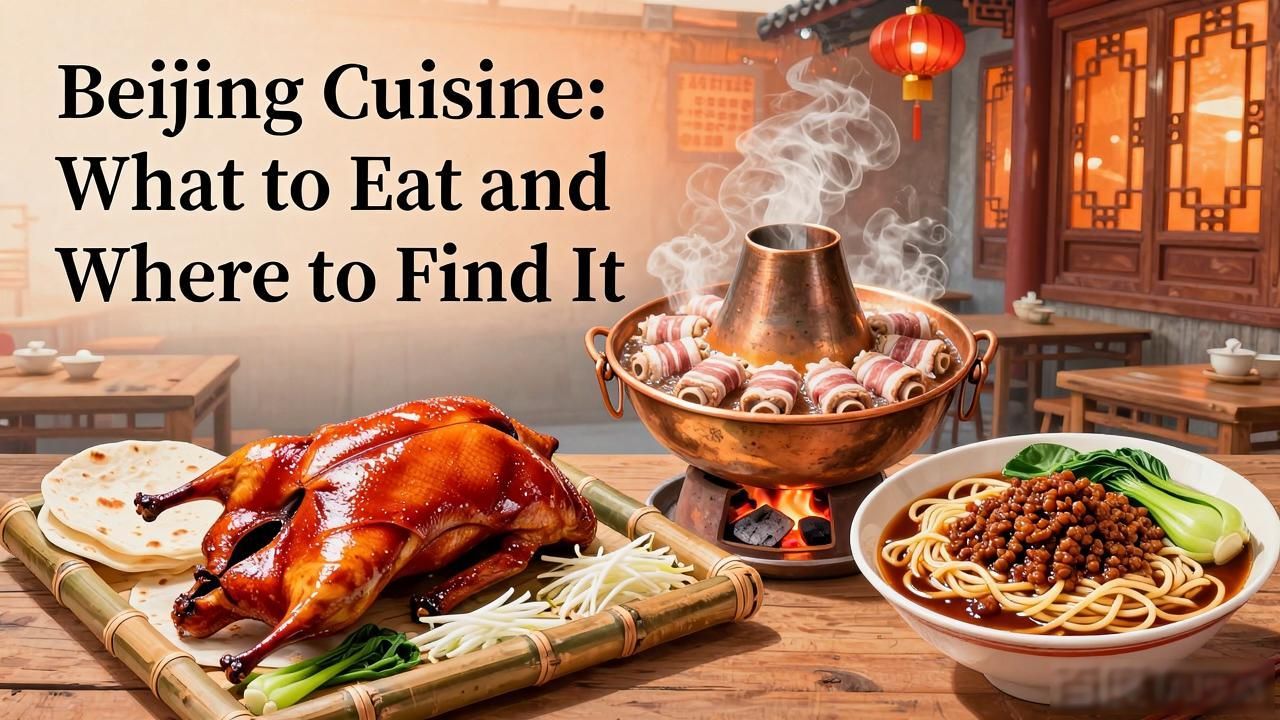
Beijing cuisine goes far beyond the world-famous Peking duck. As the capital of China for centuries, Beijing has developed a food culture that is hearty, savory, and deeply tied to its history as an imperial and northern city. Many travelers assume Beijing food is just about fancy duck restaurants, but the real soul of the cuisine lies in street stalls, family-run noodle shops, and traditional Muslim eateries.

What makes Beijing cuisine different from other Chinese food
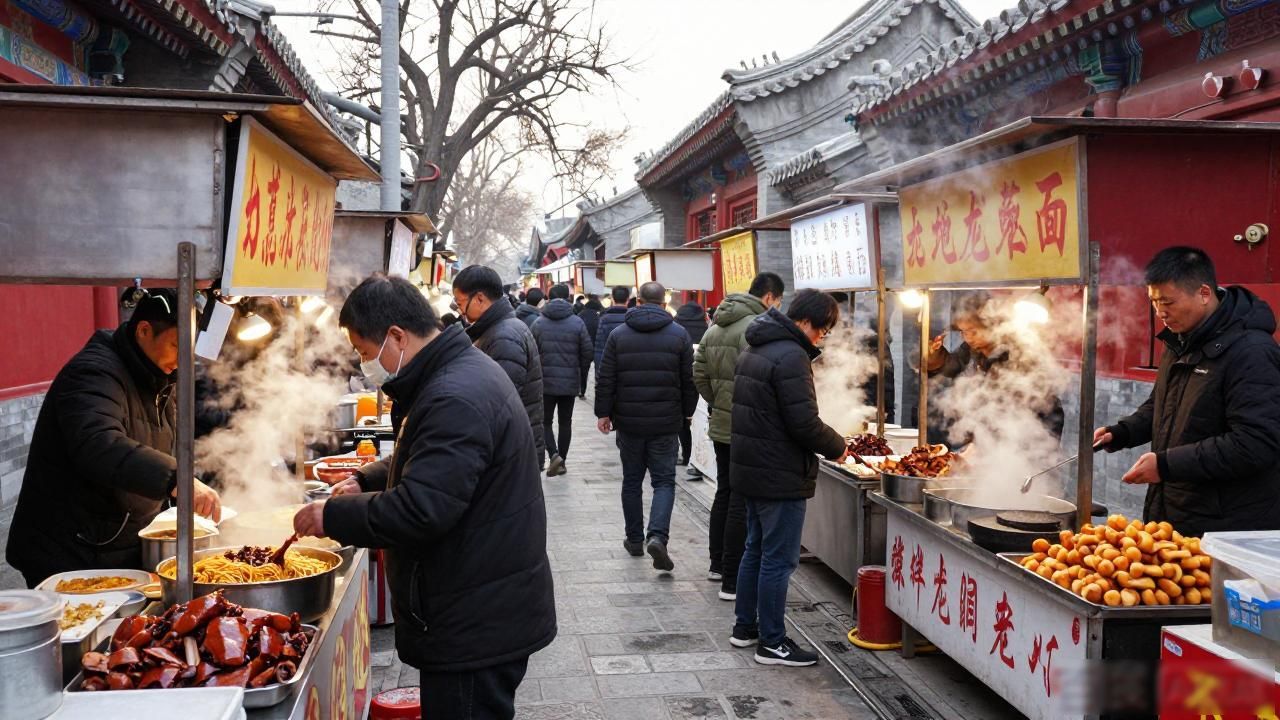
The first thing you notice about Beijing food is its bold, simple flavors. Unlike the spicy heat of Sichuan or the sweet richness of Cantonese food, Beijing cooking relies on soy sauce, garlic, vinegar, and sesame paste. The climate plays a big role too. Winters are long and cold, so dishes tend to be warming, filling, and often built around wheat rather than rice. Noodles,dumplings, and flatbreads are everyday staples. Another defining feature is the influence of imperial court cuisine, which brought refined techniques and luxurious ingredients into the local food scene. But at the same time, the city’s food is also shaped by the hutong neighborhoods, where generations of families have cooked simple, honest meals.
Where to try authentic Beijing dishes
If you want to taste the real Beijing, skip the tourist traps and go to the old neighborhoods. For breakfast, head to a local shop for jianbing, a crispy crepe filled with egg, scallions, and a crunchy fried cracker. It is cheap, fast, and utterly satisfying. For lunch, find a small eatery serving zhajiangmian, noodles topped with a thick sauce made from fermented soybean paste and ground pork. It is the ultimate comfort food in Beijing. Dinner is when you can explore more elaborate dishes like Peking duck, but do not overlook lamb hotpot, especially in winter. The Muslim Quarter near Niujie offers excellent lamb skewers and hand-pulled noodles that are full of flavor. Street food is also a big part of the experience. Try candied hawthorn sticks, fried dough rings, and steaming bowls of douzhi, a fermented mung bean drink that locals love and visitors find unforgettable.