
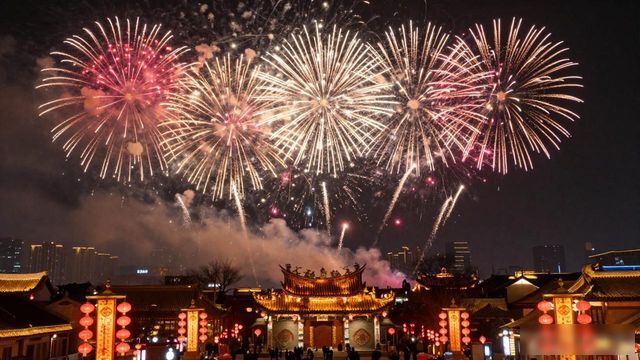
I’ve seen the skies of China light up for decades, and every year, the same question comes up: are fireworks still central to Chinese New Year? The short answer is yes, but the story has gotten complicated. Fireworks remain the heartbeat of the celebration, yet safety concerns, city bans, and environmental shifts have changed how people experience them. This isn’t just about noise and color—it’s about tradition adapting to modern life.
Why Chinese New Year Fireworks Are More Than Just Entertainment

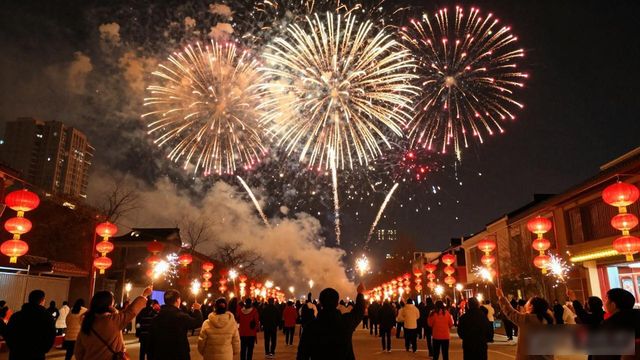
For anyone who hasn’t lived through a Chinese New Year in China, it’s hard to grasp how deeply fireworks are woven into the fabric of the holiday. They aren’t just for fun. The loud crackling and bright flashes serve a practical purpose rooted in ancient folklore: chasing away the mythical beast Nian, which was believed to terrorize villages at the turn of the lunar year. Over centuries, this evolved into a collective ritual. Families gather at midnight on New Year’s Eve, and the entire neighborhood erupts in a synchronized blast of sound and light. It’s chaotic, deafening, and strangely beautiful. I’ve seen grandparents hold toddlers up to watch the sky, their faces lit by explosions of red and gold. That shared moment of awe is something no digital display can fully replicate.
But here’s what many outsiders miss: the fireworks themselves carry meaning. Red is the dominant color because it symbolizes luck and prosperity. Long strings of firecrackers represent continuity—the longer the string, the longer the good fortune. People also believe that the louder the bang, the more effectively evil spirits are scared off. So when you see a family spending hundreds of dollars on a massive box of fireworks, they aren’t being wasteful. They’re investing in protection and hope for the coming year. That emotional weight is why even in cities with strict bans, you’ll still find people sneaking a few firecrackers into their backyard at midnight.
Are Fireworks Still Safe and Legal for Chinese New Year 2026
This is the question I get most from travelers and expats planning to experience Chinese New Year in person. The legal landscape has shifted dramatically over the past decade. Major cities like Beijing, Shanghai, and Guangzhou have imposed strict bans on private firework use within urban centers, citing air pollution and fire hazards. In Shanghai, for example, the ban covers the entire central city area, and police patrol heavily during the holiday. Fines can be steep, and repeat offenses can lead to more serious trouble. I’ve watched families drive two hours outside the city just to light their fireworks legally.
However, the situation isn’t uniform. Smaller cities and rural areas still embrace fireworks with open arms. In places like Changsha or Chengdu, the sky is still a battlefield of light on New Year’s Eve. Local authorities often designate specific zones where people can gather to set off fireworks safely. For visitors, the key is to check local regulations before buying anything. Street vendors will sell to anyone, but that doesn’t mean it’s legal to light them where you’re standing. I’ve seen tourists get their fireworks confiscated within minutes of purchase because they tried to light them on a banned street.

Safety is another layer. Every year,hospitals report hundreds of injuries—burns, eye damage, and lost fingers—mostly from mishandling large firecrackers or faulty homemade fireworks. The quality varies wildly between licensed factories and unregulated producers. If you’re planning to join in, buy from reputable shops, not roadside stalls. Wear eye protection, keep a bucket of water nearby, and never relight a dud. I’ve heard too many stories of people losing vision over a second attempt.
The tradition of Chinese New Year fireworks isn’t dying—it’s evolving. Public displays organized by local governments are becoming more common, offering the spectacle without the personal risk. In 2026, you can still feel the ground shake under a cascade of red sparks, but you need to be smarter about where and how you do it. For anyone visiting China during this season, the advice is simple: respect the rules, understand the meaning, and you’ll walk away with a memory no photograph can capture.