
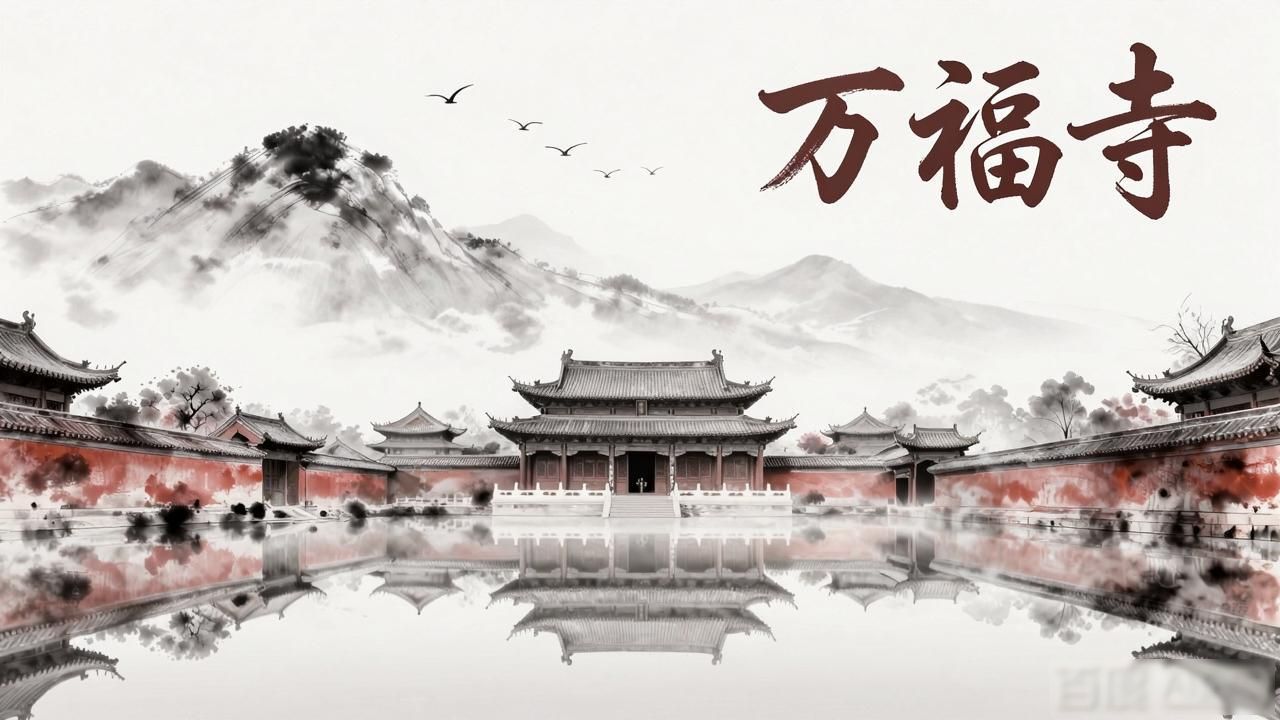
China’s old towns are not just about cobblestone streets and traditional architecture—they are living museums of faith, culture, and history. At the heart of many of these ancient settlements stand temples that have witnessed centuries of change. These sacred spaces offer a unique window into the spiritual life of the Chinese people, blending local customs, religious practices, and architectural mastery. Whether you are a traveler seeking cultural depth or a history enthusiast,exploring old town temples in China is like stepping into a story that never grows old.
Why Do Old Towns Still Have Active Temples
Many visitors wonder why temples in old towns are not just tourist attractions but still function as places of worship. The answer lies in the deep-rooted connection between local communities and their spiritual traditions. In towns like Lijiang, Pingyao, and Zhouzhuang, temples remain the center of daily life. Locals visit to pray for good fortune, celebrate festivals, or simply find a moment of peace. These temples are not frozen in time—they are alive.

Take the Mu Mansion Temple in Lijiang, for example. It blends Naxi culture with Tibetan Buddhism and Taoism. Every morning, incense smoke rises as elderly residents perform rituals passed down for generations. The temple is not just a building; it is a heartbeat of the community. This living tradition is what makes old town temples so different from museums. You can feel the energy, hear the chants, and even join a ceremony if you are respectful.
Another reason is the role of temples in local festivals. During the Lantern Festival in Pingyao, the Temple of the City God becomes a stage for opera, lantern displays, and food stalls. These events draw both locals and tourists, creating a vibrant cultural exchange. The temples are not isolated relics—they are gathering places that keep traditions alive.
What Can You Expect Inside These Ancient Temples
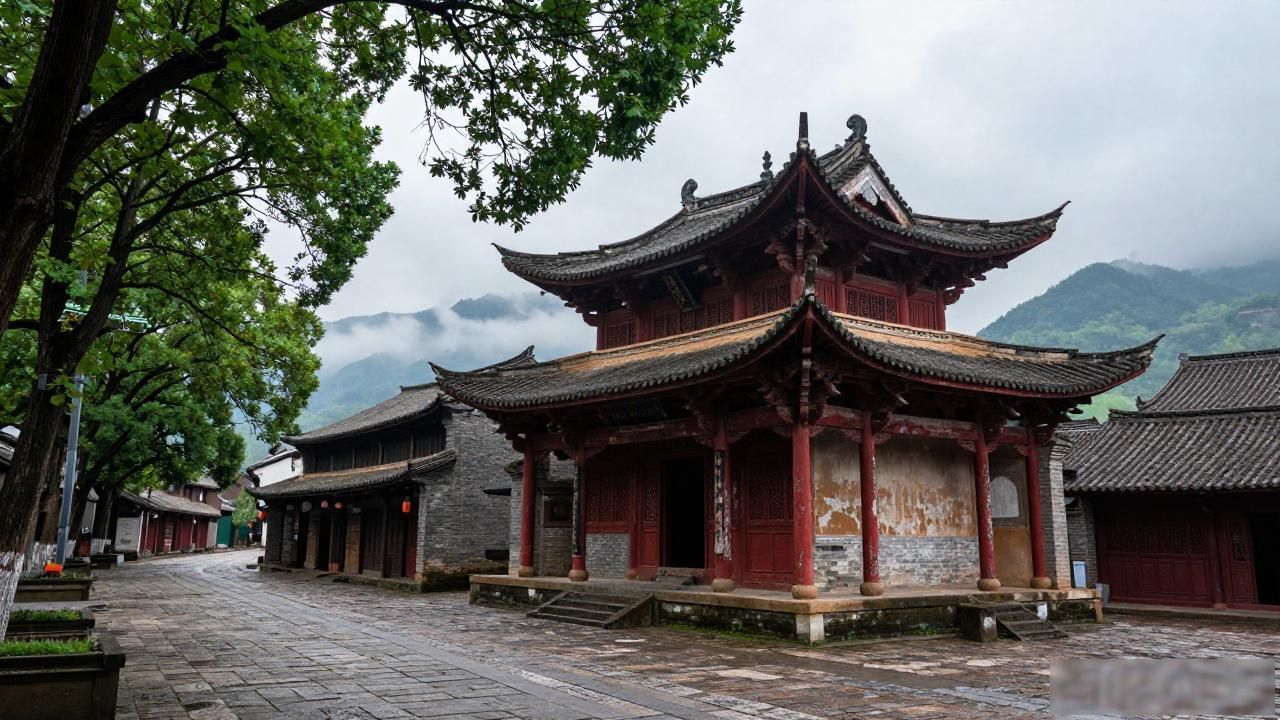
Walking into an old town temple in China is a sensory experience. The first thing you notice is the layout—most follow a symmetrical design with courtyards, halls, and pagodas. The main hall usually houses the primary deity, while side halls are dedicated to lesser gods or ancestors. The architecture itself tells a story. Carved beams, painted ceilings, and stone lions are not just decorations—they symbolize protection, prosperity, and balance.
In the Temple of the Jade Emperor in Zhouzhuang, you can find intricate wood carvings that depict scenes from Chinese mythology. Each carving has a meaning—cranes for longevity, dragons for power, and lotus flowers for purity. These details are often overlooked but they reveal the deep symbolism embedded in every corner. If you take your time, you will notice that even the placement of statues follows strict rules based on feng shui.
The atmosphere inside is calm yet mysterious. Incense sticks burn slowly, filling the air with a sweet, earthy scent. Monks or temple keepers may be chanting sutras, their voices echoing off the ancient walls. You might see offerings of fruit, tea, or money placed on altars. Don’t be afraid to observe quietly—most temples welcome visitors as long as you are respectful. Some temples even have small museums or gardens where you can sit and reflect.
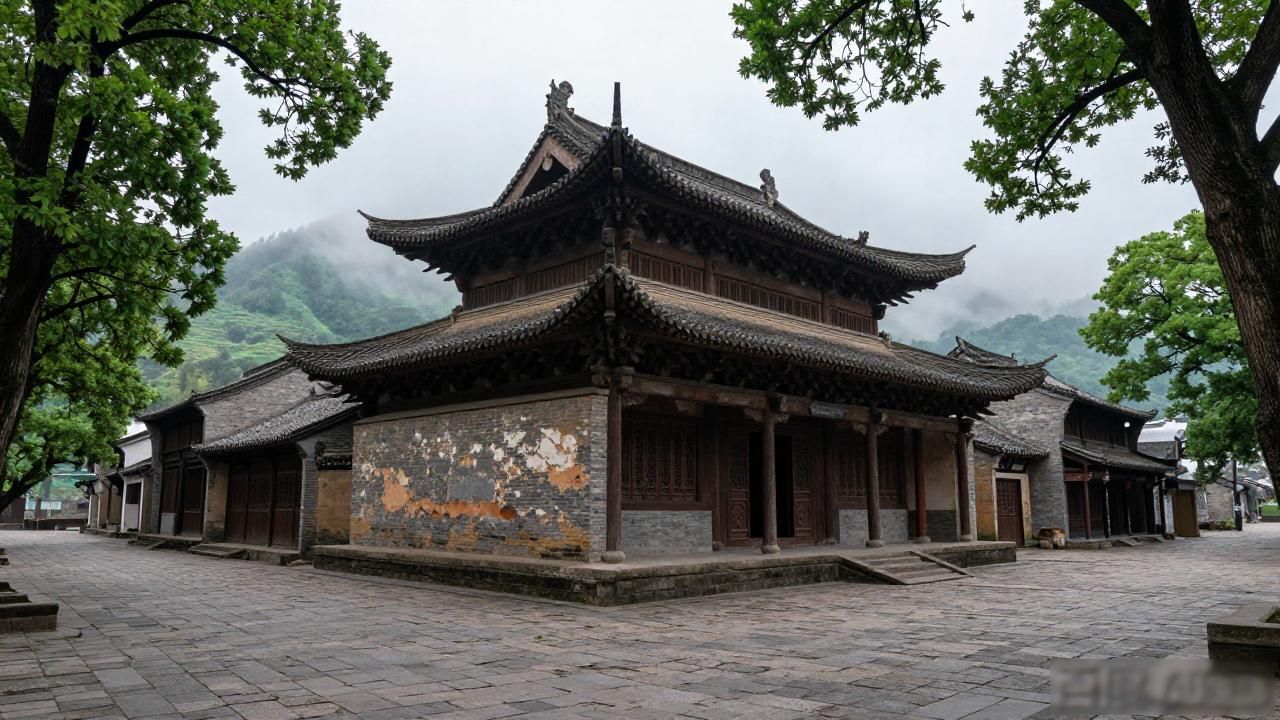
These temples are not just for praying—they are for learning. Many have information boards in English explaining the history and significance of specific halls or statues. Some offer guided tours or workshops on calligraphy, tea ceremony, or meditation. If you are lucky, you might witness a traditional wedding or a coming-of-age ceremony being held in the temple courtyard. It is a rare chance to see how ancient traditions continue in modern China.
Old town temples are more than just beautiful buildings—they are bridges between the past and the present. They remind us that spirituality and community can thrive even in a fast-changing world. Whether you are lighting an incense stick for good luck or simply admiring the craftsmanship, these temples offer something for every traveler. So next time you wander through an old town in China, step inside a temple. You might just find a piece of history that speaks to your soul.