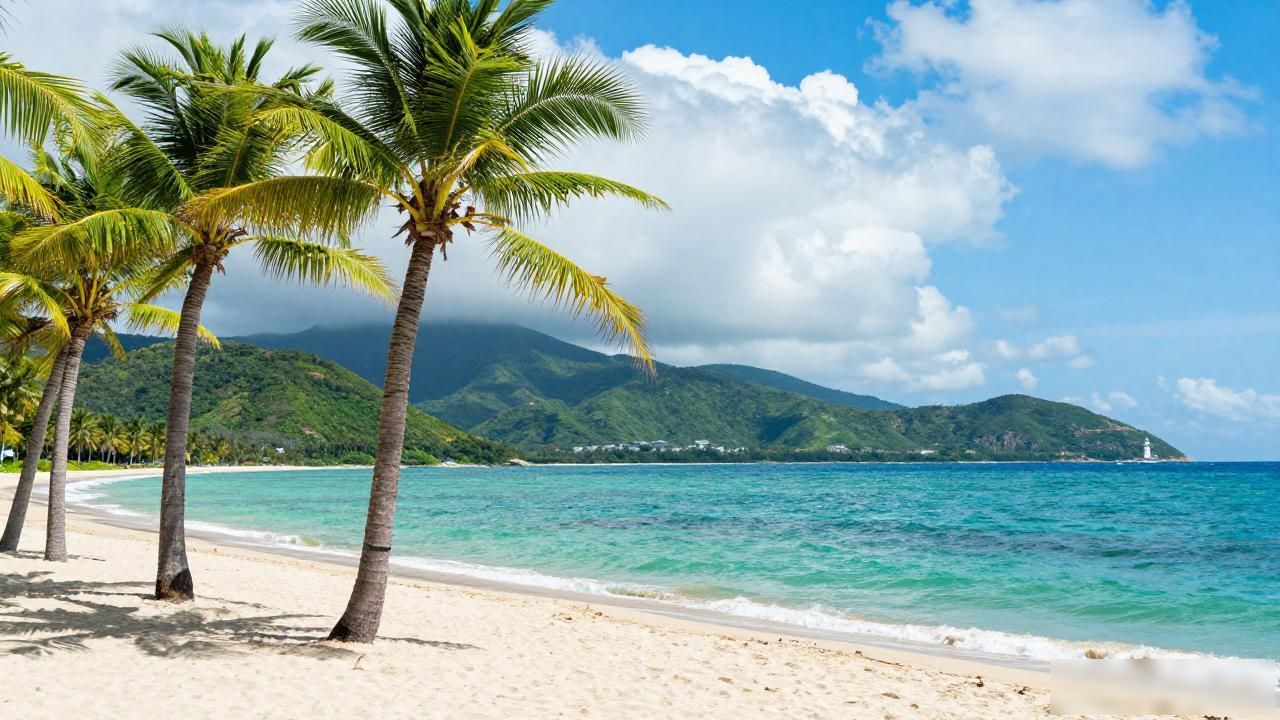
Most people picture tropical China as a Hainan beach resort with coconut drinks and sunset photos. That’s a fraction of what the region actually offers. The humid, lush south—stretching from the Hainan coast to the karst valleys of southern Guangxi—carries a completely different rhythm from the dry north. I’ve spent four months wandering those low latitudes, and the landscape here rewards patience far more than Instagram speed.
Where Is Tropical China Really

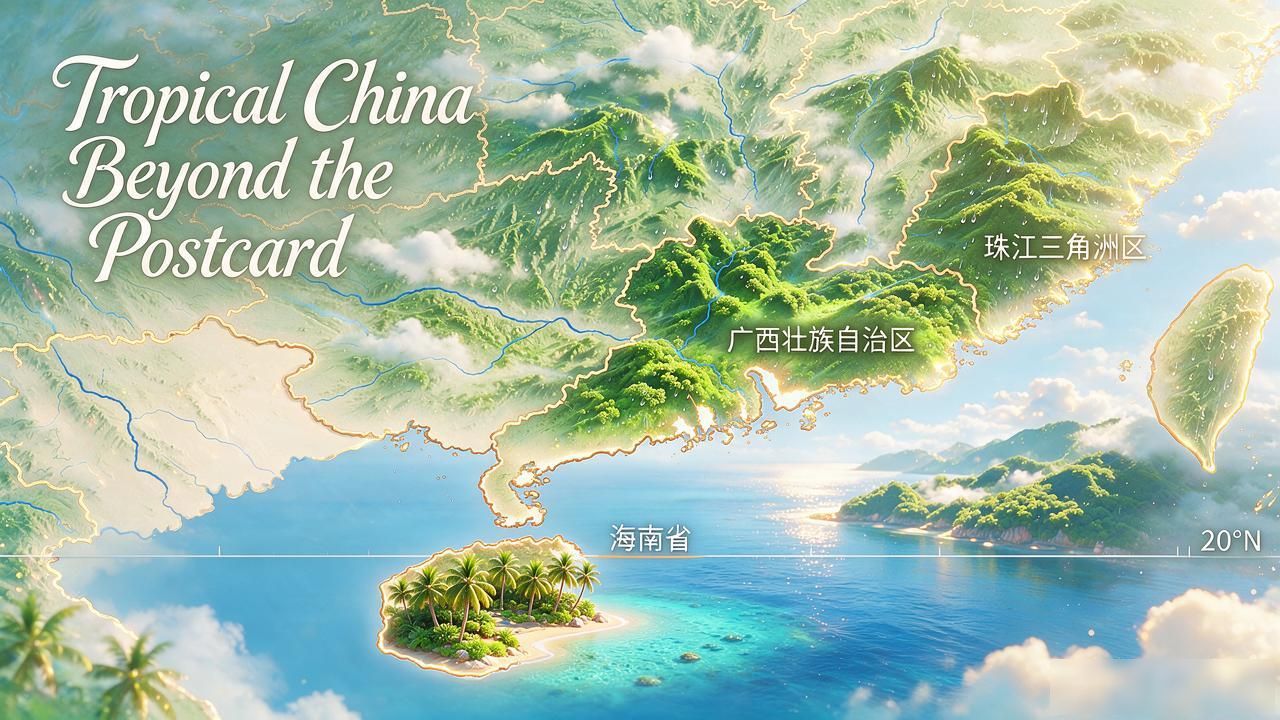
The line on a map isn’t as neat as a textbook suggests. Hainan sits below 20°N, giving it year-round warmth and a genuine tropical climate. But the humid subtropical zone stretches north into Guangxi and the Pearl River Delta, where monsoon season turns everything electric green by late June. The real tropical feeling kicks in south of the Qinling-Huai River line, yet the most vivid rainforest pockets are squeezed into Hainan’s forested interior and the upper reaches of the Li River.
You’ll notice the difference in the air, not just on the thermometer. In Chongqing at roughly the same latitude as Miami, it’s dry and grey for months. In Sanya,the humidity sits at 85% and the trees drop flowers three times a year. That constant moisture shapes everything—cuisine, architecture, even how locals hang their laundry indoors.
Is Tropical China Worth the Visit
Here’s the thing nobody tells you: the tropical label attracts sun-seekers, but the region’s actual soul lives in its wet seasons and hidden highland valleys. Mengyang in southern Guangxi holds bamboo forests and ethnic water villages that no coastal resort can fake. Hainan’s Wanning coast is quieter than Sanya, with black-sand beaches and a fishing culture that hasn’t been smoothed over by mass tourism yet.
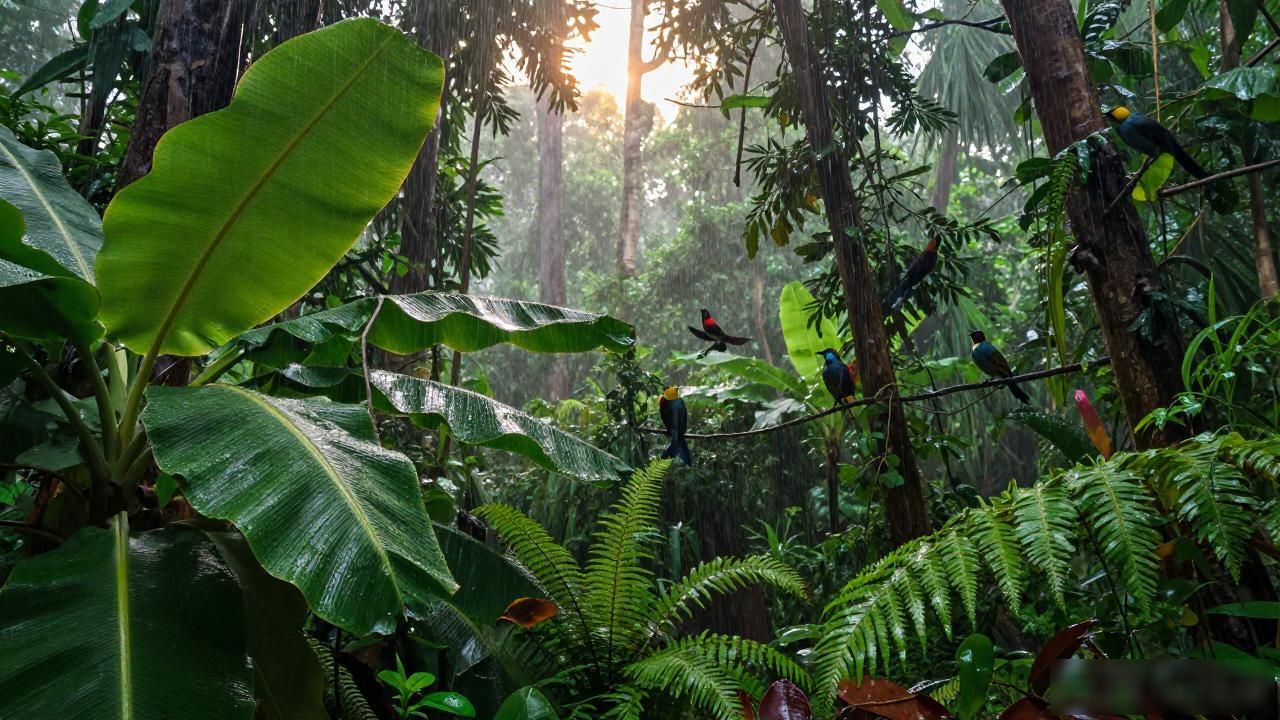
Pack for rain, not just sun. A July trip to Xishuangbanna means 200 mm of monsoon downpours in a single afternoon, but the jungle stepping out after the storm is the most alive I’ve seen anywhere in Asia. The air smells like wet earth and crushed leaves, and the birds come back louder.
Tropical China isn’t one place or one experience. It’s a slow, humid, stubbornly green stretch of land that resists being reduced to a resort brochure. Go south, stay long, and let the rain teach you the pace the region actually moves at.