
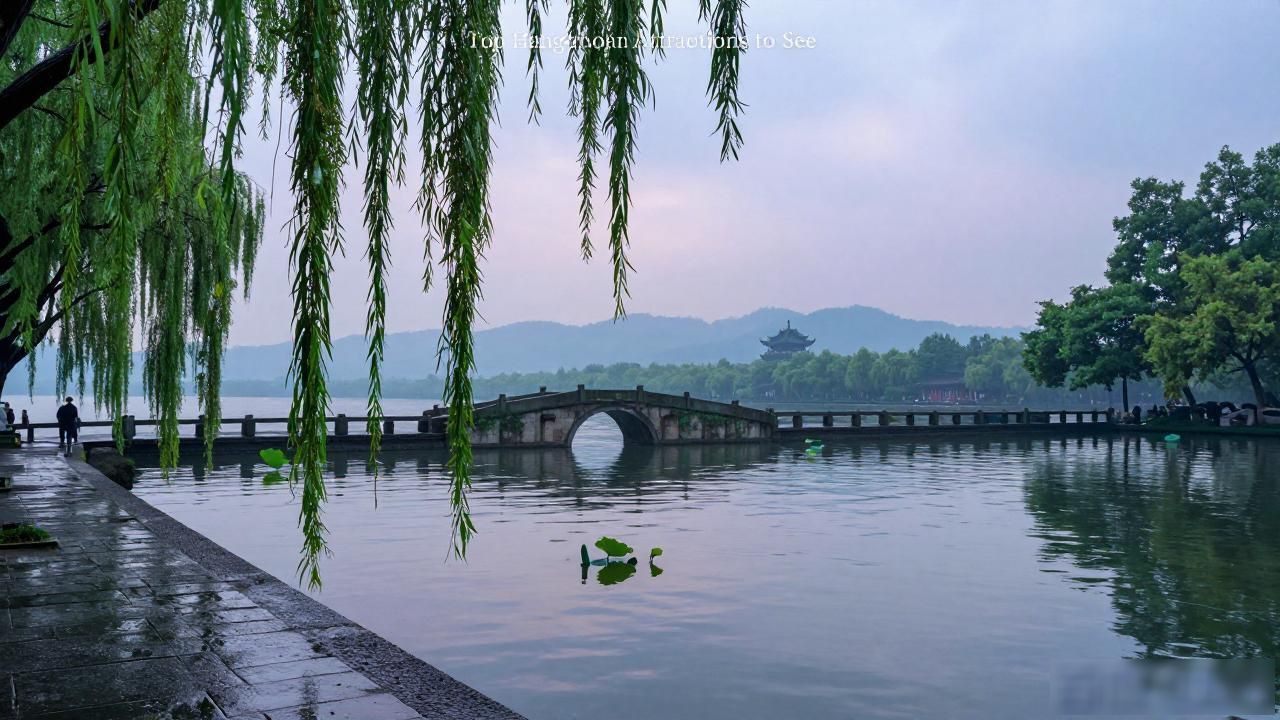
Hangzhou sits on the edge of China’s eastern coast where flat rice paddies meet rolling hills, and it has drawn travelers for over a thousand years. The city’s tourism attractions blend water, stone, and tea culture into experiences that feel surprisingly quiet even in a country known for its energy. You don’t need a full week here; two or three well-spent days cover the real highlights without the pace turning frantic.
Which Hangzhou tourism attractions to see

The West Lake still dominates most itineraries, and for good reason. Walking its 15-kilometer loop at dawn beats any sunset photo op you’ll see on social media—the willows drip wet, the lotus pools are still, and you’ll have the stone bridges mostly to yourself. Beyond the lake, Lingyin Temple nestles in a cypress forest on the hills, its incense smoke curling through gaps in the branches while monks sweep centuries of fallen leaves with bamboo brooms.
The Xiaoheshi River offers a completely different rhythm from the lake. You can hop on a hand-pulled sampan, drink longjing tea at a waterside stall, and watch old canal architecture slide past without a single selfie stick in sight. It’s the kind of slow, unhurried pace that makes the whole trip feel less like ticking boxes and more like actually living in the city for a weekend.

Best season for Hangzhou tourism attractions
April through early June is the sweet spot. The camellias and wisteria are in full color along the paths, and the oppressive humidity hasn’t kicked in yet. September and early October are the runner-up—crisp air, golden ginkgo lining the lake roads, and far fewer domestic holiday crowds than the May 1st week brings.
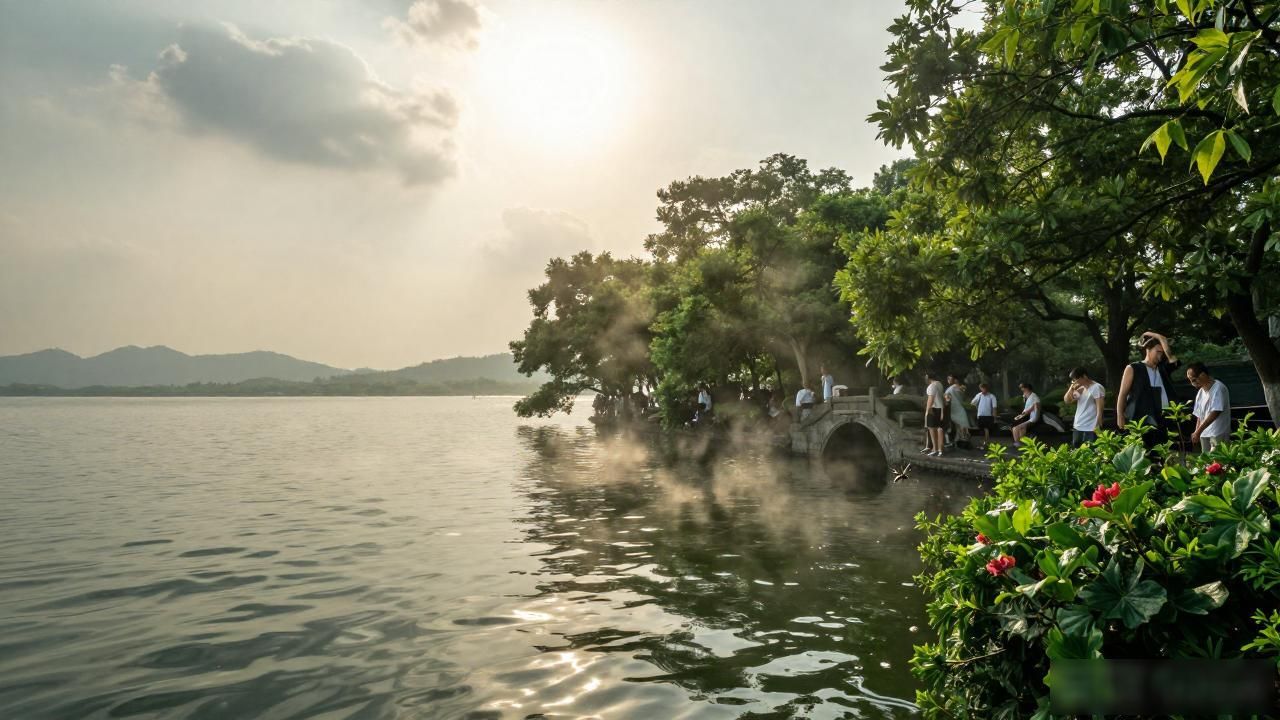
July and August turn the whole city into a steam bath; the lake water warms to nearly 30 degrees and the mosquitoes around Huagang Park are relentless. If you can only visit once,aim for the shoulder months and your knees will thank you.
Three days is genuinely enough if you base yourself near the West Lake and walk rather than drive. Grab a paper map at your hotel, ignore the tour-bus lines, and just let the spring rain do its thing over the old pagodas.