
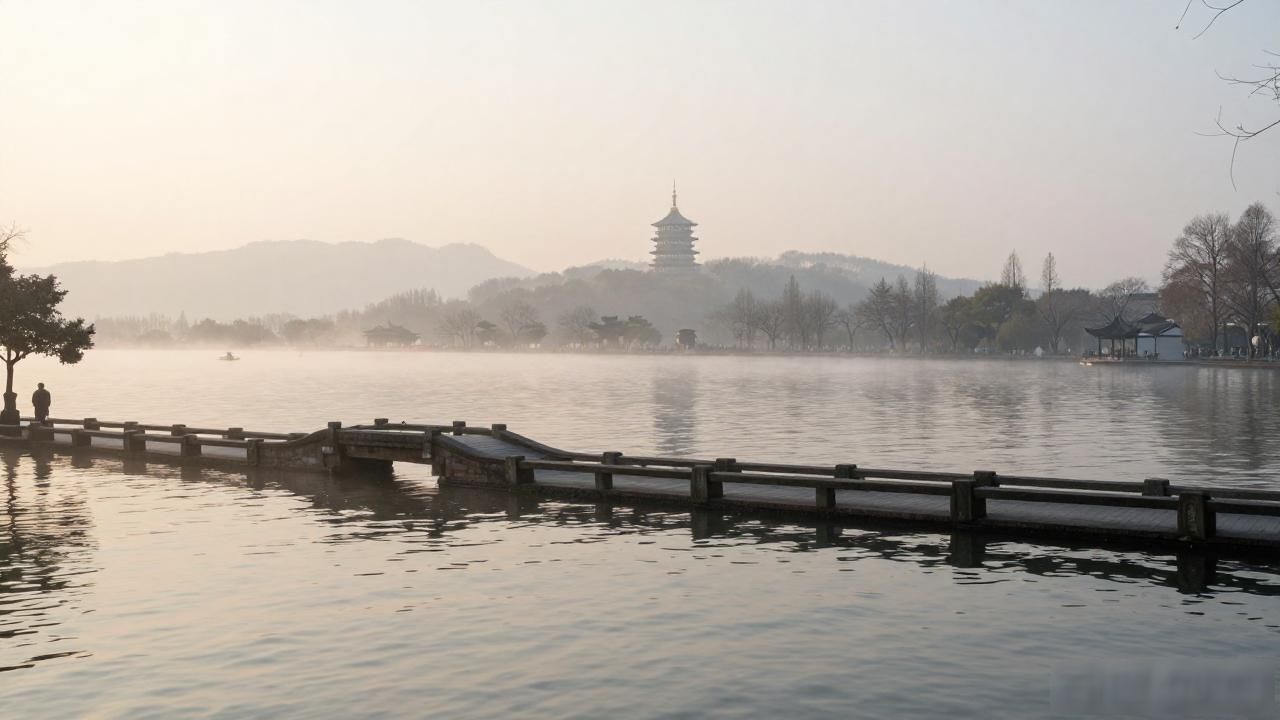
Everyone who lands in Hangzhou with a camera already knows the city is practically built for photography. Misty peaks, jade-green water, and centuries-old temple architecture create compositions that demand a shutter click before you even set your feet on the ground. What most travelers actually miss is knowing exactly where to stand and which hour of the day makes the light work for you. This is a practical breakdown of the spots and timing that turn good snapshots into frames you’ll keep.
Which Hangzhou travel photography spots to shoot

Skip the crowded lakeside promenade at noon and head to Su Causeway in the early morning instead. The low mist hovering between the seven stone bridges layers the water into soft horizontal bands. Walk east toward Bai Causeway and the distant pagoda silhouettes against a pale winter sky give you clean, minimal compositions that flat midday light simply cannot.
Beyond the lake, Lingyin Temple tucked into the limestone hills offers dramatic scale and texture. Shoot from the lower courtyard looking up at the cliff carvings, or find a side trail where dense bamboo groves frame the deep red temple walls. Hefu Lane at dusk, when the hand-painted paper lanterns flicker to life, delivers a warm, gritty street scene that contrasts sharply with the cool greens of the surrounding park.
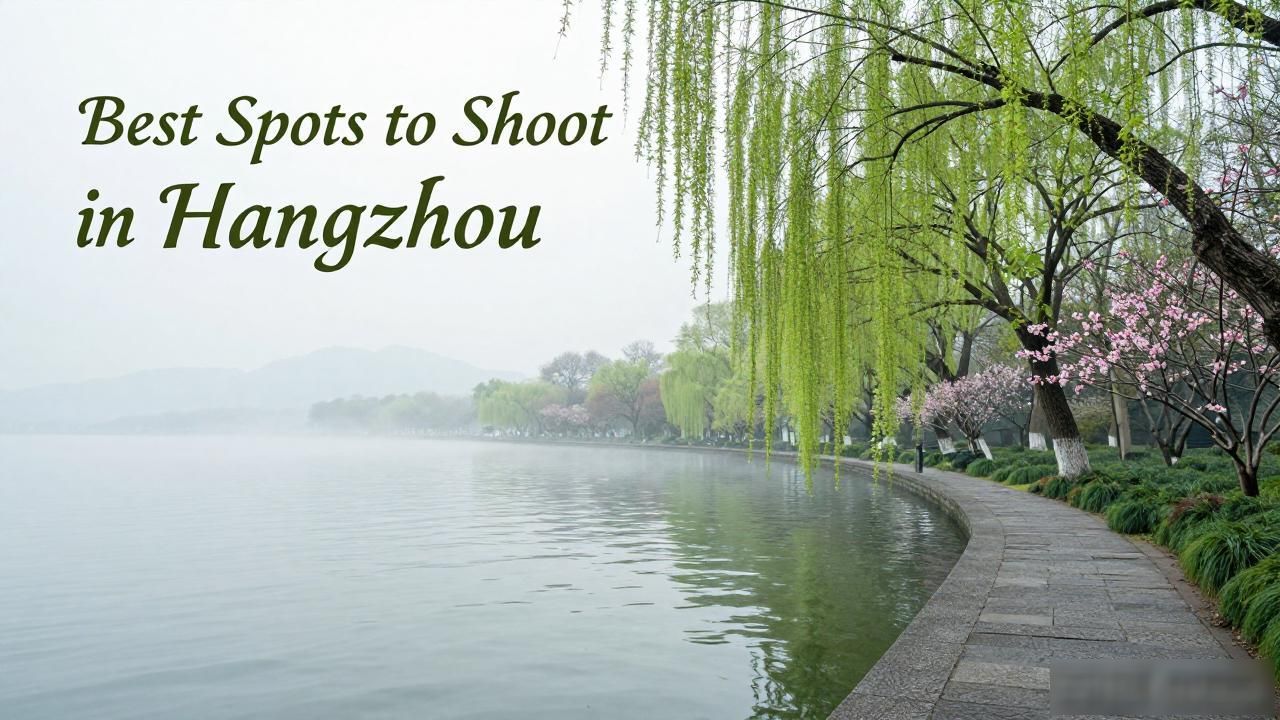
When to shoot Hangzhou travel photography spots
Late March through early April is the peak window. The wisteria at Xixi Wetland drapes over the water in thick purple curtains, and lotus buds just beginning to unfurl add color without the visual chaos of full summer bloom. If you are chasing osmanthus, October is the narrow window—find the small hillside temples where tiny golden flowers carpet the stone paths and the scent practically shows up in the light.
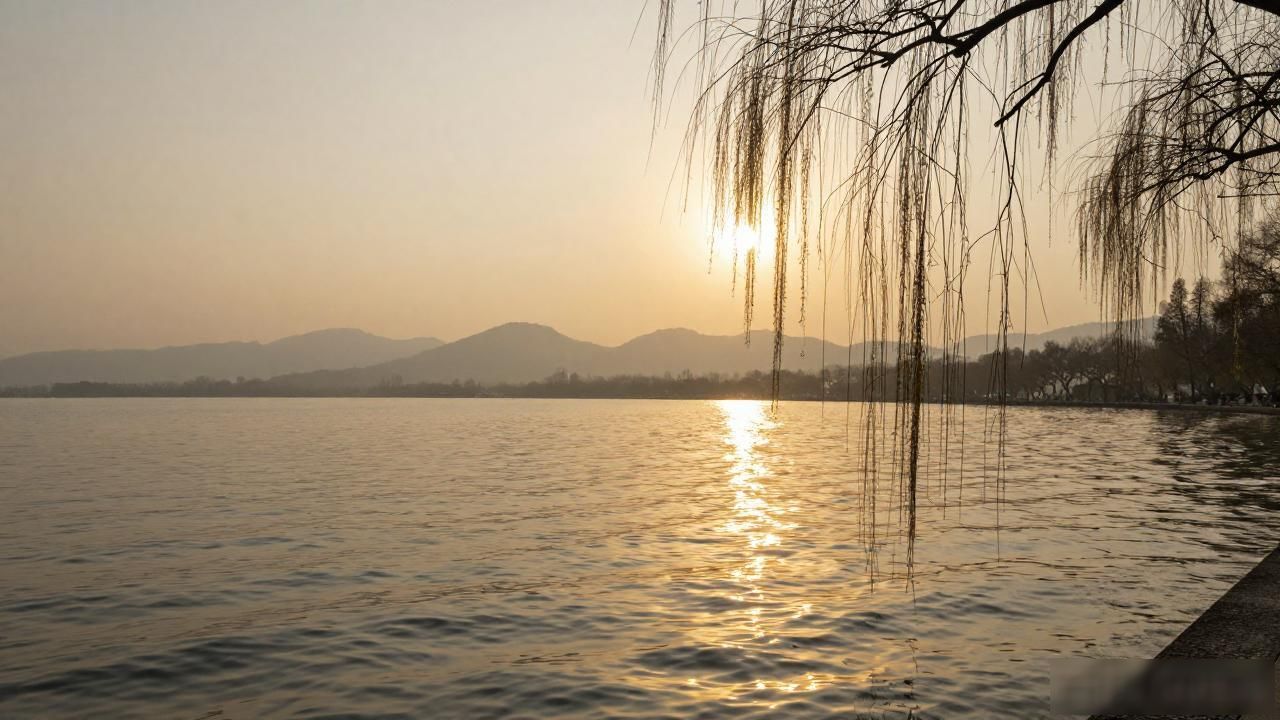
For lighting, golden hour in Hangzhou changes everything. The low sun rakes across West Lake and turns the surface into hammered gold with long shadows from the weeping willows. Winter mornings bring that famous misty look where the hills behind the lake dissolve into three or four soft gray layers. Bring a wide-angle lens for the panoramas and a 50mm for tight temple detail work.
You do not need to check off every single landmark on a map. Pick two or three spots that match the specific mood you are going for, time your visit around the light, and you will walk away with images that feel genuinely like Hangzhou rather than a stock photo. The city rewards patience and the right angle far more than it rewards speed.