
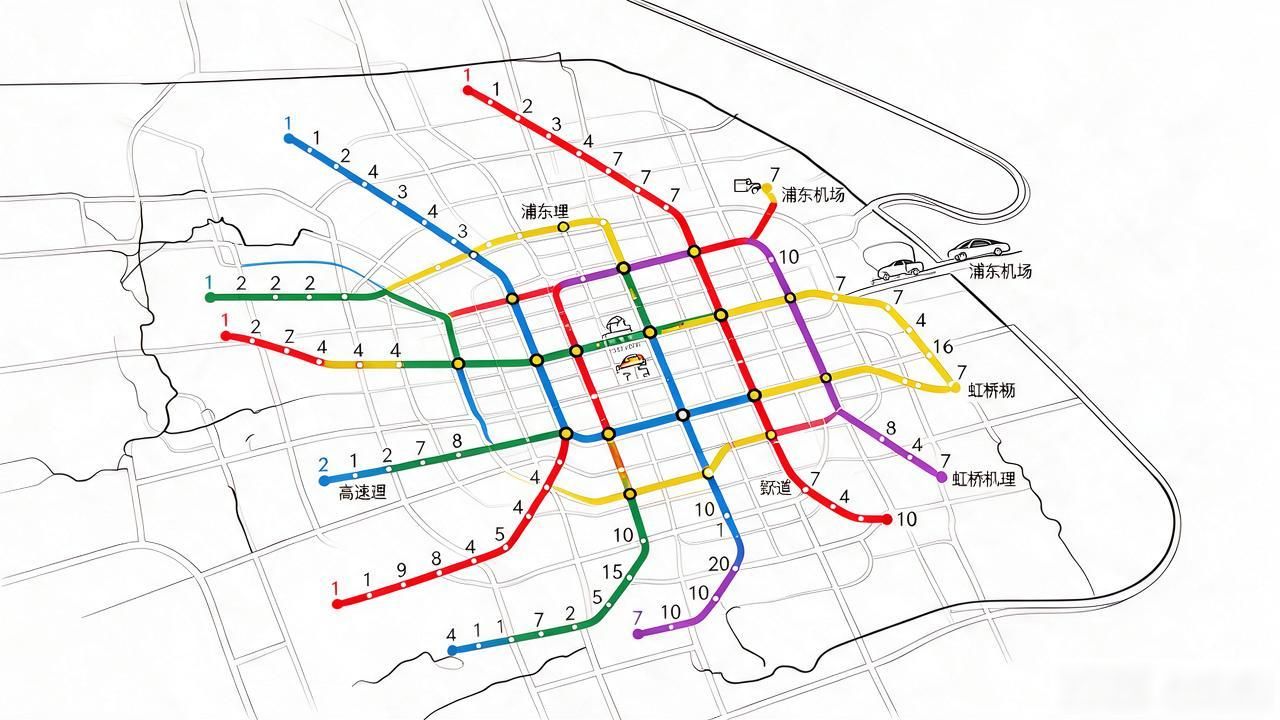
The Shanghai metro now stretches past 800 kilometers and links nearly every district of this sprawling city. For visitors or new residents, figuring out which Shanghai subway routes actually serve your stop saves you from half an hour of confused walking. I’ve been riding these lines daily for over a decade,and the network is far more logical than most foreigners assume on arrival.
How Many Shanghai Subway Routes Exist

As of 2026 the network runs 20 numbered lines plus several short branch extensions. The backbone lines—1, 2, 4, 7, and 10—slice the city diagonally and connect Pudong Airport, Hongqiao, and both major high-speed rail hubs. Each line carries a single color on the printed maps, so spotting a transfer point becomes a matter of matching two color dots rather than memorizing numbers.
What catches newcomers off guard is that Line 2 and Line 10 overlap through the Jing’an–Jingxi–People’s Square corridor, meaning you can switch between them at three mid-city stops without detouring to a dedicated transfer platform. That redundancy is genuinely useful on days when one line is closed for track maintenance.
Shanghai Subway Routes Transfer Cost
The fare structure is distance-based: a single trip runs anywhere from ¥3 to ¥9 depending on how many stations you cross. Transfers completed within 90 minutes cost nothing extra—the turnstile simply releases you at no additional charge. Pick up a Shanghai transportation IC card at any station exit; it knocks ¥2 off every boarding and works on buses and ferries too.
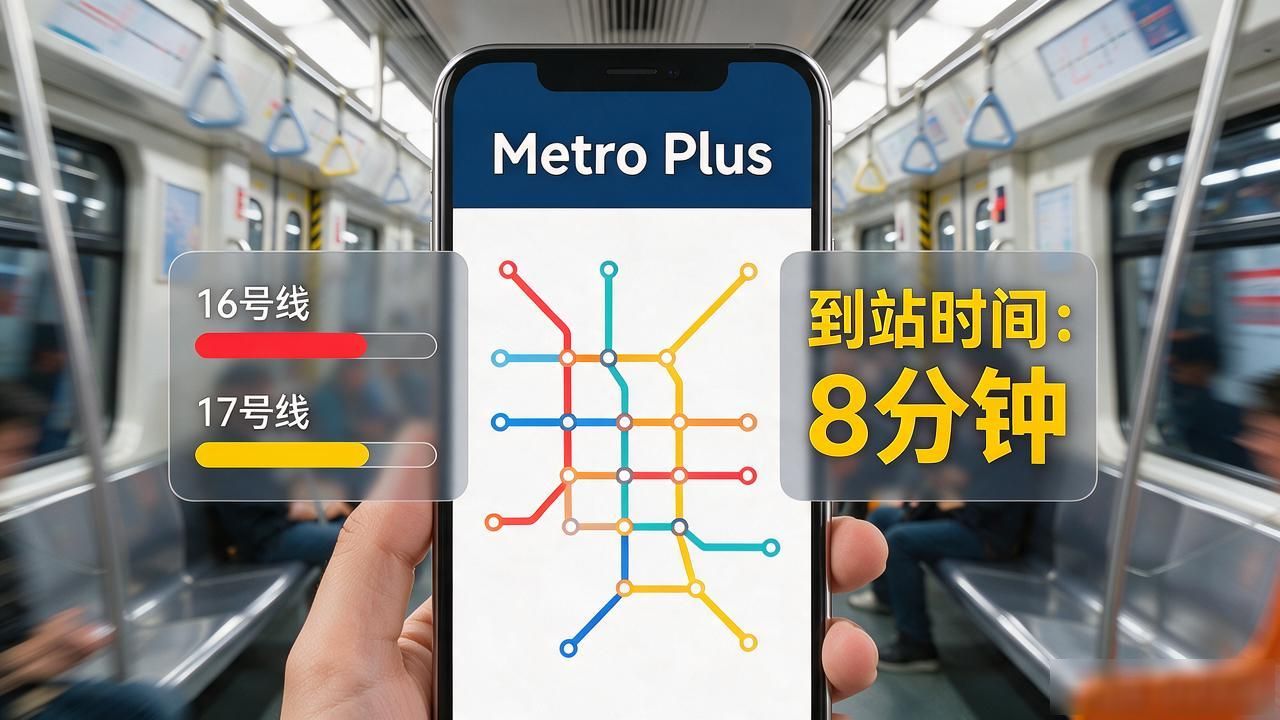
For planning ahead, the official “Metro Plus” app shows live crowding levels and next-train ETAs on every route. I always glance at it before heading out because Lines 16 and 17 run with headways stretching to eight minutes during off-peak, which completely reshapes how you sequence a two-line journey from the outer ring inward.
Grab a physical color map from any ticket booth and fold it into your wallet. After your second or third ride the coding clicks, and moving through Shanghai by underground rail turns into something about as routine as checking the weather on your phone.