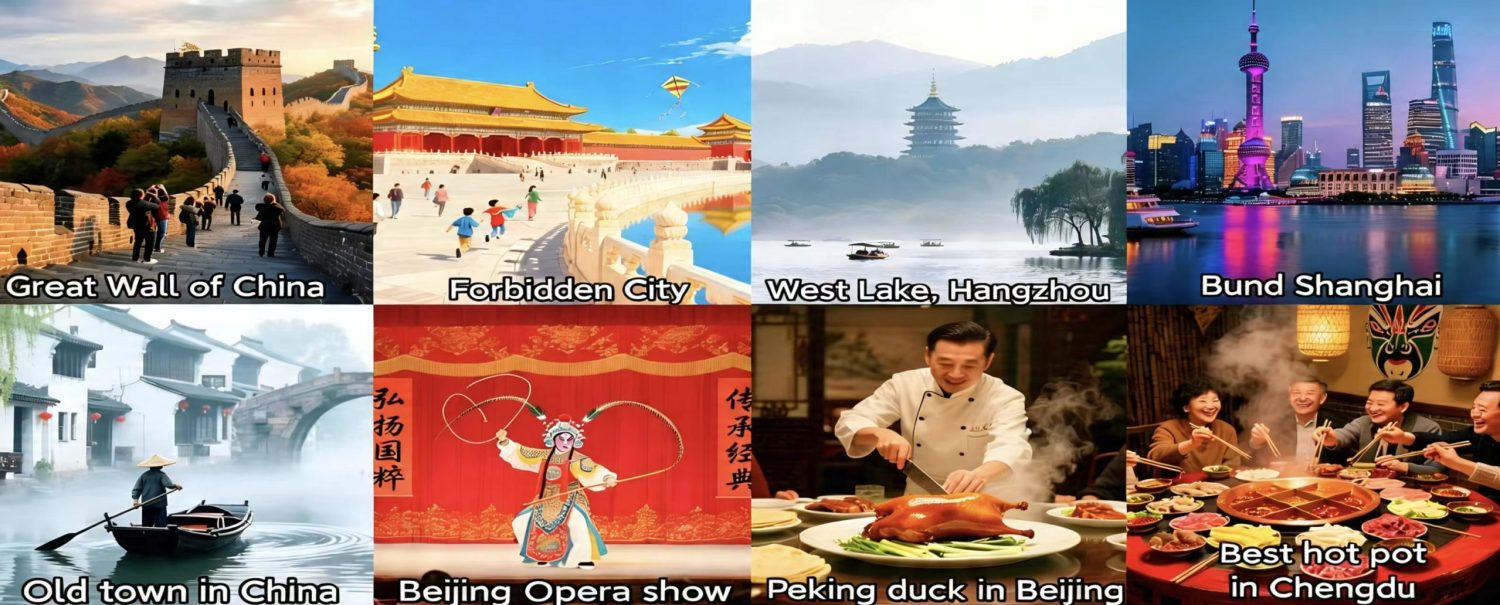
The Forbidden City isn’t just a museum of dusty artifacts. Each season the palace complex fills with cultural events that pull back the curtain on six centuries of imperial life—calligraphy workshops on marble floors, lantern-making in the Hall of Merit and Virtue, traditional opera nights that echo off the red walls. If you’re planning a trip to Beijing, knowing what’s actually on can make or break your visit.
Which Forbidden City events are free
Most permanent exhibition blocks cost around fifty yuan, but the special cultural programming is where things get genuinely interesting. The seasonal festival events—like the Mid-Autumn lantern display or the Spring Festival calligraphy corridor—are usually bundled into your general admission ticket, so you aren’t paying extra. What does cost money are the hands-on workshops: a two-hour ink painting session runs roughly 120 to 180 yuan depending on the instructor and the materials they use.
A practical tip that saved me hours last spring: the east-wing craft demonstrations (silk weaving, bronze casting) rotate monthly, and the updated schedule is only posted at the gate two weeks before. Snap a photo of the notice board the day you arrive, because the official website lags behind by a week or more.
When do Forbidden City events happen
The palace runs extended cultural programming during peak festival weeks—Chinese New Year, Dragon Boat Festival, Mid-Autumn—and the courtyard concerts typically kick off at 10 a.m. and 2 p.m. to dodge the fifteen-minute security surge that hits right after 9:15. Outside festival season, weekday mornings are quiet enough that you can actually watch a scholar demonstrate scroll mounting in the Qianjing Palace without a crowd of forty phones in your face.
One thing the tourist brochures never mention: the north gate entrance is less crowded for cultural event attendees. Staff walk you through a separate security lane, and you’ll spend maybe three minutes instead of the twenty-plus at the south gate. Worth the extra walk if you’re heading straight for a 10 a.m. workshop.
The Forbidden City’s cultural calendar keeps shifting year to year, but the rhythm stays the same—quiet scholarly displays in winter,bold public performances in summer. Pick a date, check the gate board that morning, and let the two-thousand rooms do the rest.