
Traditional Chinese food spans thousands of years and dozens of regional styles, from the fiery street stalls of Sichuan to the delicate dim sum carts of Canton. For a foreign palate encountering it for the first time, the sheer variety can feel overwhelming. Yet at its heart, the cuisine revolves around one principle: balancing flavor, texture, and nourishment on a single plate.
What Makes Traditional Chinese Food Unique

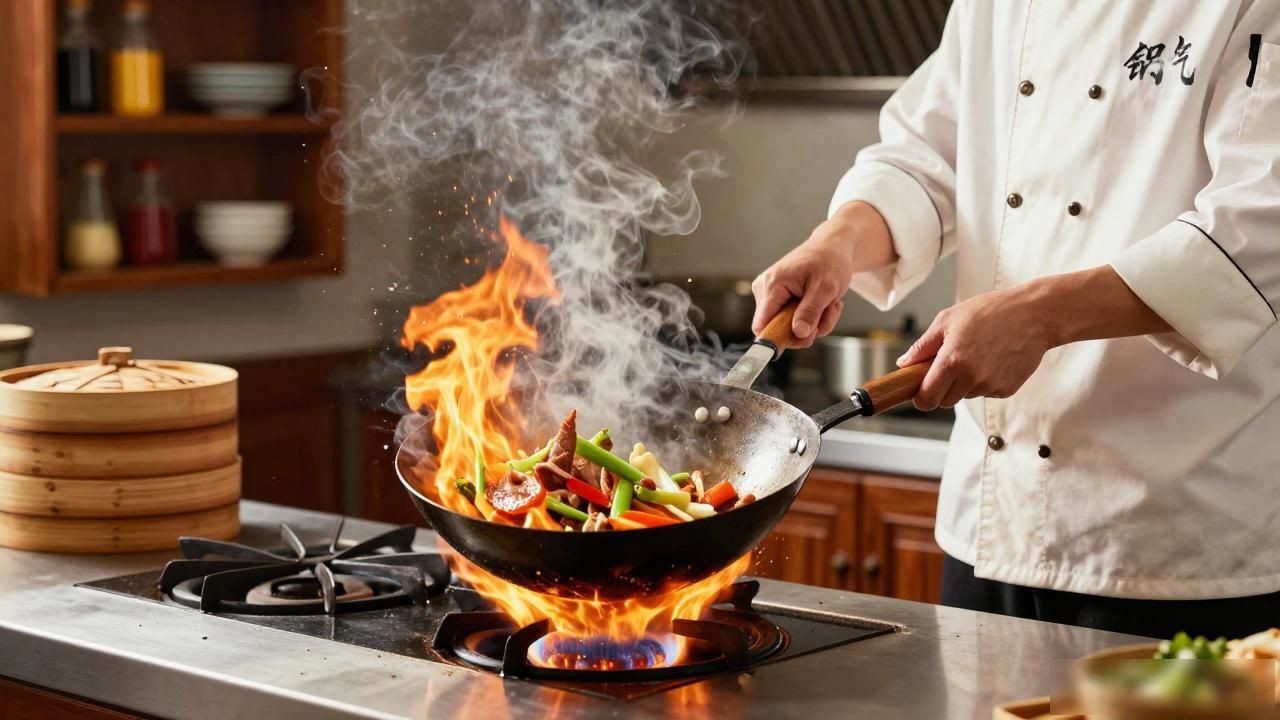
The Wok Hei or breathing of the wok is what separates a home-style stir-fry from a Michelin-starred plate. Chefs flash-sear vegetables and proteins at temperatures above 200 degrees, locking in a smoky, almost charred aroma that no oven can replicate. Wok Hei gives every dish a layer of depth you simply cannot find in Western cooking, where flavors are often built through slow braising or heavy sauces.
Beyond technique, the philosophy of yin and yang shapes the entire menu. A hot,spicy Mapo Tofu is paired with a cooling cucumber salad at the same table. Soups warm the body in winter while light congees refresh it in summer. This isn’t just seasoning logic; it is a whole health system encoded into what looks like an ordinary lunch. The bowl in front of you is doing double duty as a meal and a prescription.
Which Traditional Chinese Food Should You Try
Start with Peking duck, its lacquered skin shattered table-side and wrapped in paper-thin pancakes with scallions and sweet bean paste. The contrast of crispy fat, tender meat, and tangy sauce in one bite is something you need to experience to believe. The restaurant carves the duck in front of you, and the whole table passes the skin and meat in a choreographed dance. If duck feels too rich, switch to chow mein or a bowl of hand-pulled noodles in a clear, bone-marrow broth.
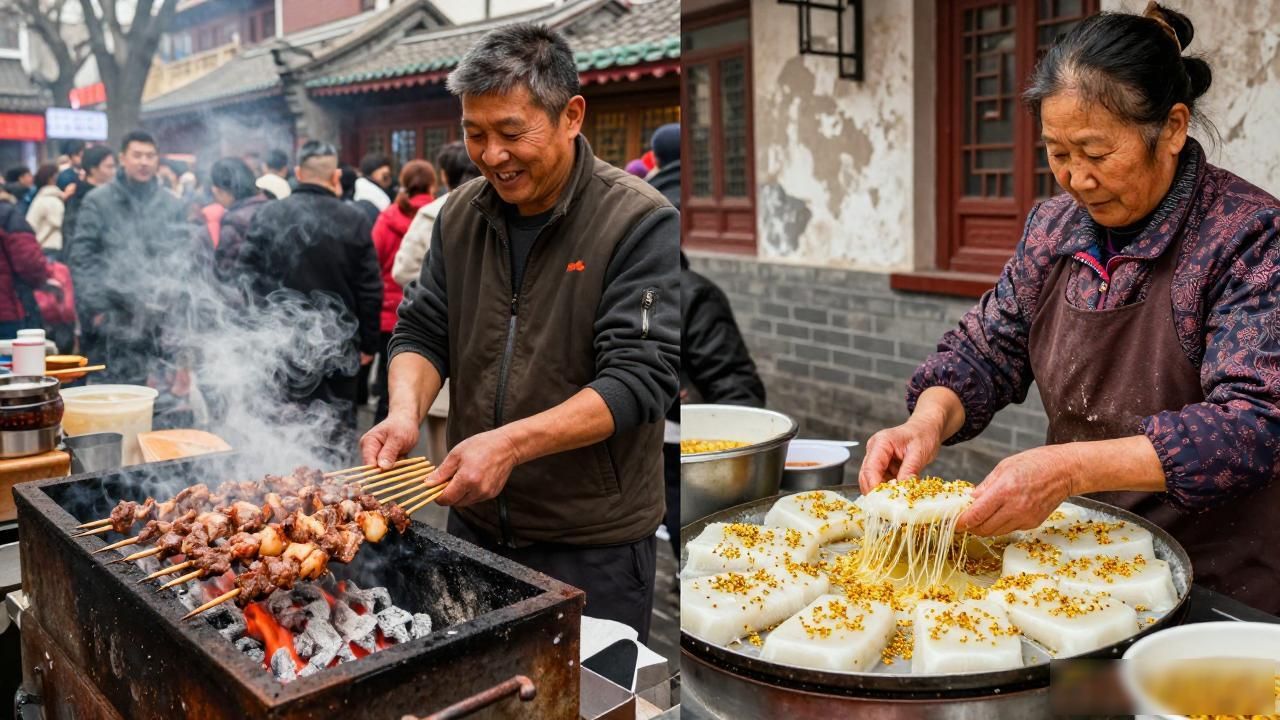
Street food is where the real culture lives. Grilled lamb skewers rotating over charcoal in Xinjiang, or the sticky-sweet osmanthus rice cakes sold in Shanghai’s old alleys, both tell stories no restaurant menu can capture. Try at least one vendor-prepared dish before you settle into a sit-down meal; the flavors hit differently when they’re still sizzling off the griddle.
You don’t need to memorize a five-course banquet to appreciate this cuisine. Show up hungry, point at what smells good, and let your fork do the talking. The plates will keep coming, and ten years from now, that first bowl of dumplings will still taste like home to you.