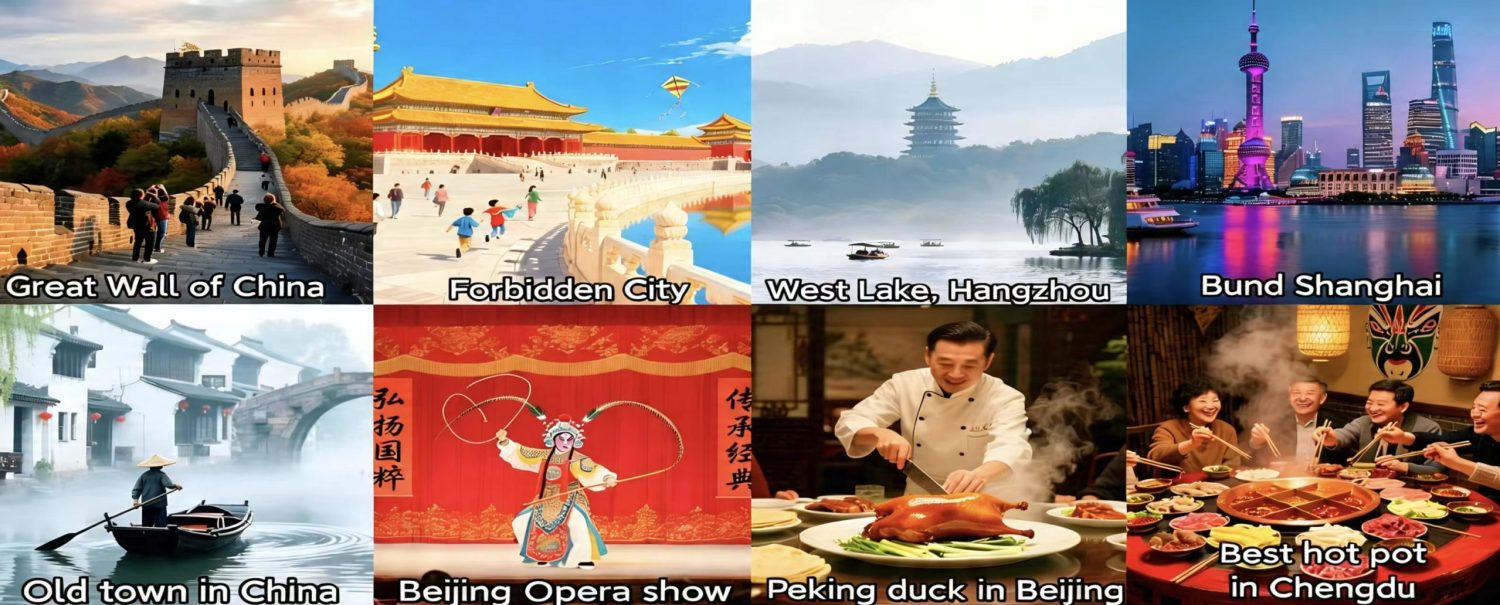
Hangzhou gets painted as one giant postcard of West Lake and pagodas. Anyone from abroad lands here expecting willow trees and tea ceremonies. But the city that actually makes me proud of living here sits in its alleyways, its smaller shrines, and its river paths that no travel brochure has touched yet. What I’m about to share are the spots where Hangzhou still breathes.
## What Makes These Unique Hangzhou Attractions Different

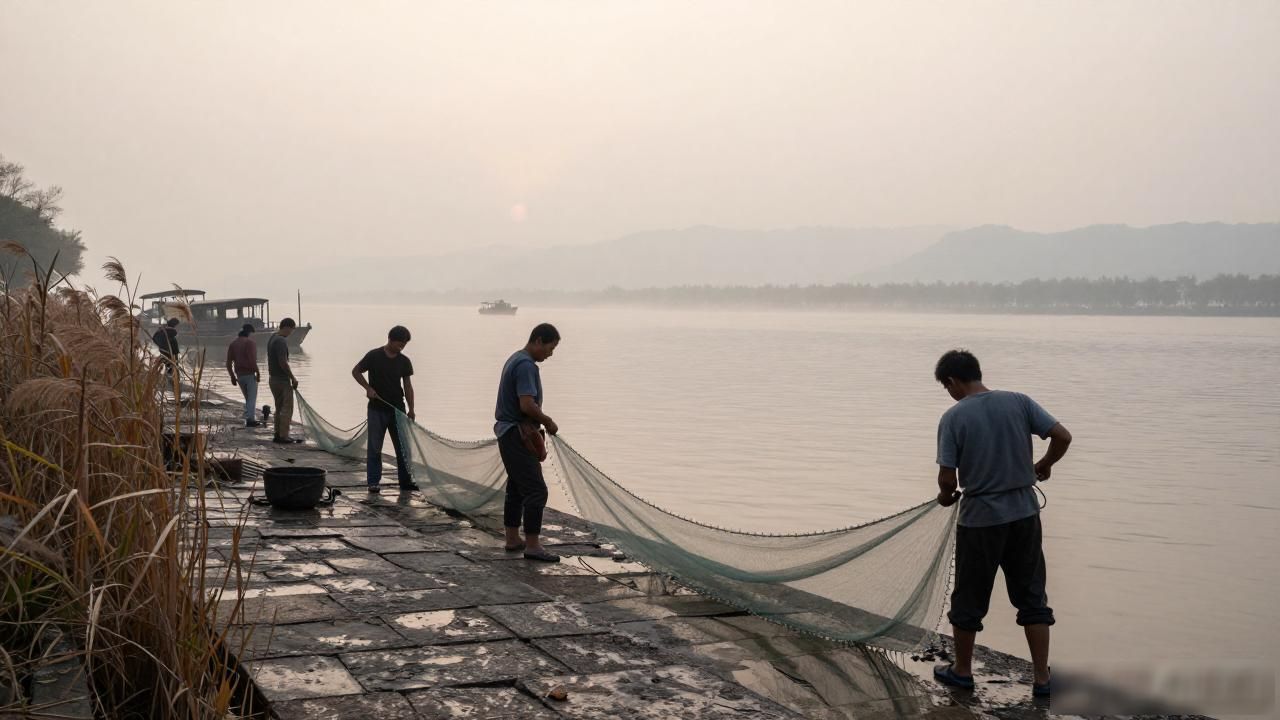
The Grand Canal at Qiantang is not the scenic waterway they teach you in school. At dawn, before the cruise boats flood in, you can walk the old stone embankment near Tongyi Town where fishers still haul their nets by hand. The smell of wet reeds and diesel mixes with something you can only call “old water.” No one queues for a selfie here. The silence is part of the experience.
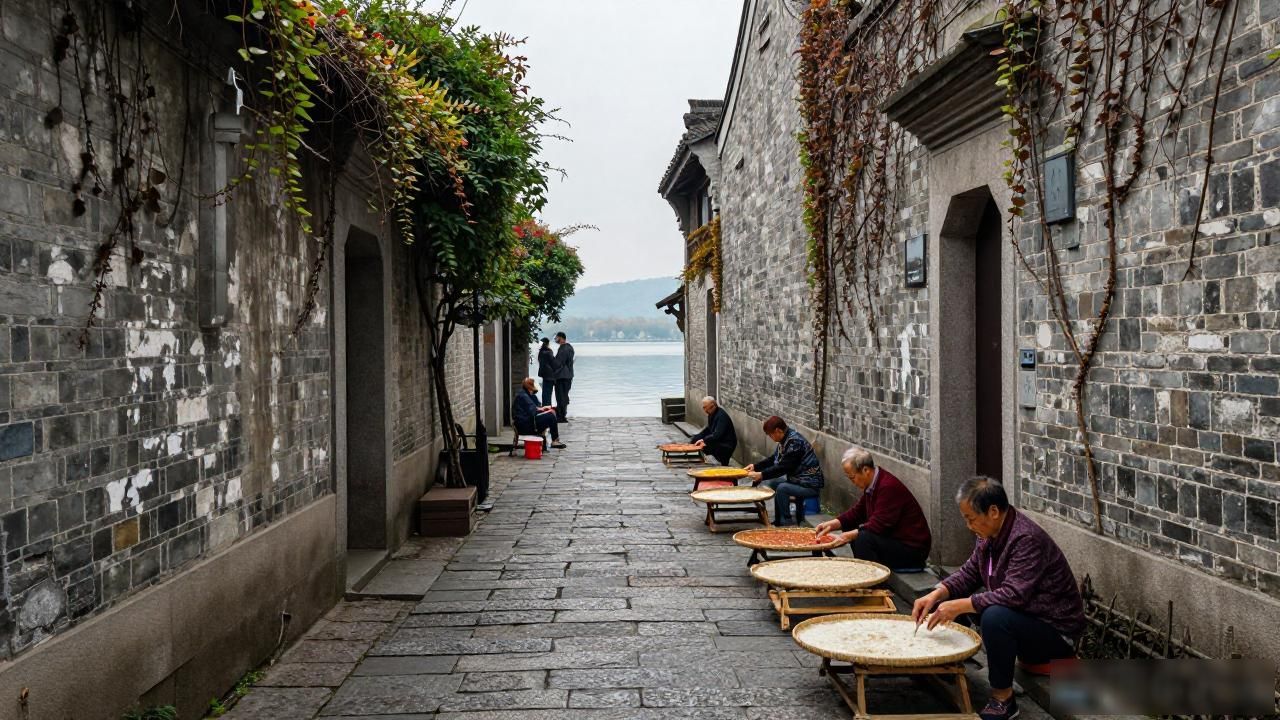
Beyond the canal, the Longjing village paths in autumn feel nothing like the crowded tea-picking season. In November, the terraced slopes turn amber, and the small family-run teahouses pour second-flush leaves into chipped ceramic cups. A grandmother in a padded jacket will quiz you on whether you know the difference between pre-Qingming and post-Qingming tea. She does not perform this for tourists. She is simply talking to you as a neighbor.
## Which Unique Hangzhou Attractions Are Easy to Reach
You do not need a car. The Meijiawu wetland sits right at the end of a metro line,and the boardwalk there crosses over rice paddies that most Hangzhou natives stopped caring about decades ago. In summer, the reeds tower over your head and the air is thick with mosquito repellent and wet soil. Children from nearby apartment blocks come here to catch frogs. It is messy, loud, and completely unphotogenic in the Instagram sense.
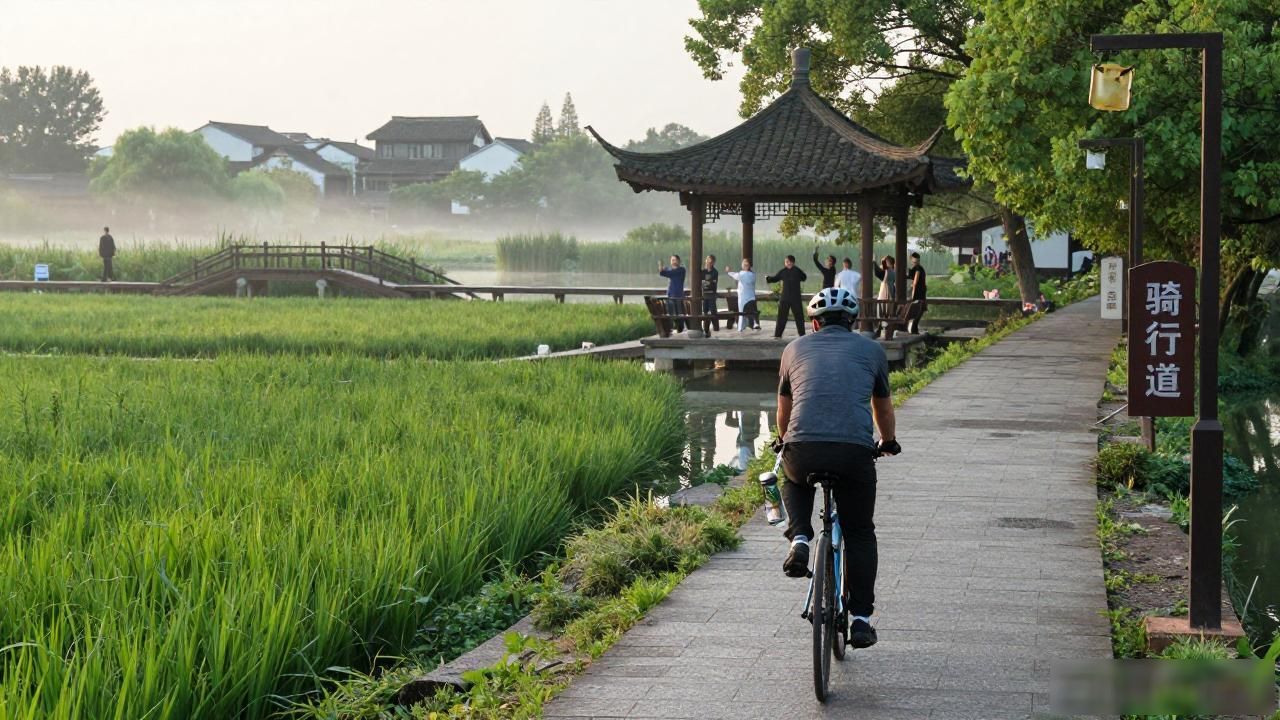
For something quieter, the Xixi Wetland north gate offers a cycling trail that loops past floating farms and a tiny water pavilion where locals practice qigong at 6 a.m. You will need a bicycle or a very long walk. The path is not signed in English, and the signage fades every spring. Bring water. The last convenience store is two kilometers back.
None of these spots will appear on a “Top 10 Hangzhou” list. They will not have translation placards or souvenir shops at the exit. But that is the point. You get to see the city the way its people actually spend a Tuesday afternoon, not a Monday holiday. Come curious, not checked.