
I’ve spent years going through textile fragments and court records from the Tang and Ming dynasties, and one thing is clear: most “Hanfu” you see sold online today has little to do with what was actually worn. The gap between historical accuracy and mass-produced cosplay is wider than most buyers realize. Here’s what genuinely separates Authentic Hanfu styles from costume knockoffs, pulled from hands-on research rather than marketing copy.
How to tell Authentic Hanfu styles apart

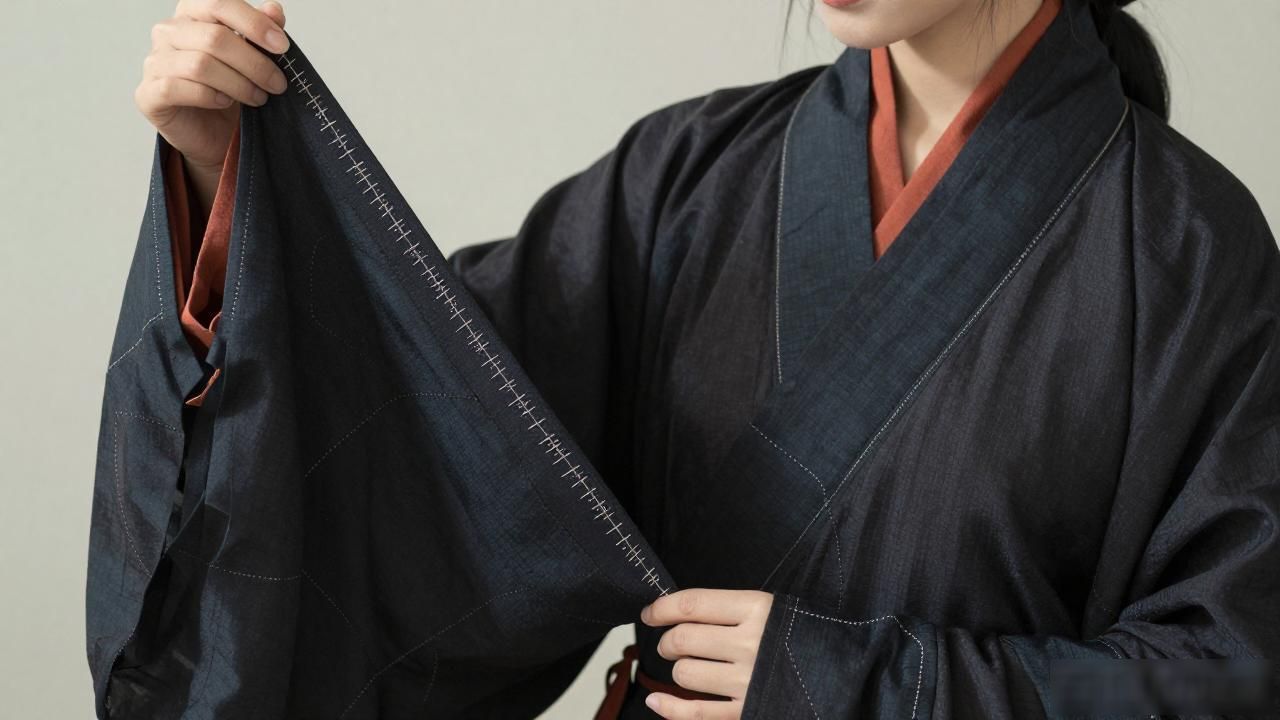
The stitching tells the story faster than any printed pattern. Genuine Ming-dynasty cross-collar robes used a technique called feng jie bu, where fabric scraps were butted together with a visible flat seam, not the lapped hems you see on fast-fashion versions. When you hold a piece up to light, you should see that clean, thin line running through the garment. No bulky serged edges, no raw selvage peeking out at the collar. A tailor who skips this step has saved you money and lost your trust in the same motion.
The drape of the fabric matters more than the print. Authentic pieces from the Song period favored undyed or single-dye cotton and hemp, draping close to the body with a soft, almost architectural fall. If a “Hanfu” billows like a Victorian crinoline with polyester sheen catching every streetlight on the way home, it’s a theatrical prop, not a historical garment. Run your palm flat against the material. It should feel dry, slightly rough, and weighted to the wrist.
Which Authentic Hanfu styles fit everyday life
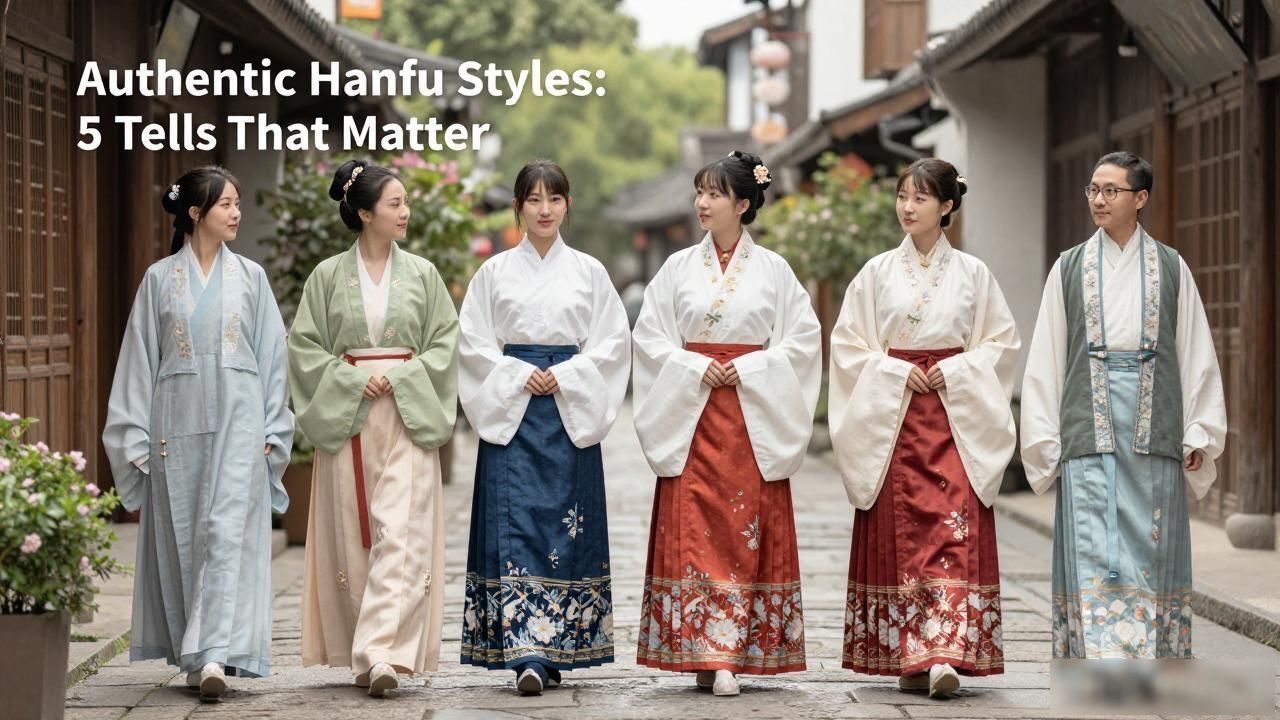
You don’t need a full five-piece court ensemble to wear something true. The Ming ru qun pairing—a short jacket over a high-waisted wrapped skirt—was the daily outfit for women across social classes, not just the imperial harem. It’s lightweight, requires no headwear beyond a simple hairpin, and the silhouette flows naturally while you walk,sit, or climb stairs. A man’s ao shan short tunic with wide trousers does the same job without looking staged or photographed.
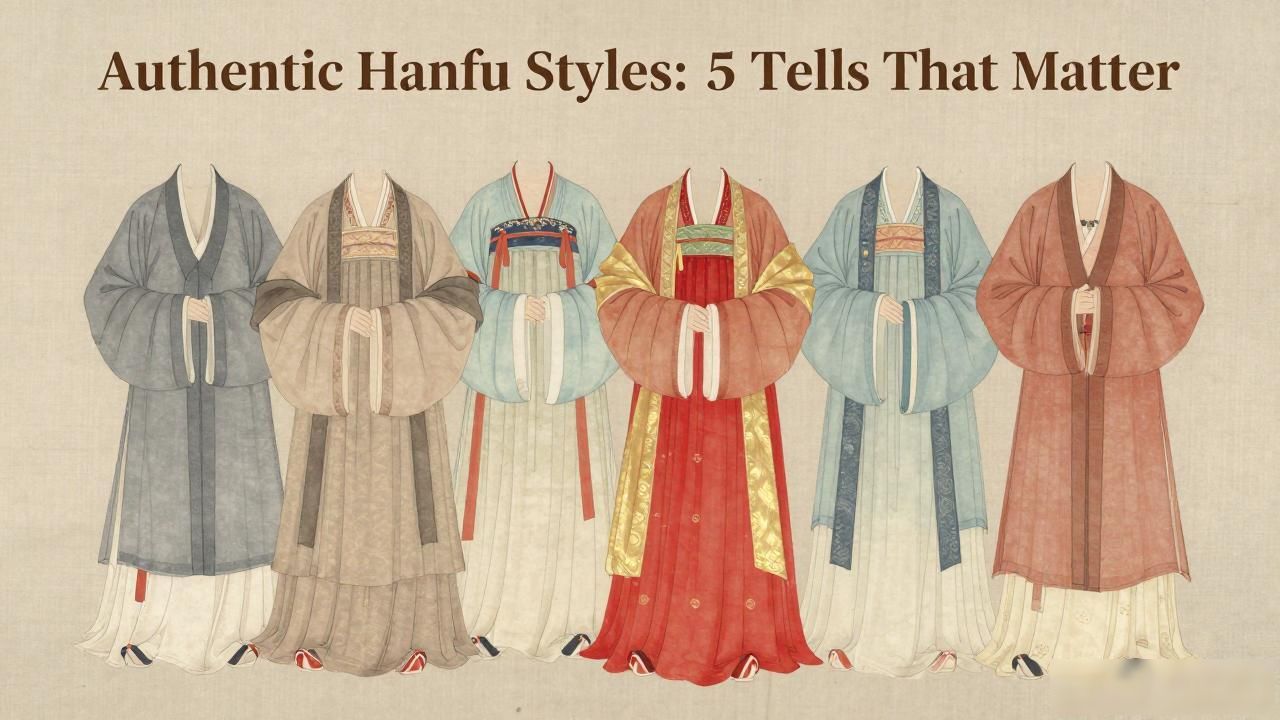
Color tells you more than shape ever will. Pre-Qing dynasty civil garments leaned toward muted earth tones, desaturated blues, and warm grays. The bright saturated reds and golds people associate with “Chinese clothing” are mostly Qing manchu influence or modern designer invention layered on top. True Ming palettes sit somewhere in the 20 to 40 percent saturation range, closer to a rainy afternoon than a firework display. The collar width also narrows as you move down the social ladder, a detail most pattern sites never mention.
Walk into a small heritage tailoring shop in Xingping or Chengdu and ask for a pattern before you buy anything off a hanger. The hand-stitched version will outlast any machine-made “inspired” piece by decades, and your shoulders will thank you for the proper proportion from the first wear.