
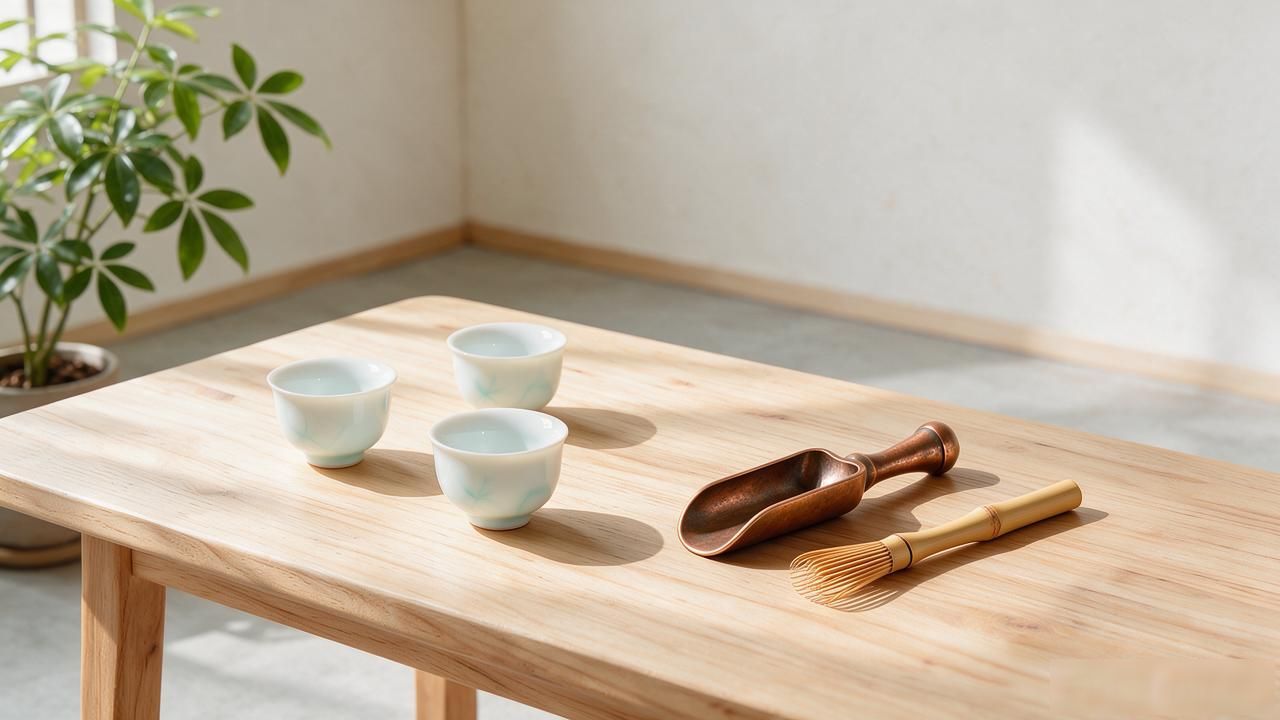
I’ve hosted tea ceremonies from a small shop in Shoreditch for over a decade, and the question I hear most is simple: what are the different tea ceremony types, and which should you actually try? There’s no single answer. The landscape is richer than most realize, and picking the right one transforms the whole experience from a quick sip into something that stays with you long after the cup is empty.
What tea ceremony types fit beginners
If you’ve never held a gaiwan or watched someone run through a gongfu sequence, start with a casual Chinese-style sitting or a relaxed Japanese chabake. The pace is slower, the rules looser, and the host walks you through each step without making you feel lost in a room full of strangers.

I always tell newcomers to skip the full temae ceremony on their first visit. The strict choreography—folding the fukusa, the exact number of bows—turns a calm afternoon into a performance you’re scared of botching. A laid-back gongfu session with three tiny cups is where the real pleasure lives. You taste, you breathe, you don’t sweat.
How do tea ceremony types vary
The difference goes deeper than the cup in your hand. Korean darye is warm and slightly playful, built around sharing and laughter. Chinese gongfu is meditative,all about concentrating on six tiny oolong cups. Japanese chado frames everything in wabi-sabi: the beauty of a chipped bowl, the silence between movements.
You’ll also find the Scottish highland tradition, which people forget exists. A clay pot, a strong full-bodied Assam, poured from a height to aerate. No silk aprons, no incense. Just robust tea, a long chat, and the particular comfort of a rainy Glasgow afternoon.
Which tea ceremony types are popular today
Gongfu oolong is blowing up in Western cities right now. I watch twenty-somethings in Brooklyn and Berlin order single-origin Tieguanyin by the gram, tracking the liquor as it shifts from deep amber to pale gold across six steepings. It’s become the slow-living equivalent of a pour-over coffee session, except with more patience and far more reverence for the leaf.
The older, quieter forms—chado in Kyoto, darye in Jeonju—still pull in serious practitioners who’ve spent decades perfecting one style. They’re not chasing a trend. They’re holding a lineage. You sit across from someone who has poured the same sequence four thousand times, and that repetition is the entire point. Not performance. Practice.
You don’t owe anyone a lifetime commitment to one style. Walk in, let the host pour, let your hands find the pace. The right ceremony will locate itself the same way the right cup always does—by fitting your palm before you even notice.