Wandering Beijing‘s narrow hutong lanes, you’ll stumble on something most guidebooks skip entirely: the live cultural heartbeat of old-town life. From courtyard tea ceremonies to shadow puppetry performed in doorways, these activities have been handed down for centuries and remain stubbornly, quietly alive. A few hours of slow walking here tells you more about how ordinary Beijingers actually spend their weekends than any polished museum exhibit ever could.
Where to find Hutong cultural activities
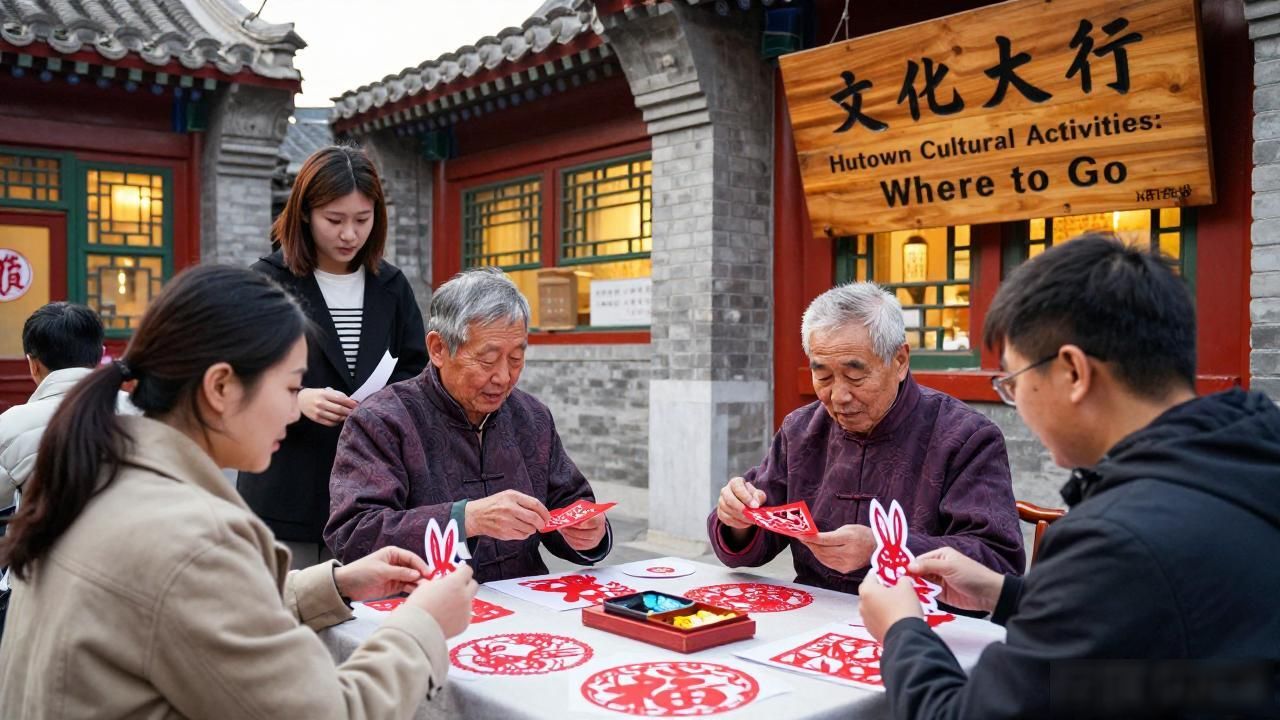
The densest cluster runs along the Shijili Hutong stretch near the Drum Tower. Walk slowly, and you’ll spot impromptu calligraphy demonstrations spilling into open courtyards, elderly residents folding paper lanterns for the coming Lunar New Year, or small troupes performing Peking opera snippets on rickety wooden stages wedged between narrow alleyways. No ticket required, no fixed schedule to follow.
Early morning, before the tour buses rattle through, is when the lanes feel most residential and the residents most talkative. Late afternoon, when low golden light washes over grey brick, brings out the paper-cutting artists hunched over window panels. Residents open doors to visitors who look genuinely curious,not just another group clicking cameras and posing for photos.

What makes Hutong cultural activities special
You’re not watching a staged show behind a velvet rope. A grandmother in Siheyuan Courtyard No. 42 pours you jasmine tea, then explains the symbolism carved into her south-facing window while stirring her cup. The storytelling is unpolished, personal, tied to specific streets and families you can point at the next morning over a bowl of congee. That kind of intimacy is nearly impossible to manufacture at any performance venue.
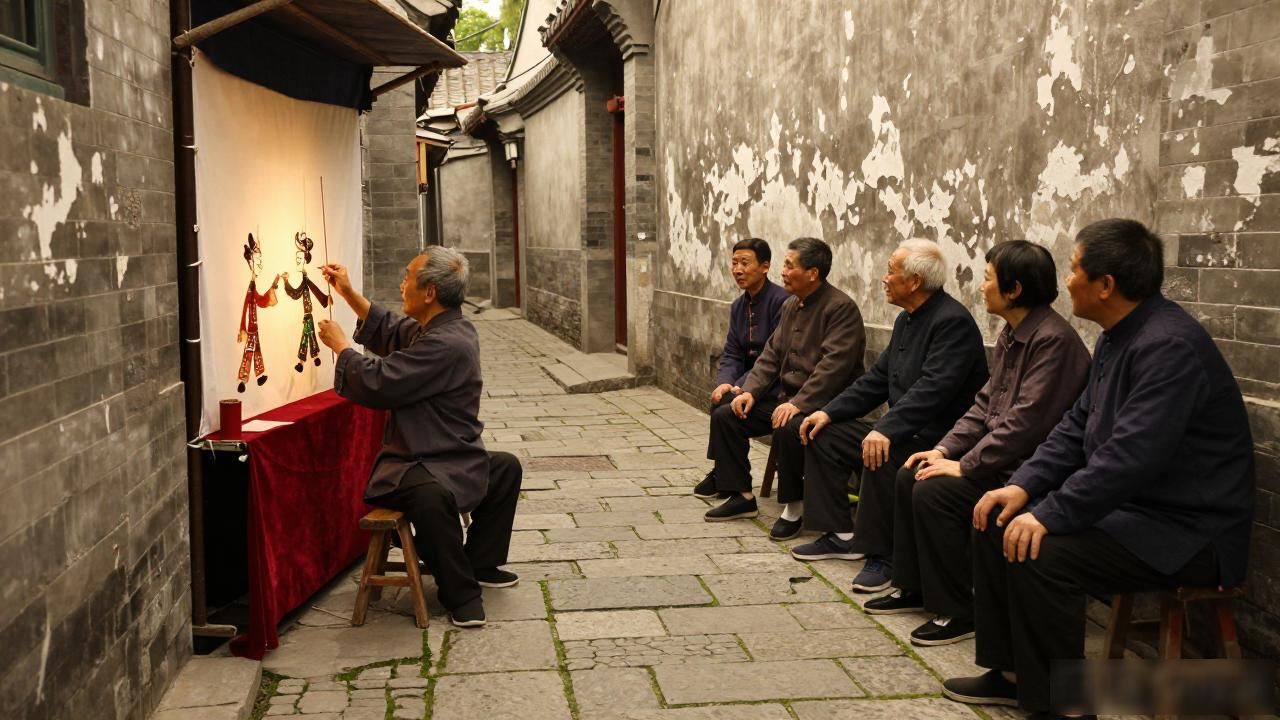
Many of these practices are fading fast as younger generations move into high-rises and quietly forget the old courtyard rhythms. What you witness today might be the last generation performing a particular shadow-puppet routine in that exact alley. That quiet urgency gives the whole experience a weight no museum diorama or tourism brochure can replicate.
Grab a paper map of the hutong network, set aside two unhurried afternoons, and let the alleys pull you where they want. The culture here isn’t performed for an audience. It simply continues, the way it has for seven hundred years, one generation passing the thread to the next.