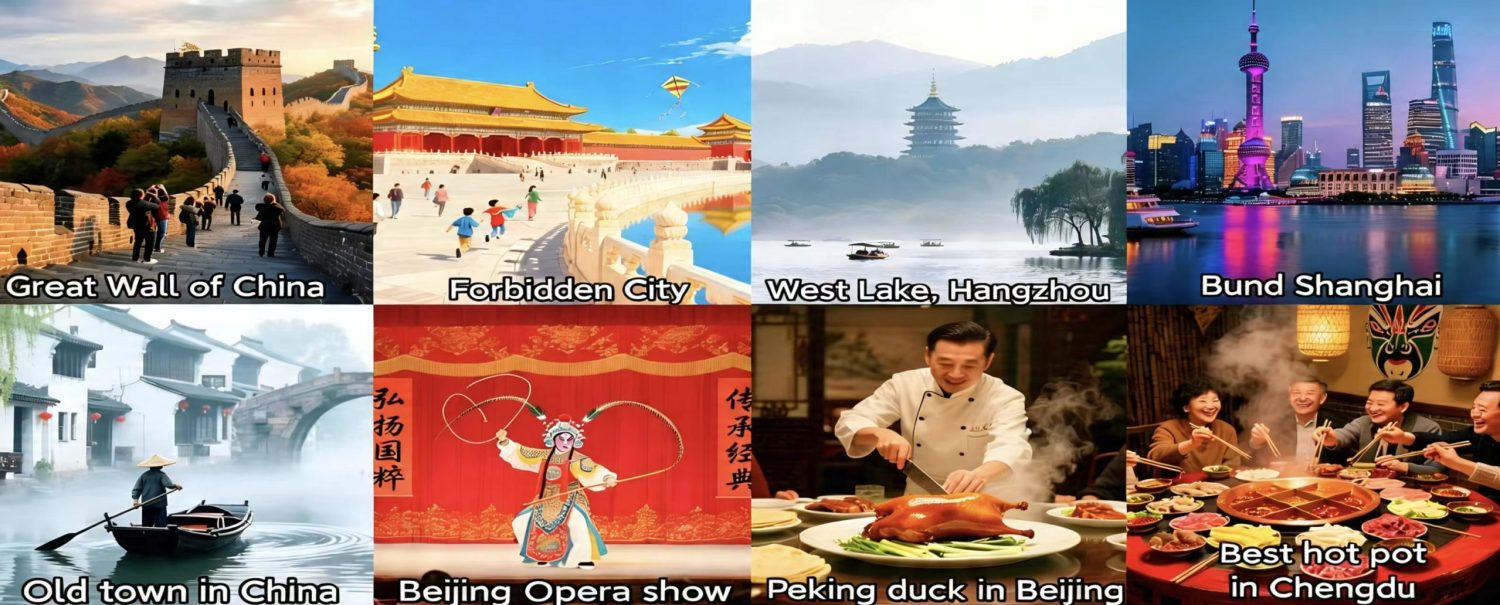
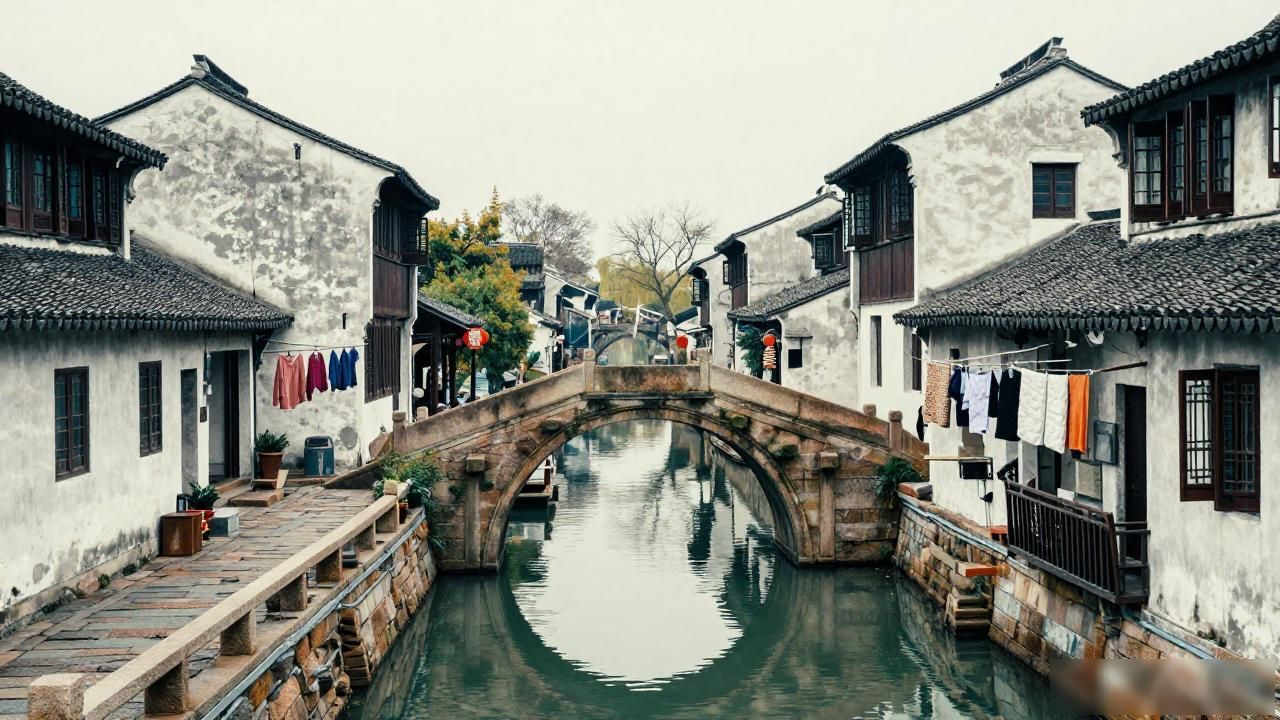
Every time I think about an old town in China, my mind jumps past the postcard shots and straight to the smell of wet stone after rain, the creak of a wooden door, and the sound of someone selling fried dough at dawn. These places aren’t museums. They’re living neighborhoods where grandmothers still hang laundry from second-floor balconies and the street food stalls haven’t changed a recipe in three generations. That’s what makes them worth the trip.
Which old town in China to visit

The most honest answer I can give: it depends on what you want to feel. If you want narrow water channels and stone bridges stacked one behind another, Suzhou’s Pingjiang Road remains the tightest cluster of canalside living in the Yangtze Delta. The houses lean so close together that laundry lines straddle the street overhead. It’s July, the heat is thick, and a woman in a blue apron is rinsing green beans in the canal water while kids chase each other on the slippery bank.
For something drier and more layered, look at Fenghuang Ancient Town in Hunan. The stilted houses climb a steep riverbank in muddy pink and ochre tones. The Miao and Tujia ethnic communities still run shops selling indigo-dyed fabric, and the river boats clink against wooden posts every ten minutes.
What makes old town in China special
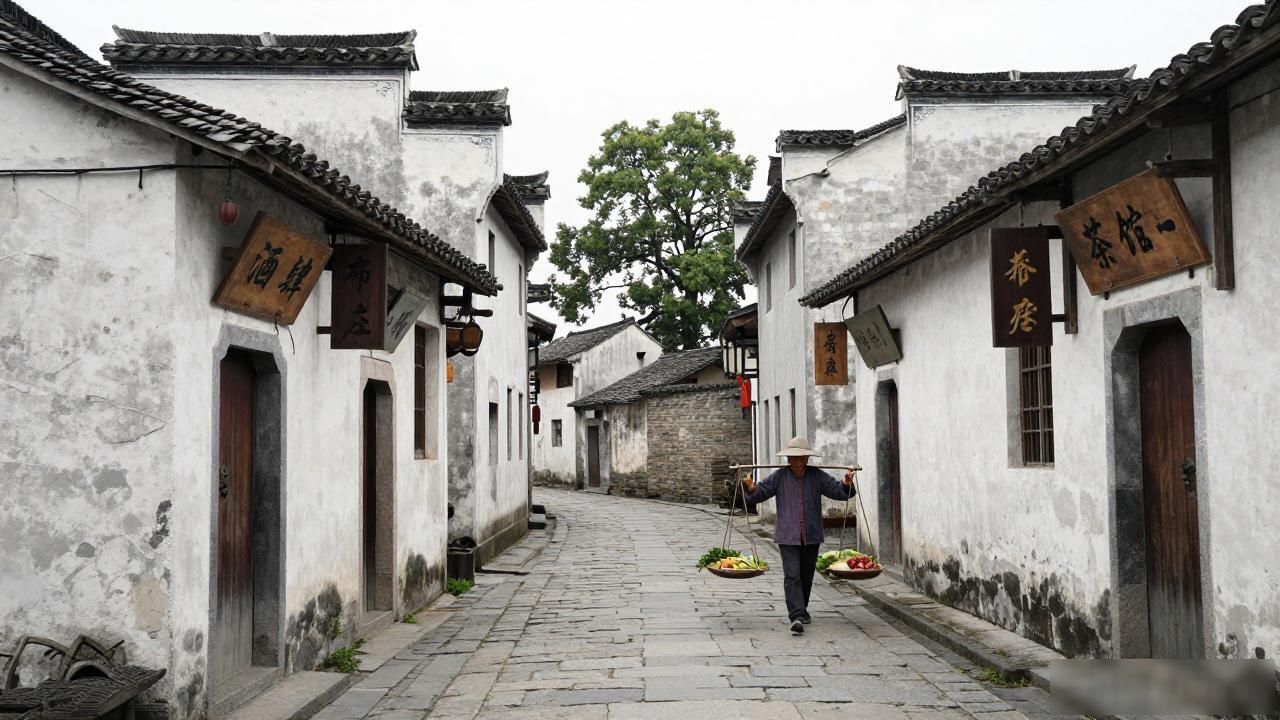
The architecture tells the story better than any brochure. In most of these towns, you’ll notice the absence of modern signage on the main pedestrian lanes. Shop names are carved into wooden boards, painted in red lacquer,sometimes with the original family name from the 1700s still visible. The rooflines follow a specific gradient—steeper in southern towns to shed rain, flatter up in the north to hold snow. That’s not style. That’s engineering passed down by people who built without blueprints.
Walking through at 6am before the tour groups arrive changes everything. The town exhales. A man sweeps the same spot he’s swept for twenty years. The tea shop owner pulls a brass kettle and doesn’t rush you. You realize the “old town” label is a packaging term; in here, nobody is performing history. They just live inside it, the same way, with the same worn wooden thresholds and crooked signposts.
Pick one town, give it a full day and an early morning, and skip the evening light shows. The quiet hours are where the place actually talks back to you.