
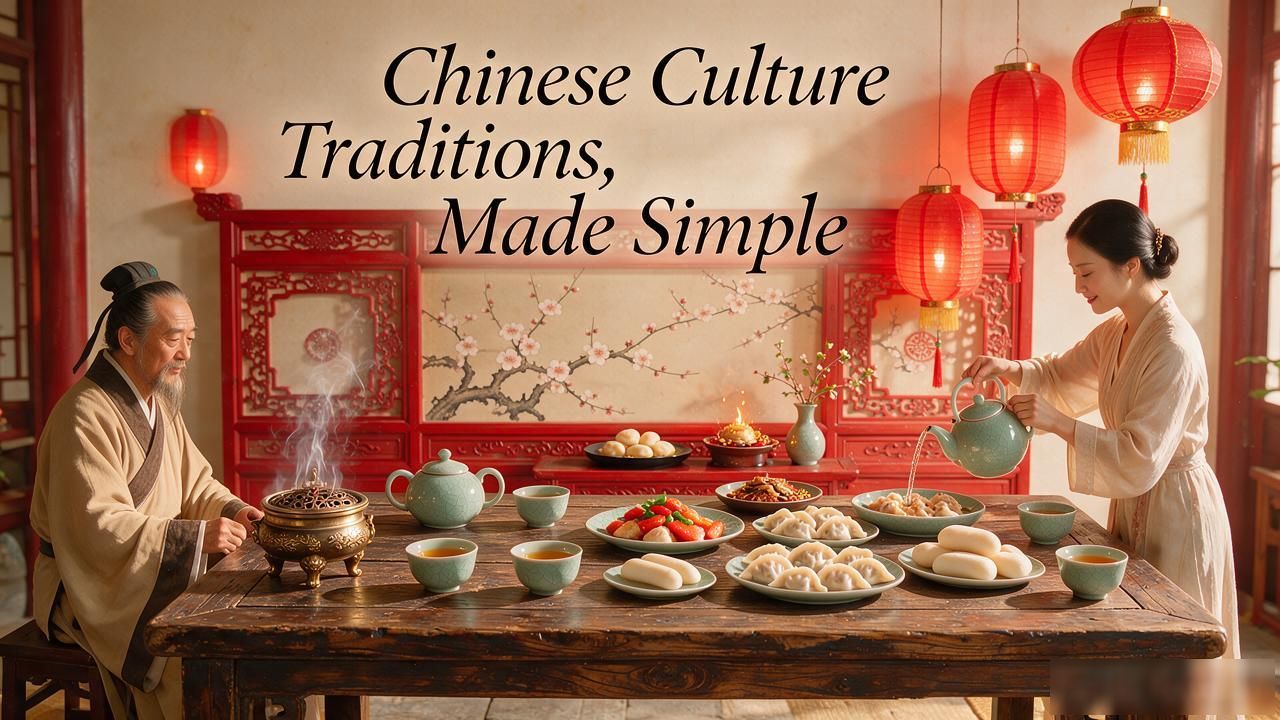
I’ve spent two decades splitting time between Beijing, Xi’an, and Kunming, watching how Chinese culture traditions live in ordinary neighborhoods,not just on museum walls. Most Westerners picture red lanterns and calligraphy brushes, but the real picture is messier and more layered than any guidebook admits. Twenty years of crashing weddings and navigating Lunar New Year crowds with my in-laws taught me a few things worth sharing.
What Are Chinese Culture Traditions

The honest answer: there is no single, tidy definition. Chinese culture traditions span Confucian family rituals, tea ceremonies, the Spring Festival, ancestor worship, and hundreds of regional customs that shifted with every dynasty. What outsiders consistently miss is that these traditions were never frozen in amber. A grandmother in Chengdu performs Qingming tomb-sweeping with tears and burned paper money; a student in Shenzhen handles it through a family WeChat group where his aunt posts a grave photo and everyone sends a “respect” emoji. Same ritual, two very different textures.
You see the living layer everywhere. People accept a gift with both hands and bow slightly. A family piles around a round table for the Mid-Autumn Festival, passing mooncakes and arguing about which channel to watch. Feng shui still dictates where you hang a new door. A Shanghai shopkeeper rearranges his signboard for the New Year because the old one “carried bad luck.” A new mother in Xi’an avoids cold food for a month after delivery, following a custom rooted in imperial court medicine. These are not performances for tourists. They are muscle memory.
Why Chinese Culture Traditions Matter Today
Modernization has not erased the old layer, it has draped it in fiber-optic cable. During the 2024 Spring Festival, over four billion WeChat Red Envelope transfers moved money between relatives, a digital twist on a centuries-old paper ritual. Young couples in Hangzhou still wear qipao for wedding photos while posting the looks on Xiaohongshu. The tradition adapts to survive; it does not simply die.
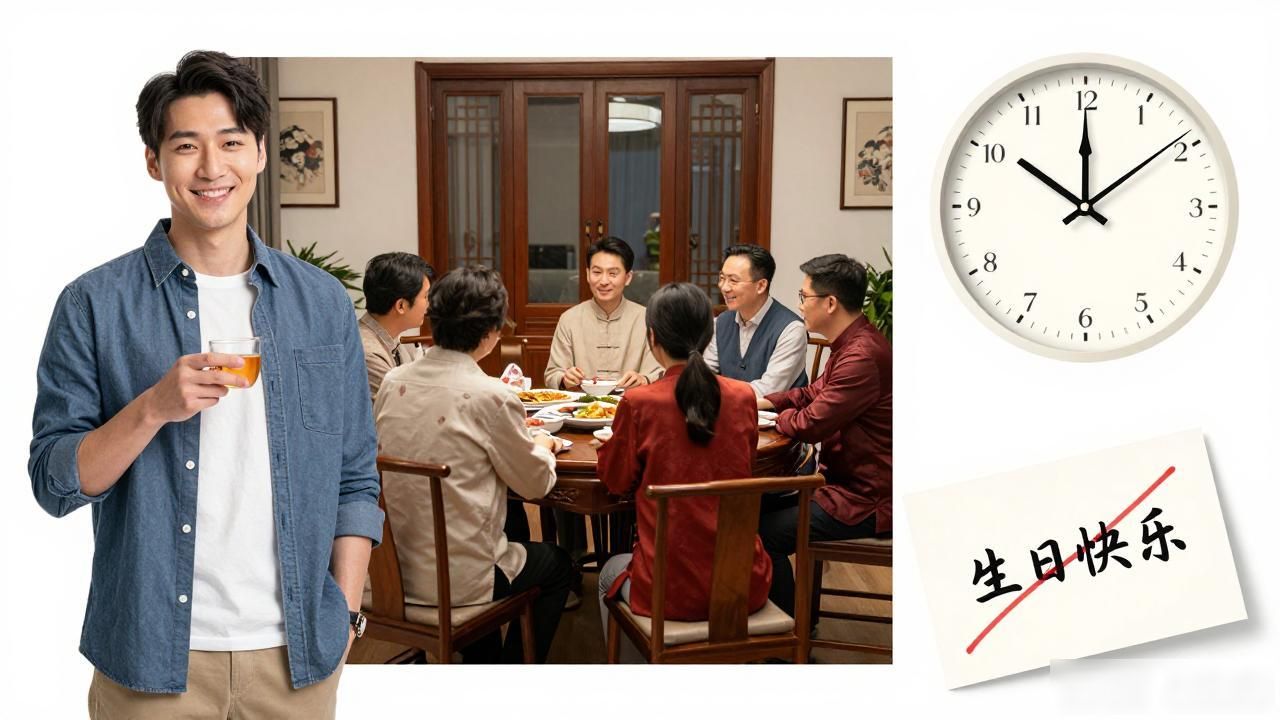
For a foreigner in China, knowing these customs stops you from small but memorable blunders, like gifting a clock for a birthday (the phrase “song shi” sounds like “sending someone off to death”) or seating the guest of honor facing the door. It also opens friendships that a polished smile alone cannot buy.
You do not need to memorize every ritual. Start with one: pour tea for an elder with both hands, skip the fourth floor in a new building, and learn why the number eight makes every shopkeeper grin. Get that instinct down and the rest of the culture will meet you halfway.