
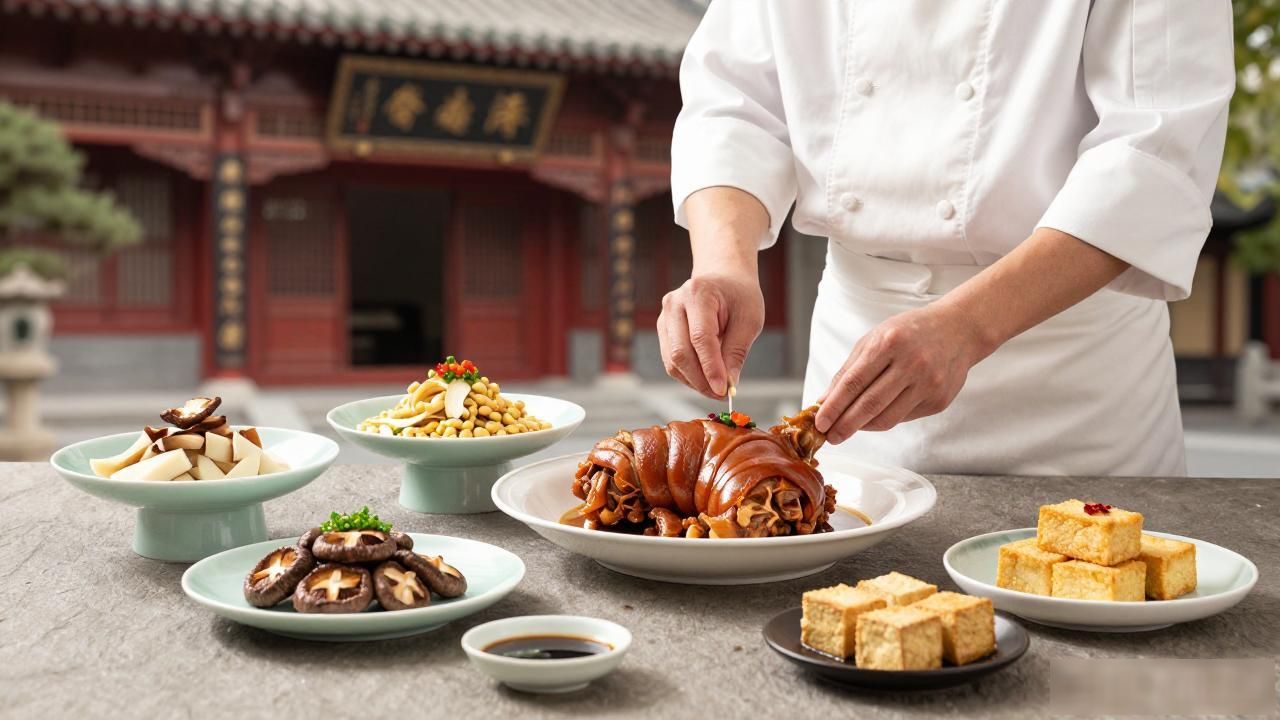
Vegetarian Chinese cuisine is far more than “just vegetables.” Rooted in Buddhist temple kitchens for over a thousand years, it uses soy, mushrooms, bamboo shoots, and clever textural tricks to build depth that rivals any meat-forward dish. It’s a cuisine with its own philosophy, technique, and flavor logic, not a pale substitute for the wok you know.
What makes Vegetarian Chinese cuisine different

Temple cooking in places like Shanghai’s Lianhua Sutra Cuisine restaurant or Beijing’s Jianguo Temple Kitchen operates on a strict rule: no onion, no garlic, no scallion. Chefs build umami from dried shiitake, fermented soybeans, and tofu pressed and fried until it mimics the chew of a braised pork shoulder. The spice palette shifts toward star anise, dried tangerine peel, and white pepper, giving plates a fragrant, slightly sweet backbone you don’t get in standard Sichuan or Cantonese cooking.
The technique side surprises most first-time tasters. A single dim sum tray might hold a flaky mushroom “pork” roll, a jade-colored rice-leaf wrapped cake stuffed with chestnut and dried cranberry,and a crispy lotus-root slice soaked in five-spice syrup. Texture variety is the core principle. Chewy, crisp, silky, and dense all land on one plate, which is why regular meat-eaters often say they forgot no protein was involved.
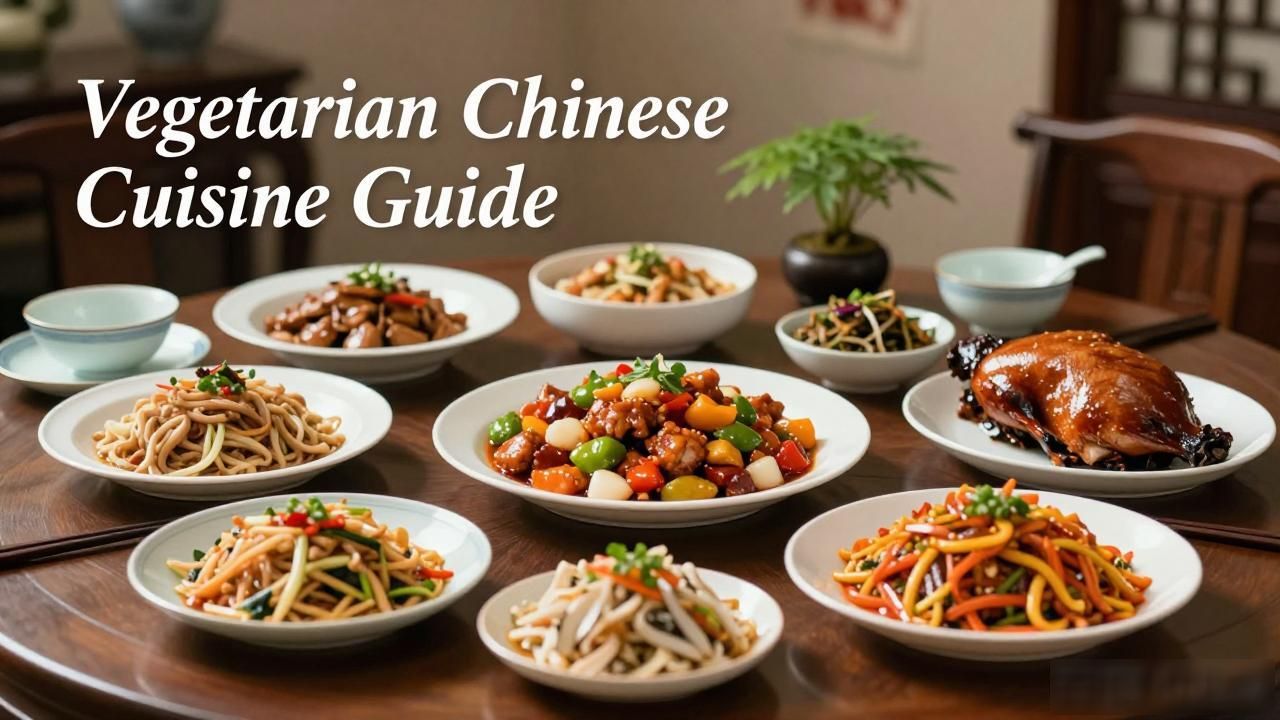
Is Vegetarian Chinese cuisine truly flavorful
Walk into any decent vegetarian Chinese restaurant in Bangkok, Singapore, or New York and order the “mock abalone” in black bean sauce. The dish layers rehydrated kelp, shimeji mushrooms, and a soy-based reduction that has been simmering for three hours. The depth is real. It isn’t trying to impersonate abalone; it’s using the same family of flavor compounds—glutamates, maillard crusts, slow-extracted savoriness—that make meat dishes work.
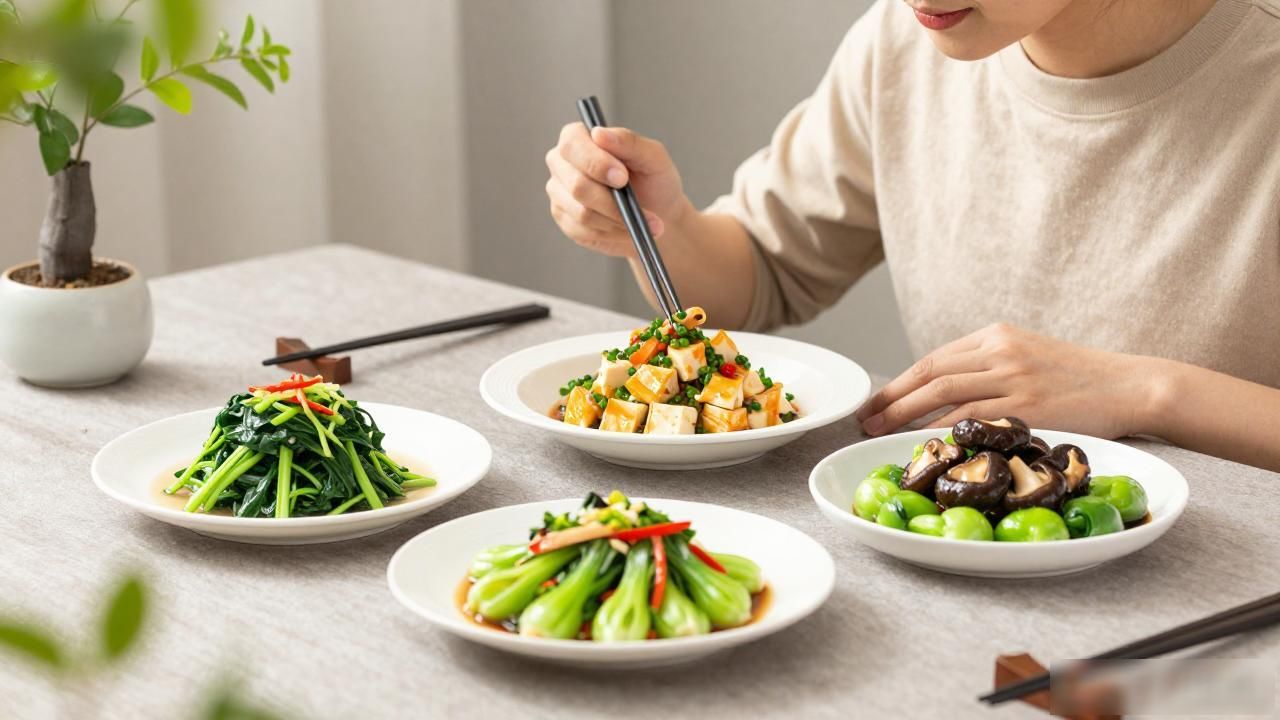
What changes is the aftertaste. Without animal fat coating the tongue, the finish on every bite stays clean and bright, which means you can taste the next course without that heavy, waxy residue. Many regulars report eating more plates because they never hit the “greasy plateau” they’d feel after a fatty Cantonese banquet.
So the next time a Chinese restaurant’s menu lists a “vegetarian option” as a sad plate of stir-fried greens, push for the kitchen to prepare it temple-style. Ask for the mushroom, tofu, and seasonal vegetable dish with the proper soy and spice base. You’ll taste a cuisine that has been refining plant-based cooking for centuries, and it genuinely holds its own.