
Yunnan isn’t just a place on a map for slow trains and rice terraces. It’s a living museum where ethnic minorities still weave brocade the way their grandmothers did two centuries ago. After twelve years of guiding foreign visitors through Dali, Lijiang, and the remote villages of Nujiang, I’ve learned that the most rewarding Yunnan cultural heritage travel happens when you slow down enough to hear the loom click.
Yunnan heritage travel where to start

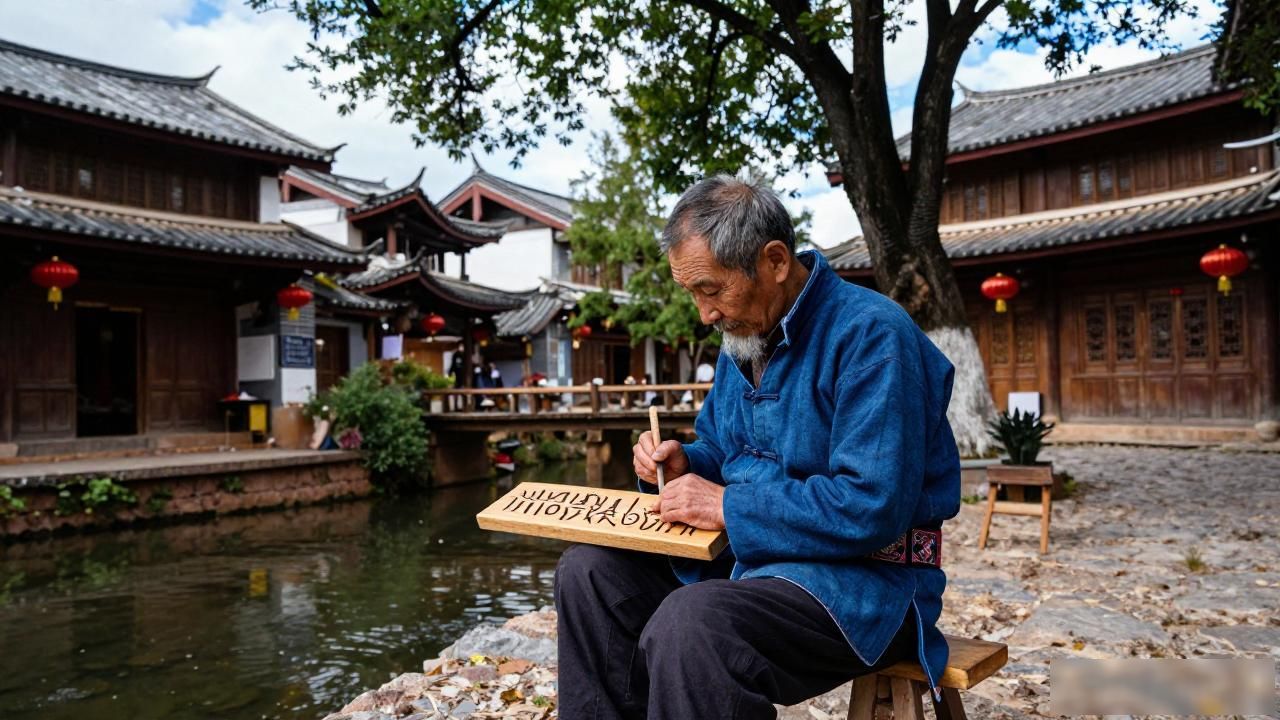
Most visitors land in Lijiang and immediately crowd into the old town’s commercialized lanes. The real story begins fifteen kilometers inland at Heishuihe Village, a Naxi community where the Dongba script—over a thousand years old—is still carved into wooden tablets by elders who never sat in a classroom. A half-day walk through the pines there, watching a Dongba priest chant over a fire, will anchor your entire trip. If you’re only staying three nights in Yunnan, build your itinerary around one living practice, not five museums.
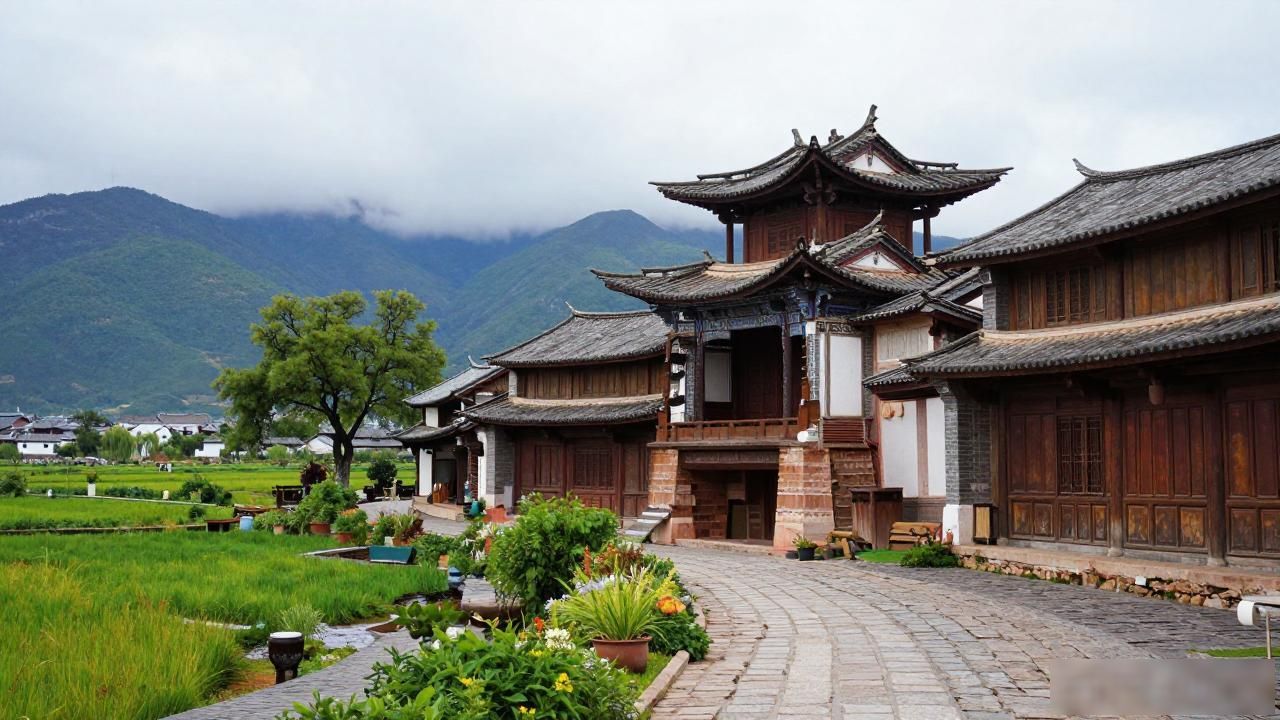
The Dali Bai corridor deserves another full day. Skip the tourist stalls on Dali Old Town’s main drag. Instead, head to Wasei Village in Weishan, where Bai artisans still build their signature “three flower,two mountain” courtyard homes using techniques documented in 1368. You can watch a carpenter raise a ridge beam and understand why the architecture looks nothing like anything else in southern China.
Yunnan heritage travel best villages
Beyond the well-known Dali-Lijiang belt, the Nujiang Canyon holds some of the most intact heritage sites in all of Yunnan. Napa Village in the lower valley is a Kachin (Jingpo) settlement where women still wrap their hair in indigo-dyed cloth and men carry the same curved swords their ancestors used three hundred years ago. The drive up the canyon road alone is worth it—switchbacks carved into 3,000-meter cliffs, no cell signal for the last forty minutes.
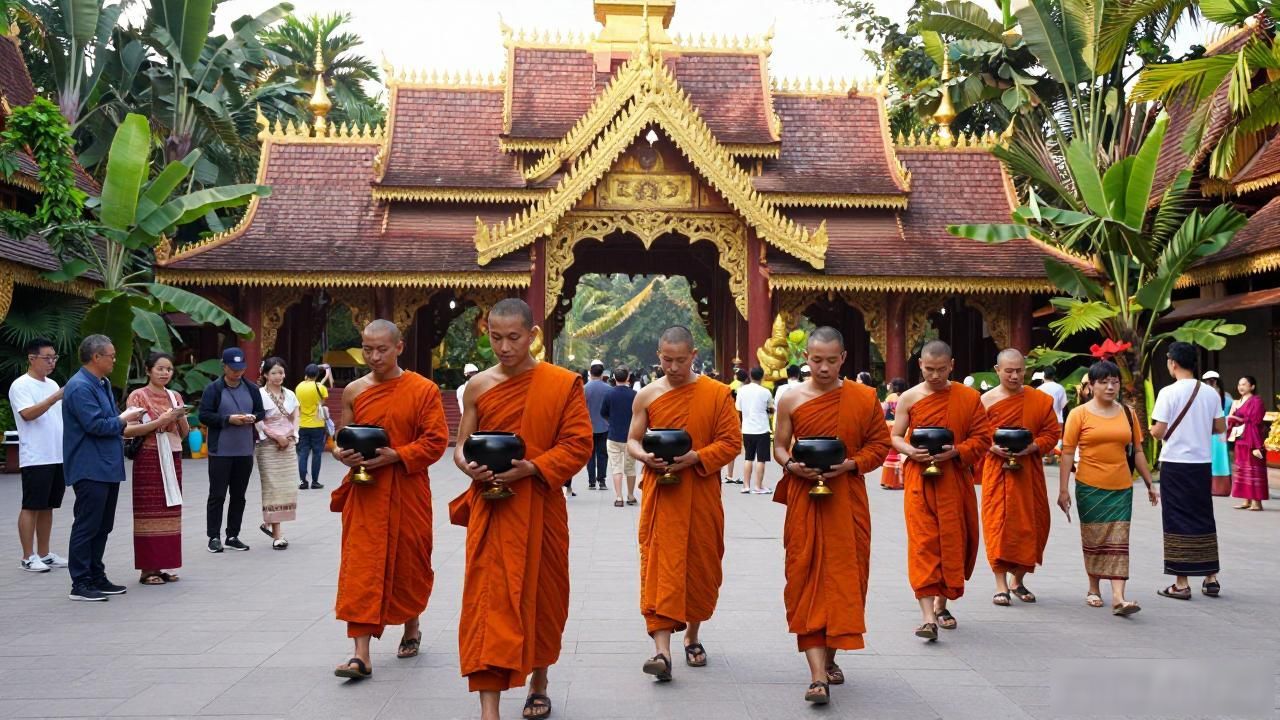
If you prefer something more accessible, the Dai water festival villages around Xishuangbanna offer a different flavor. December’s Water Splashing Festival draws locals and tourists alike, but the cultural weight sits in the morning alms-round at Wat Xieng Tong, where monks in saffron robes walk the same route they’ve walked for five hundred years.
You don’t need to “check off” every ethnic group. One village, one craft, one long conversation with the person making the thing—that’s enough. The heritage in Yunnan isn’t behind glass. It’s on the windowsill, in the smoke, in the rhythm of a loom at 6 a.m. Bring a notebook and leave your schedule at the airport.