
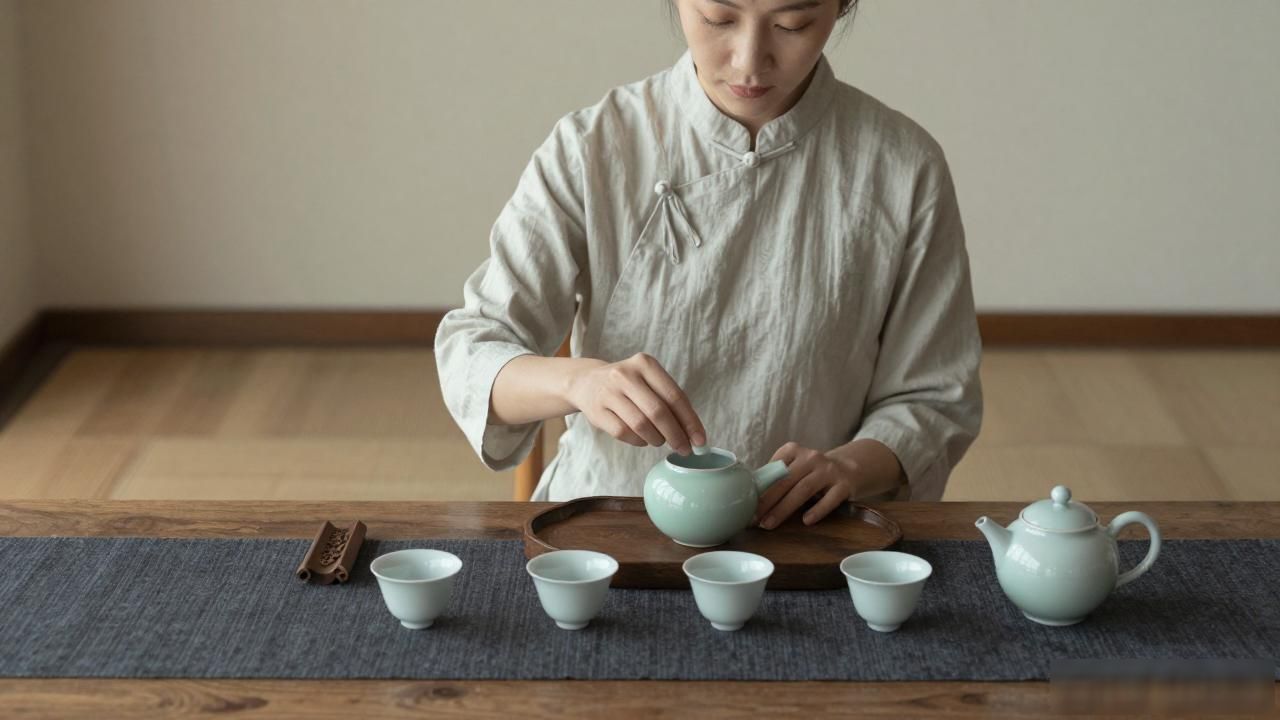
Tea ceremony culture is far more than a pretty ritual of pouring green tea into a small ceramic bowl. At its core, it is a philosophy of presence, humility, and respect for the small, quiet moments. Most Western readers encounter it as an exotic novelty, but the practice carries centuries of lived meaning that goes well beyond the aesthetics.
why does tea ceremony culture matter
In Japan’s chanoyu and China’s gongfu cha, every single gesture is deliberate and rehearsed over generations. The host boils water, rinses the cup, and pours in slow, measured motions that can take several minutes for one serving. None of this is performative. It is a way of saying: you are here, fully, in this moment with me, and nothing else matters.

In a world of constant notifications and multitasking, that radical slowness hits differently than you would expect. A single cup, shared in near-silence,becomes a small act of resistance against the relentless speed of modern life.
how is tea ceremony culture done
A typical session lasts anywhere from twenty to forty minutes. The host prepares the room, selects the leaves, and controls water temperature to the exact degree. Guests receive the cup with both hands, turn it slightly to avoid drinking from the decorated front, and return it with a quiet, respectful nod.
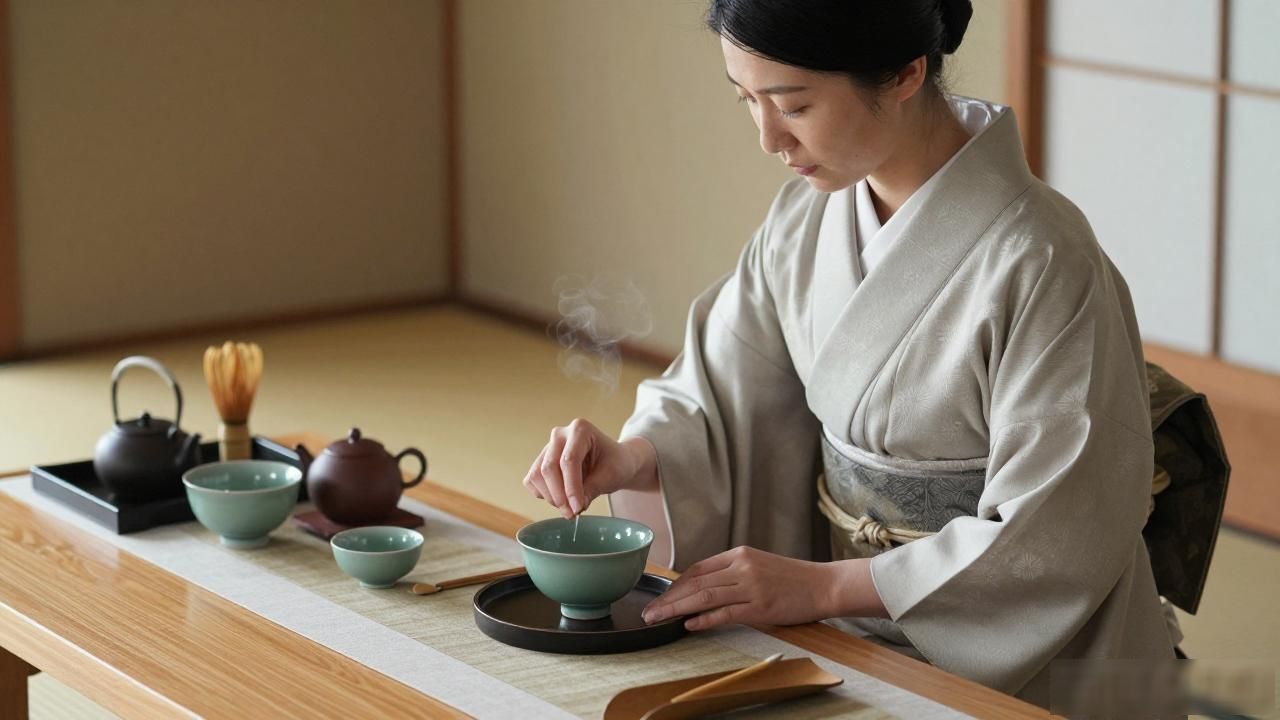
These details sound rigid, almost obsessive. But the form is meant to free the mind. You stop worrying about what to say or what to do next. Your hands just follow the rhythm, and the mental noise slowly quiets down.
where did tea ceremony culture start
The roots trace back to Tang Dynasty China, where monks steeped coarse tea leaves for long meditation sittings. The practice traveled to Japan by the 12th century, where Zen Buddhism reshaped it into the highly codified chanoyu tradition most people picture when they hear the word “tea ceremony.”
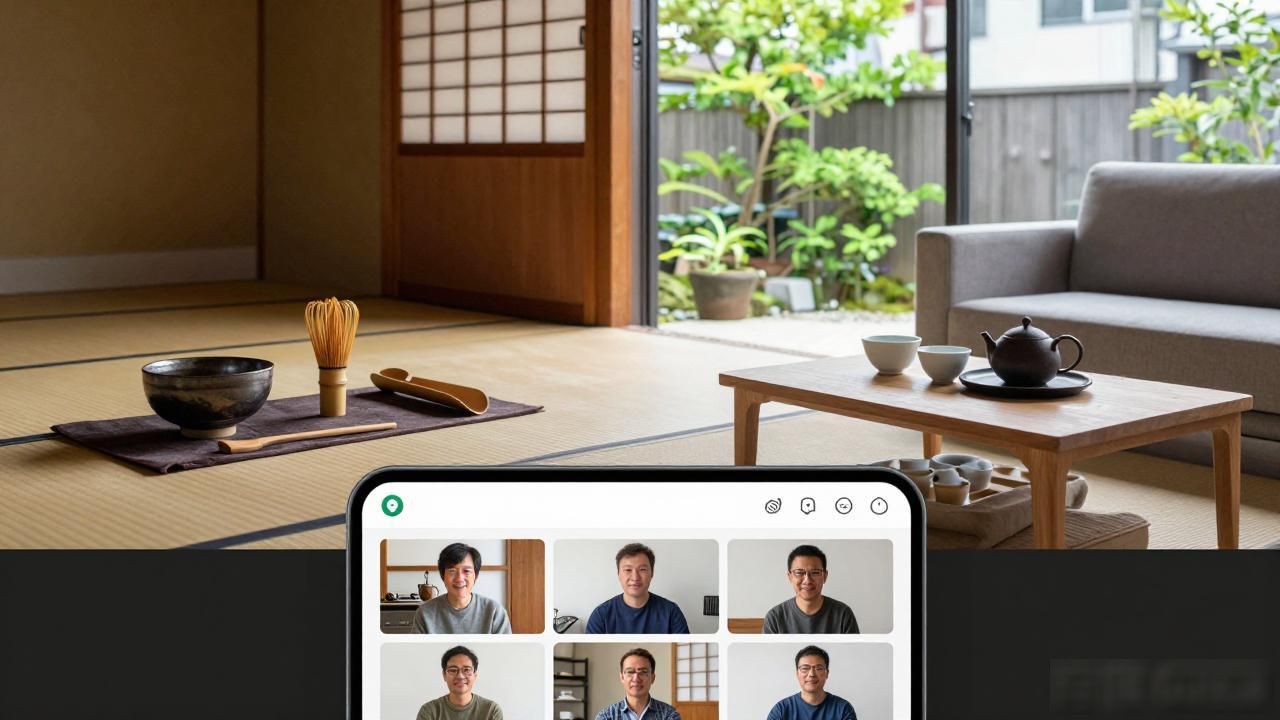
Today, tea ceremony culture lives in Kyoto tea houses, in suburban living rooms, and even in app-based virtual tea parties. The vessels and leaves keep changing with the times; the underlying idea of offering someone your undivided, unhurried attention does not.
One cup. One quiet minute. Poured without rushing. That is the whole point, and it is enough.