
I grew up watching my grandmother paint calligraphy on rice paper every Spring Festival, the brush squeaking against wet ink. What I’ve come to realize is that Chinese culture art forms aren’t dusty museum relics—they’re living practices that still shape how millions of people celebrate, heal, and make meaning out of daily life. This piece walks through the essential forms and how a first-time viewer can genuinely step into them.
What are Chinese culture art forms

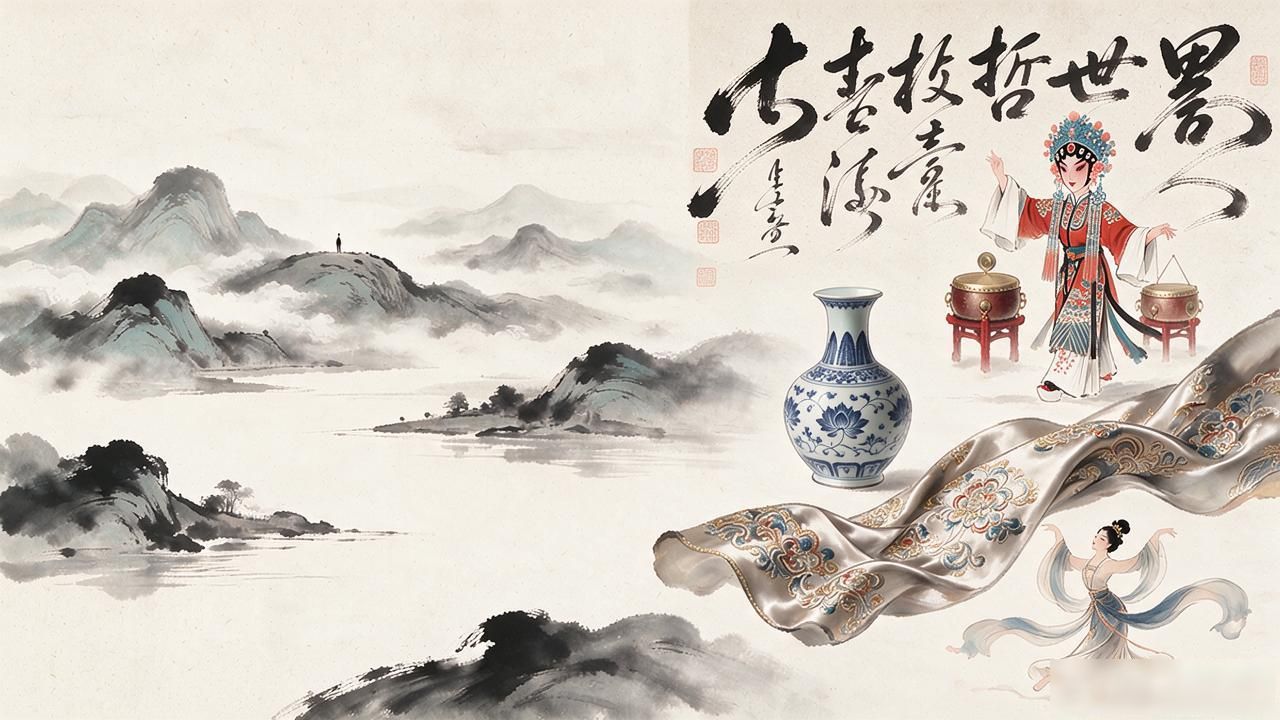
The phrase covers painting, calligraphy, traditional opera, porcelain, silk embroidery, and classical dance. Each carries centuries of philosophical weight. A scroll of landscape painting isn’t just scenery; it’s a quiet argument about humanity’s small place between mountains and mist. Opera layers vocal acrobatics, precise gesture,and narrative into one unbroken flow. It’s closer to watching a full ballet performed with a live orchestra than to any theater I’ve experienced before.
Many Western visitors assume these forms are frozen in the past. They aren’t. Young artists in Chengdu now remix traditional face-painting with street-art aesthetics and sell the prints at local galleries. A ceramicist in Jingdezhen posts glaze experiments to millions of social media followers. The core techniques stay intact, but the outer packaging keeps shifting to meet new audiences and new questions.
How to enjoy Chinese culture art forms
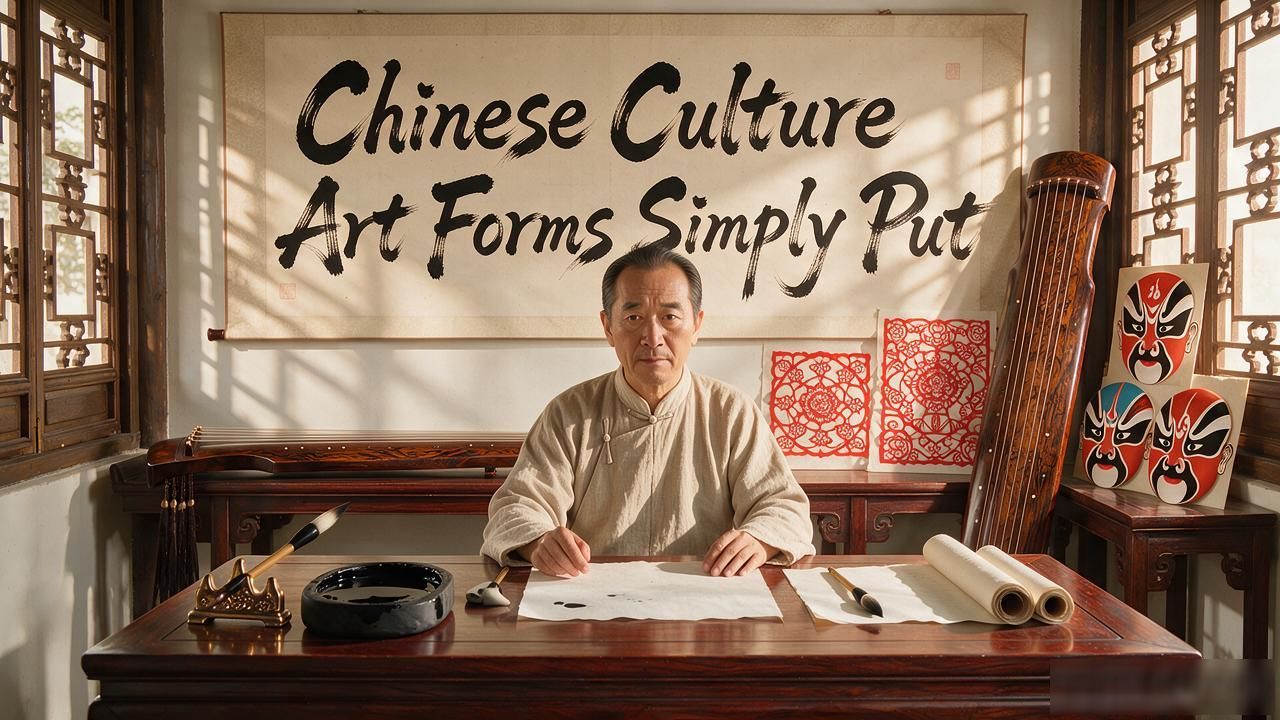
Pick one form and really sit with it. Grab a brush and try writing the character “shu” (tree) on rice paper—feel how stroke order forces your hand to slow down. The physical act of making rewires how you see every finished piece afterward. Or attend a Peking opera and let the exaggerated sleeve movements speak before the lyrics actually land in your ears.
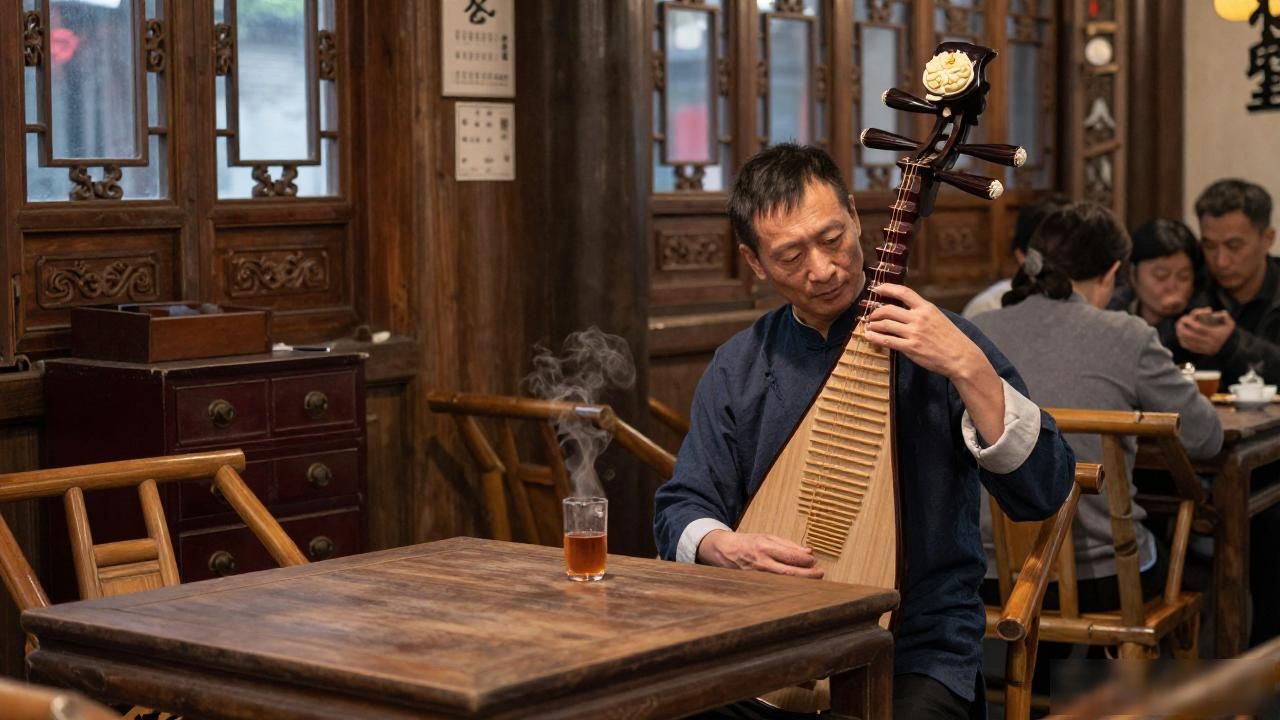
Find a small teahouse in Chengdu where a lone musician plays pipa while you sip oolong. No tickets, no stage lights, just the wood, the string, and steam rising off your cup. That intimacy is where these art forms were originally designed to live. You don’t need a translation app to feel the rhythm; your hands absorb what the mind labels later.
I still video-call my grandmother on Sunday afternoons to watch her do calligraphy. She doesn’t post it anywhere. She dips the brush, lifts it, and talks about the rain outside. That small, unremarkable moment is probably the most honest introduction to these art forms I’ve ever come across.