
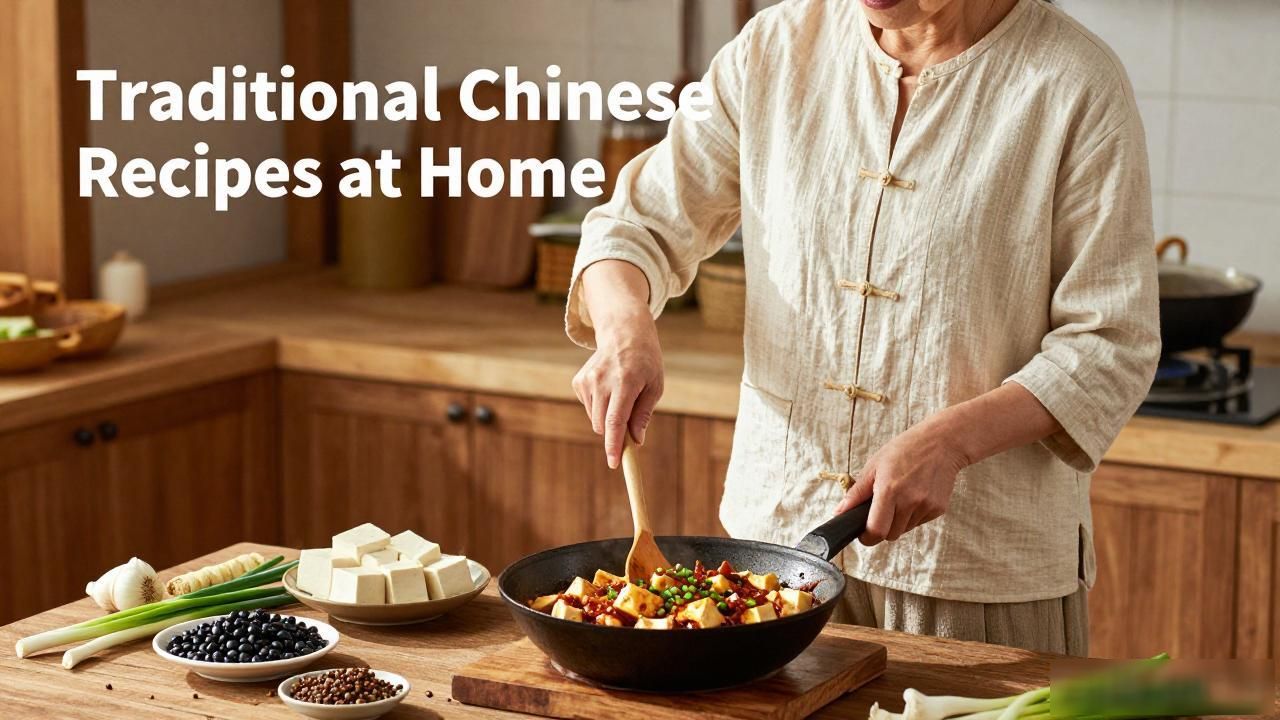
Growing up in Chengdu, my grandmother’s kitchen was where all flavor was born. Traditional Chinese recipes aren’t some distant museum piece—they live in every home that still stir-fries over high heat, breathes over a pot of morning congee, and passes a well-worn carbon-steel wok to the next generation. What moves me most is how simple tools and bold spices can turn humble ingredients into meals that feel like a warm hug.
Which Traditional Chinese recipes are easiest

The answer surprises most Western home cooks. Take my mother’s mapo tofu: silken tofu, a spoonful of fermented black beans, a pinch of Sichuan peppercorns ground fresh on a flat stone. That’s it. No complex technique, no hours of prep. You break the tofu into chunks, let the sauce bubble for ten minutes, and it’s done. The magic sits in the layering of numbing, salty, and spicy—three distinct flavors hitting your tongue almost at once.
Another one I swear by is a quick stir-fried beef with broccoli. Marinate thin-sliced beef in soy sauce, a splash of sherry wine, and a dusting of cornstarch for twenty minutes. Hit the wok on high, one minute per side. The cornstarch here isn’t a thickening agent—it’s a protective shield that keeps the beef tender against the ferocious heat. My two kids now compete over the last piece, sauce and all.
Where to find Traditional Chinese recipes
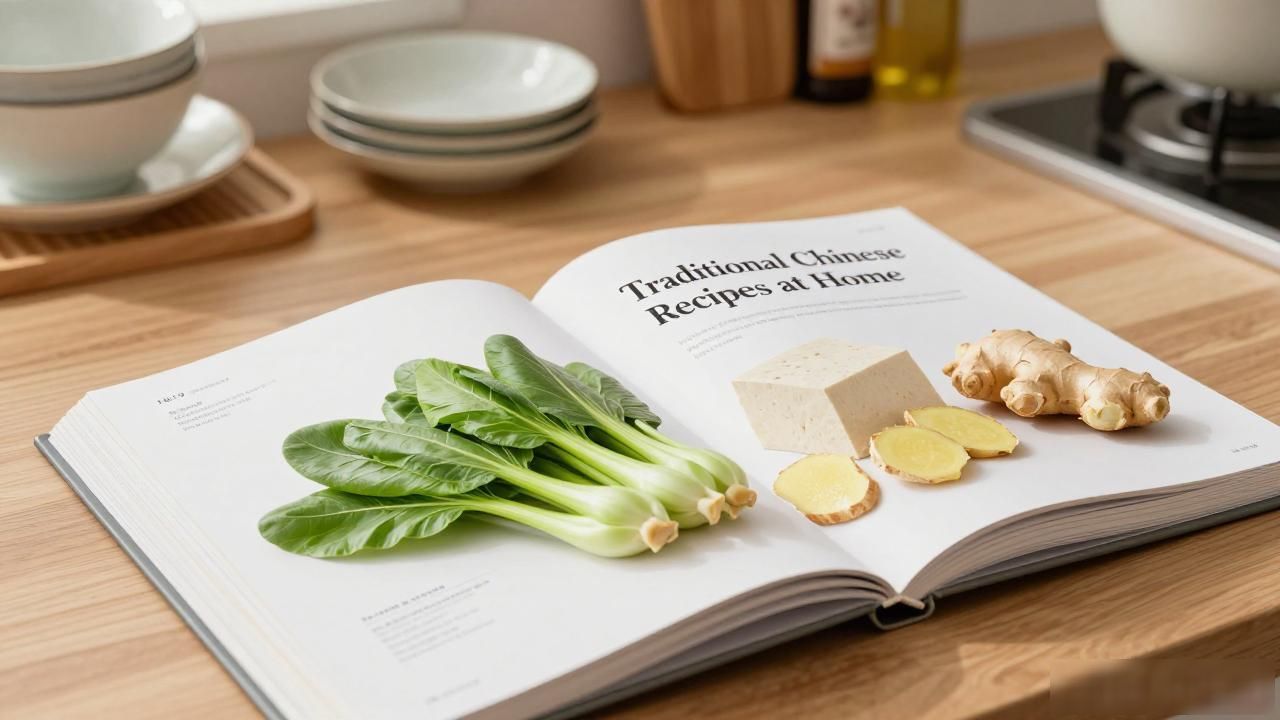
Forget the glossy cookbook listing seventeen ingredients for a single dish. The real treasure is tucked in your local Chinese supermarket’s back aisle. Look for the shelf holding Laoganma chili crisp, Lee Kum Kee oyster sauce, and a jar of preserved mustard greens. One bottle of soy sauce, one bag of dried chilies, and a fistful of star anise can carry you through half the recipe box without a second thought.
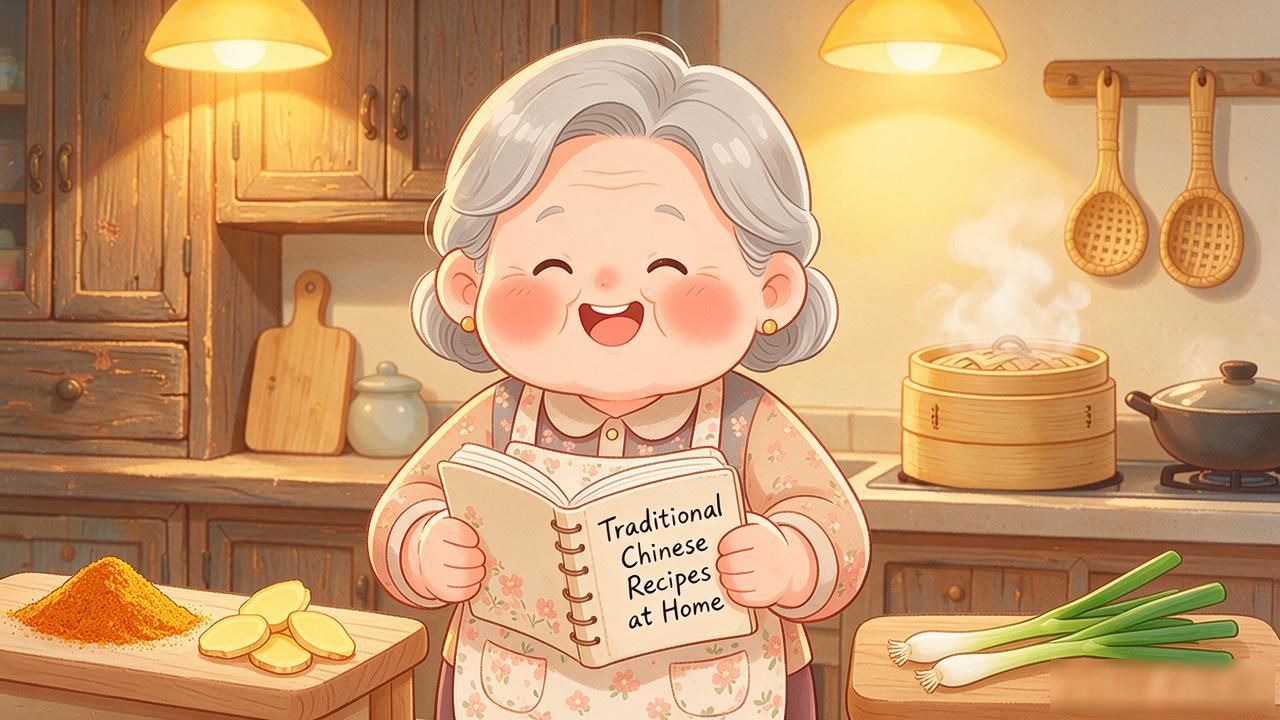
I also keep a small notebook of my grandmother’s measurements—no grams,no milliliters. “A spoonful of five-spice,” “a thumb’s width of ginger,” “just enough scallion to make the broth smell right.” Those vague, sensory instructions actually make the cooking more intuitive. You stop counting and start tasting.
I close the stove, wipe the counter with a damp cloth, and listen to the last sizzle die away. Traditional Chinese cooking rewards curiosity over perfection. Grab a wok, fire it up, and let the smell of garlic and dried chilies guide you. The recipe was never really on the page anyway—it’s in your hands, in the heat, in the taste you remember from childhood.