

After seven trips to China over the past five years, I keep getting the same question from friends back in the US: “Dude, is it actually safe to travel in China?” I get it. The news cycle at home paints a picture that has very little to do with what I see on the streets of Chengdu, Xi’an, or Shanghai. Here is my honest, on-the-ground take from someone who has slept in hostels from Lhasa to Sanya.
Is it safe to travel in China alone
I’ve solo-traveled through China for up to three weeks at a stretch, and the most striking thing is how low the petty crime rate is. I left my backpack on a subway seat in Shanghai once, grabbed a coffee, came back ten minutes later — still there. No one touched it. Not stolen, not even moved. My friends in London or New York would never do that, and they shouldn’t. But in China, that kind of casual trust is woven into daily life.

I’ve met solo female travelers in Yunnan who backpacked through rural areas with only local guides, and they told me the same thing: the locals were the most protective, not the most threatening. A grandmother in Dali once flagged me down to make sure I wasn’t lost, walked me to the bus stop, and pressed a pack of local pastries into my hands.
Is it safe to travel in China at night
Walking home from a late dinner in Kunming, 11 PM, I’ve had maybe two years of feeling genuinely uneasy. The streets stay populated well past midnight in most cities, and that changes the whole calculus. Taxis and the Didi app are cheap enough that you’re not gambling on a random stranger after 1 AM.
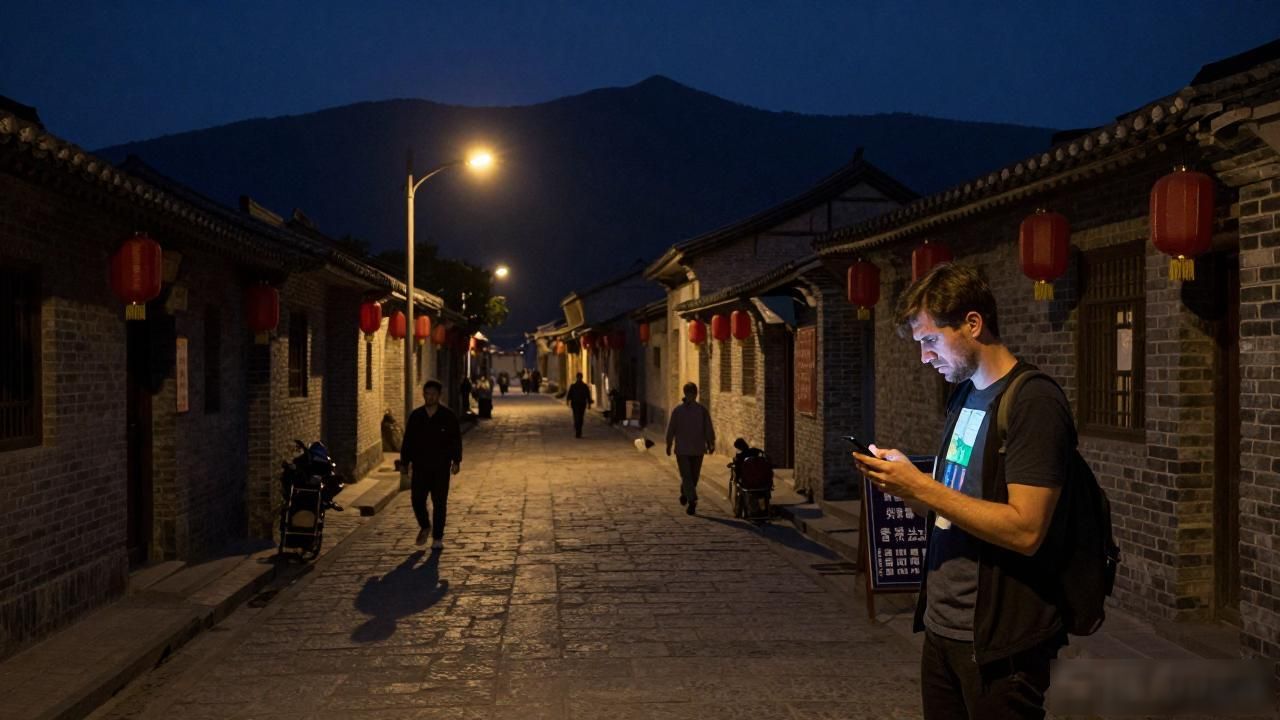
What I actually worry about more at night is getting lost, not being mugged. The language gap is real. Signage in smaller towns switches to local dialects I can’t read, and GPS glitches near mountain ridges. My night strategy is simple: download the app, save your hotel address in Chinese characters on your phone, and if you’re lost, find any open shop and show the screen. A shopkeeper will call your hotel. Nobody’s going to hurt you.
Is it safe to travel in China by yourself
The “safety” question in China is less about violence and more about bureaucratic friction. Your passport, your visa, your hotel registration — those are the things that can trip you up. Hotels will ask for your passport at check-in. Keep photocopies in a separate bag from the original, and register your stay properly. It takes five minutes and saves you a night at a police station.
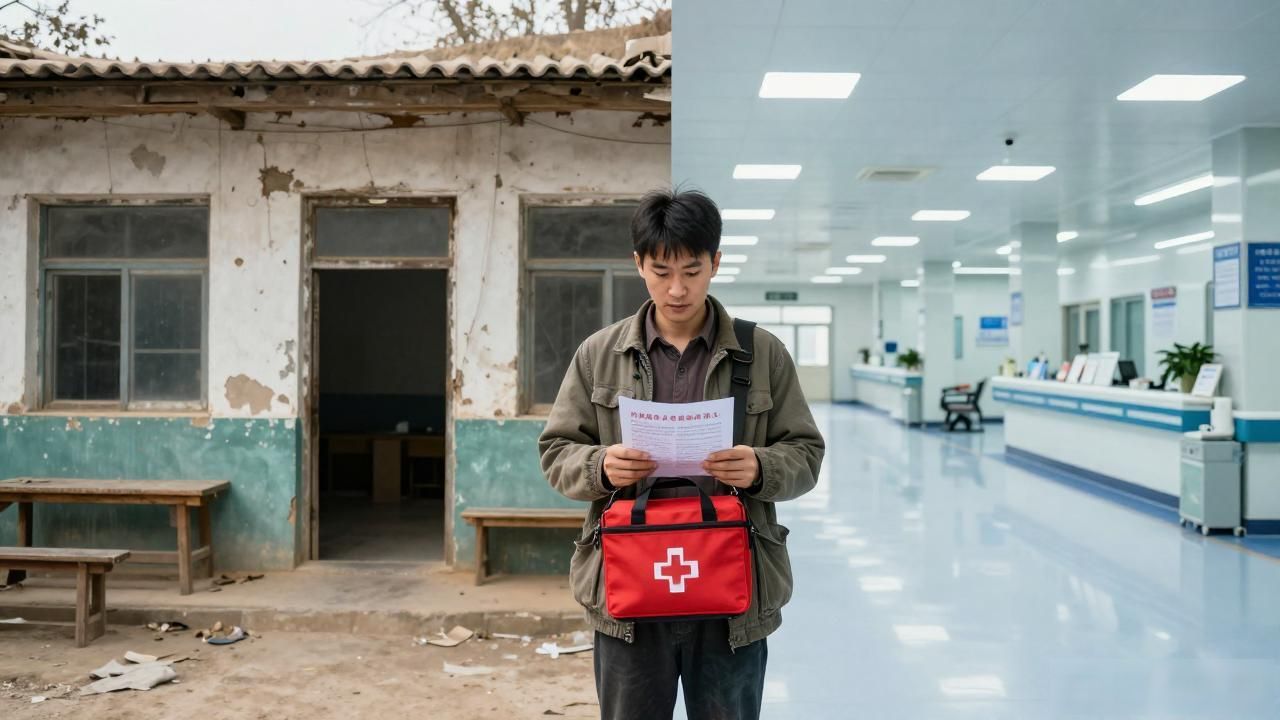
The real risk most travel blogs skip: medical access in rural areas. Big cities are fine. A clinic in Gansu or Guizhou might handle a blister but freeze over a high fever. I carry a basic first-aid kit and a phrasebook with “I need a doctor” in Mandarin,and I’ve used that line maybe twice in five years. Not terrifying. Just different from home.
I’m not going to pretend everything works the way it would back in my city. But “safe” isn’t the same as “comfortable.” On the safety front, after all these trips, I’ve never once locked my doors at night or scanned a room for a thief. Go enjoy the dumplings. The rest will sort itself out.