
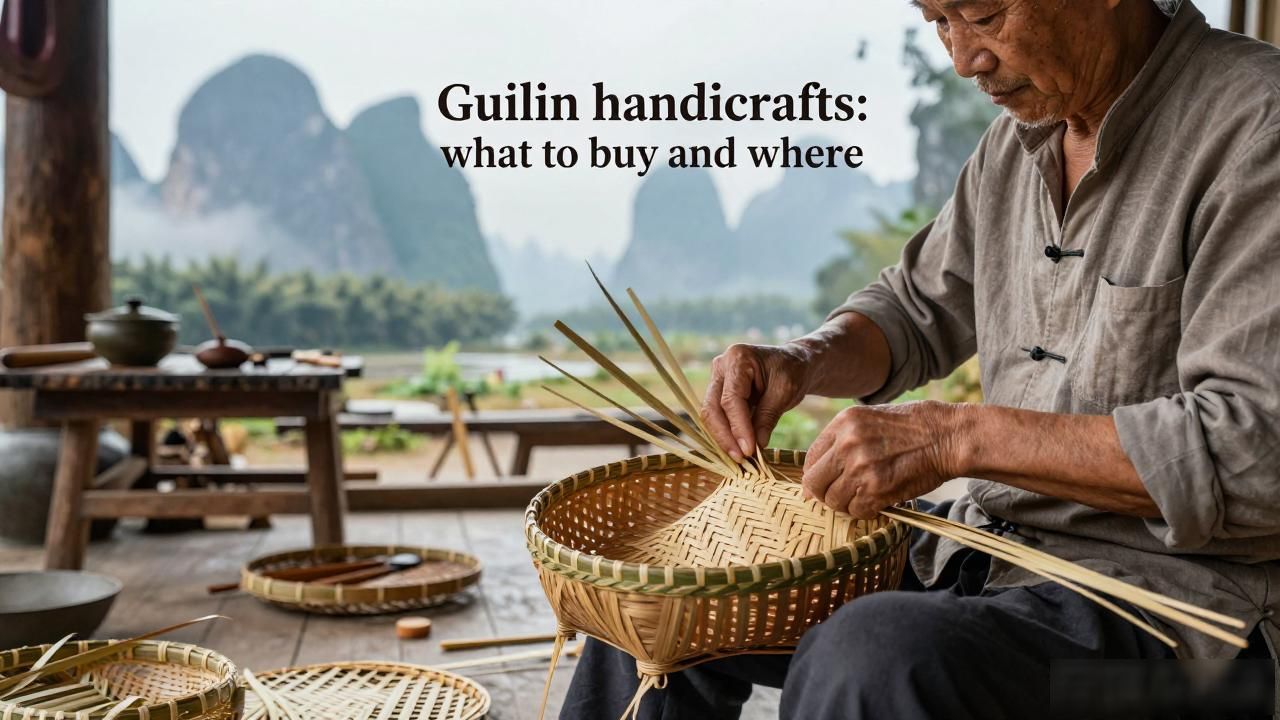
As a lifelong resident of Guilin, I’ve watched this city evolve from a postcard backdrop into a thriving hub for traditional crafts. Many tourists overlook the artisan workshops hidden in the alleys,opting instead for mass-produced souvenirs. To me, real Guilin handicrafts are not just objects; they are tangible pieces of local history and daily life, from the delicate threading of bamboo to the intricate carving of wood. Understanding what these items represent changes how you shop, turning a simple purchase into a cultural exchange.
Why Guilin handicrafts matter more than souvenirs

Most travelers grab a magnet or keychain at the airport and move on. But the soul of Guilin lives in its handmade items. Bamboo weaving is perhaps the most iconic, with artisans transforming simple stalks into durable baskets and hats. These aren’t just decorative; they serve practical purposes in rural homes. Visiting a weaving studio lets you see the hours of labor involved. You learn that the pattern’s complexity ties directly to the weaver’s skill level. This process creates a connection between the buyer and the maker, something a factory product can’t offer. The tactile nature of the material also speaks to the local climate, where humidity demands breathable, natural fibers.
Where to find authentic pieces
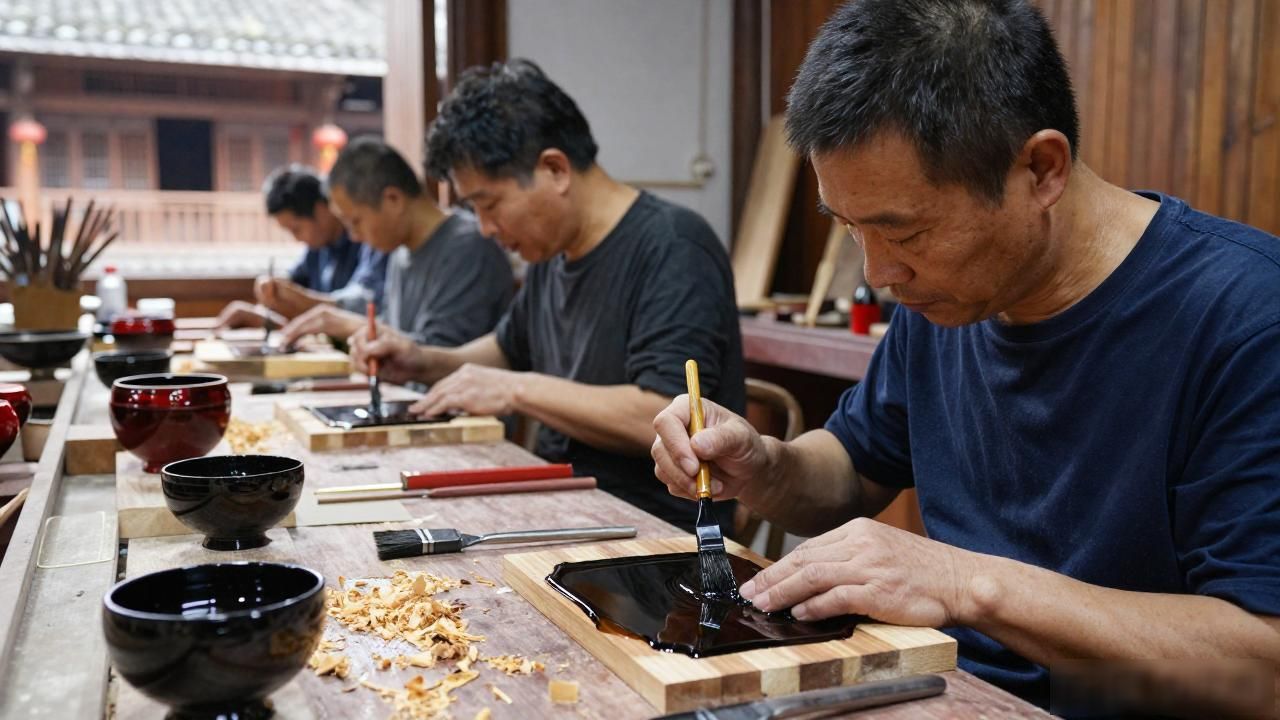
You won’t find the best bargains at the main tourist squares. Head to the old towns or specific artisan districts. In Fuan, the air smells of lacquer and sawdust. Here, craftsmen work on lacquerware with a patience that borders on meditation. Each layer requires drying in a specific humidity, a detail that ensures the finish’s durability. Walking through these workshops offers a sensory experience distinct from browsing a mall. You can ask questions about the wood’s origin or the dye’s recipe. The artisans are often eager to share these stories, providing context that enriches your ownership of the piece. It’s a quiet, respectful space where commerce is secondary to craft.
How to pick the right item for you
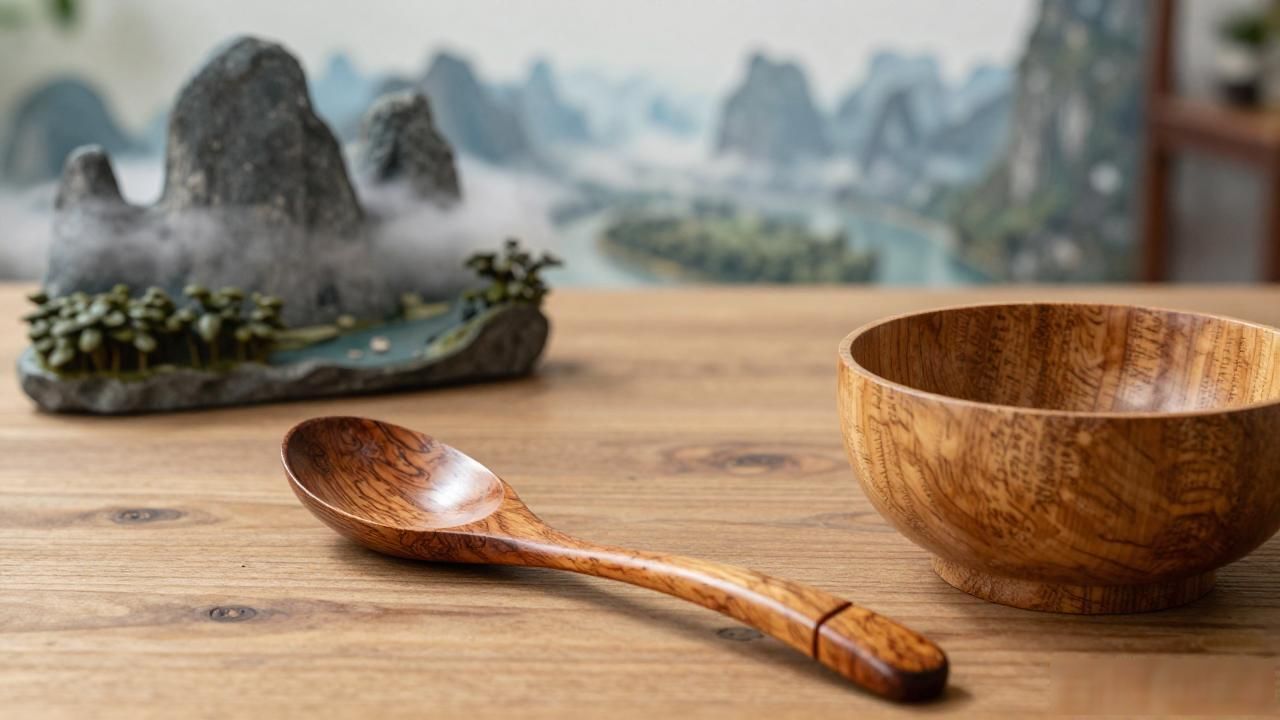
Choosing a piece depends on your travel style and living space. For those who love nature, a hand-carved wooden spoon or bowl connects you to the land. Stone carving is another strong contender, featuring motifs of the karst peaks that define the region. These small sculptures make excellent desk companions or gifts. Before buying, check the weight and stability. A well-made item should feel substantial, not brittle. Support local livelihoods by purchasing directly from the maker when possible. It ensures the profit stays in the community, sustaining the skills for the next generation. Take your time, inspect the joinery, and let your intuition guide you to the piece that resonates with you.