
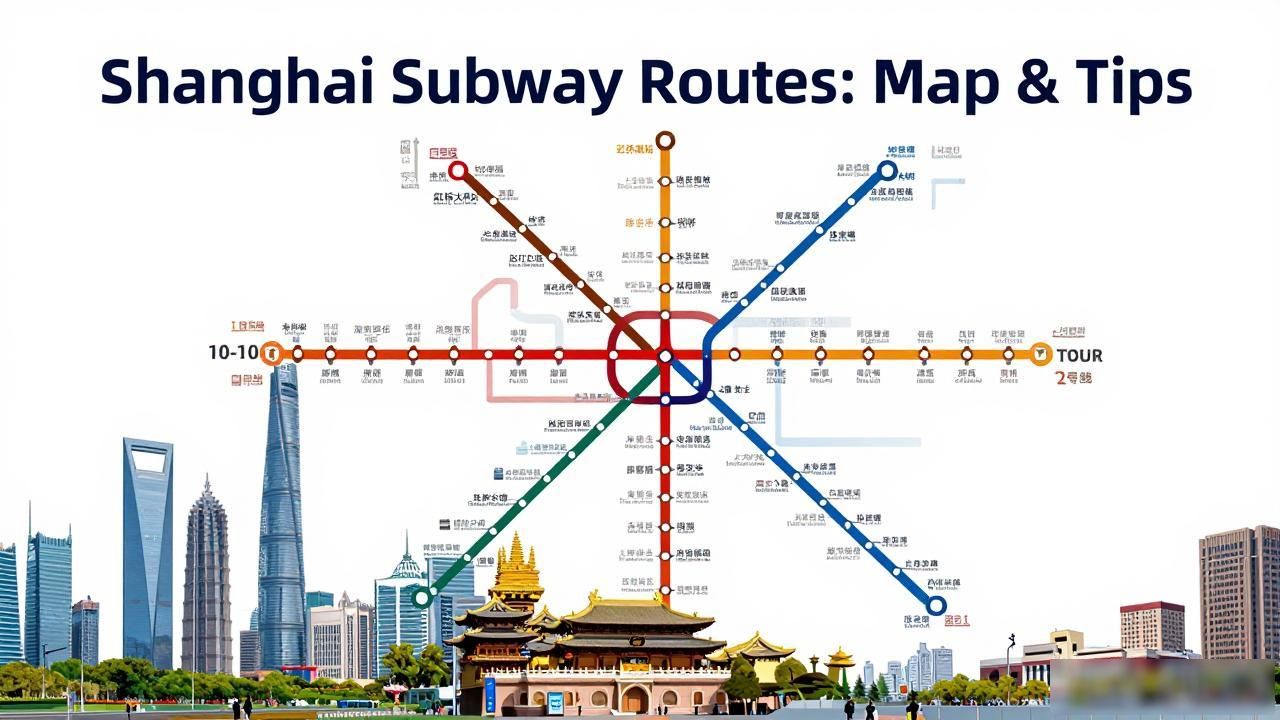
Shanghai’s subway system is a sprawling web of lines that can feel intimidating to newcomers, but it follows a strict, color-coded logic that makes navigation surprisingly intuitive once you break it down. The network isn’t just about getting from point A to B; it is the primary pulse of the city, connecting dense residential districts with major commercial hubs and tourist landmarks. Understanding the key routes and their specific characteristics saves you significant time and stress, turning a chaotic urban commute into a straightforward journey through the heart of China’s economic engine.
Which lines cover Shanghai subway routes near Bund

The core of the city is served by Lines 1, 2, and 10, which form the main artery for tourists and business travelers. Line 2 is the vertical backbone, running from Hongqiao Railway Station in the west to Pudong Airport in the east, passing through major shopping areas like Jing’an Temple and Lujiazui. It is the most critical route for first-time visitors because it links the historic West Bund with the modern skyscrapers of the East. If you are staying near the famous Bund, you are likely on Line 2 or Line 10, which circles the central area with excellent accessibility to hotels and dining districts. These lines are the busiest, so expect peak-hour crowds to be intense, especially between 7 AM and 9 AM, when office workers flood the platforms.
How to use Shanghai subway routes in Pudong
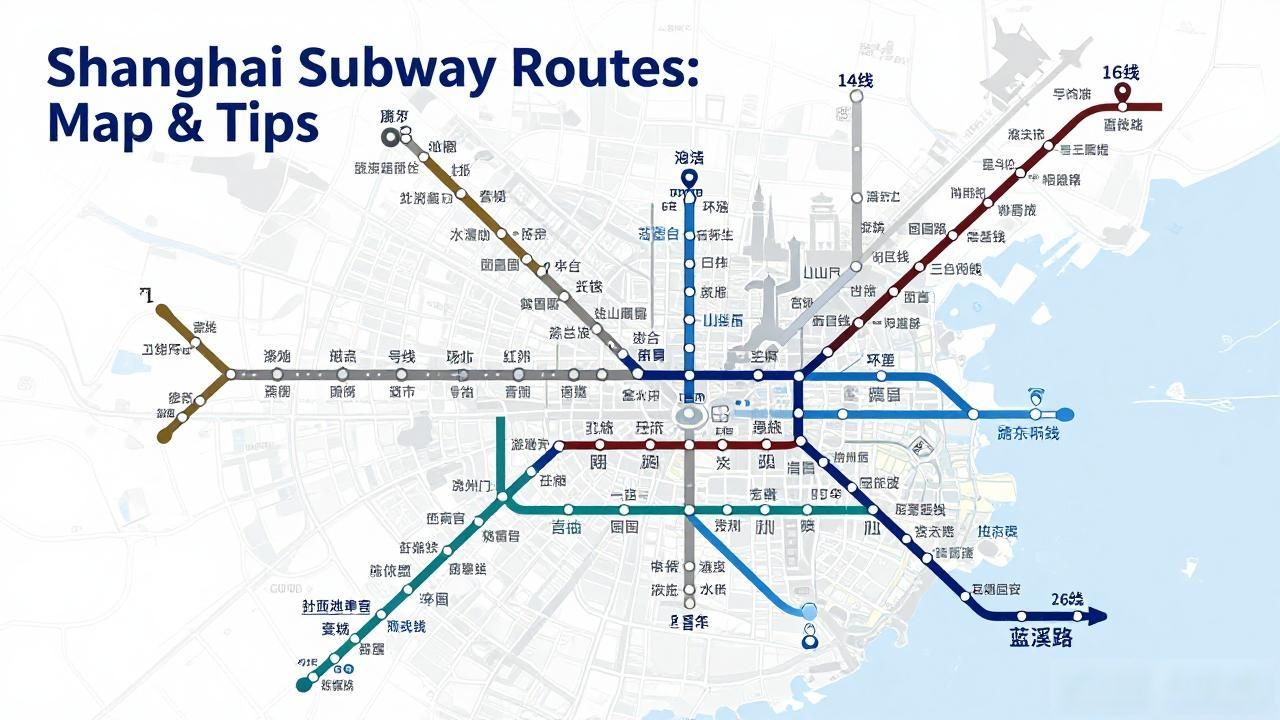
The Pudong district has its own unique grid, primarily relying on Line 2 and Line 4,with recent additions like Line 14 and Line 16 extending into newer developments. Line 4 loops through the center of the city but dips into Pudong to connect with line 6 at Lanxi Road, which is a vital transfer point for accessing the Oriental Pearl and the historic Lu Xun Park area. Many visitors get confused here because the platforms are stacked vertically rather than horizontally in some stations, meaning you have to take escalators up or down to switch lines. Always check the directional signs before entering the platform, as trains on Line 2 run in two separate directions from the center, and missing the correct stop can add twenty minutes to your trip.
Are there restrictions on Shanghai subway routes now
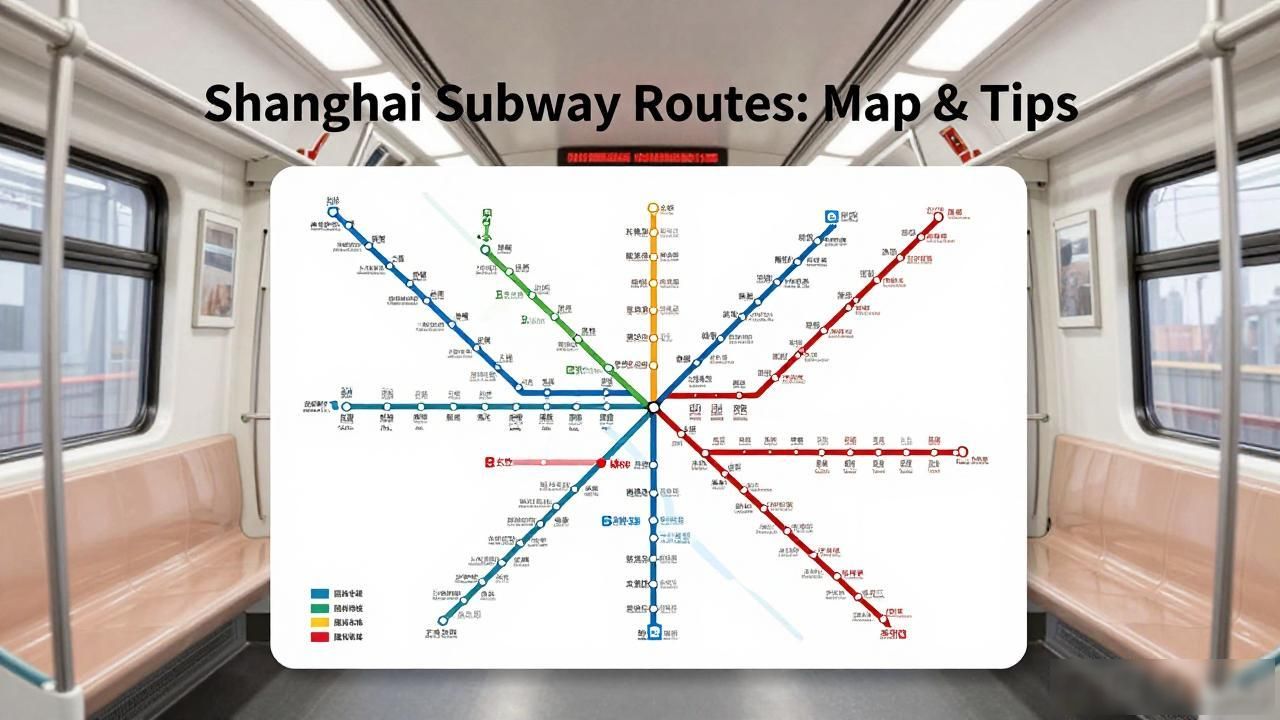
The system is incredibly well-maintained, with air conditioning running on almost all lines, a stark contrast to the stuffy buses of other Asian cities. Service generally runs from 5:30 AM to 11:30 PM, though some terminal stations close earlier. For tourists, the biggest hurdle is not the trains themselves, but the payment method. While you can buy single-journey tickets at stations, it is much faster to use Alipay, WeChat Pay, or a physical transport card. Set up a ride-hailing wallet in your banking apps beforehand, as physical queues for ticket machines can take a surprising amount of time during rush hours. There are no significant barriers to entry for foreigners, but keep an eye out for the “transfer-free” policies, as switching between certain lines within a short window usually costs you nothing extra, keeping your wallet safe while you explore the vast network.