
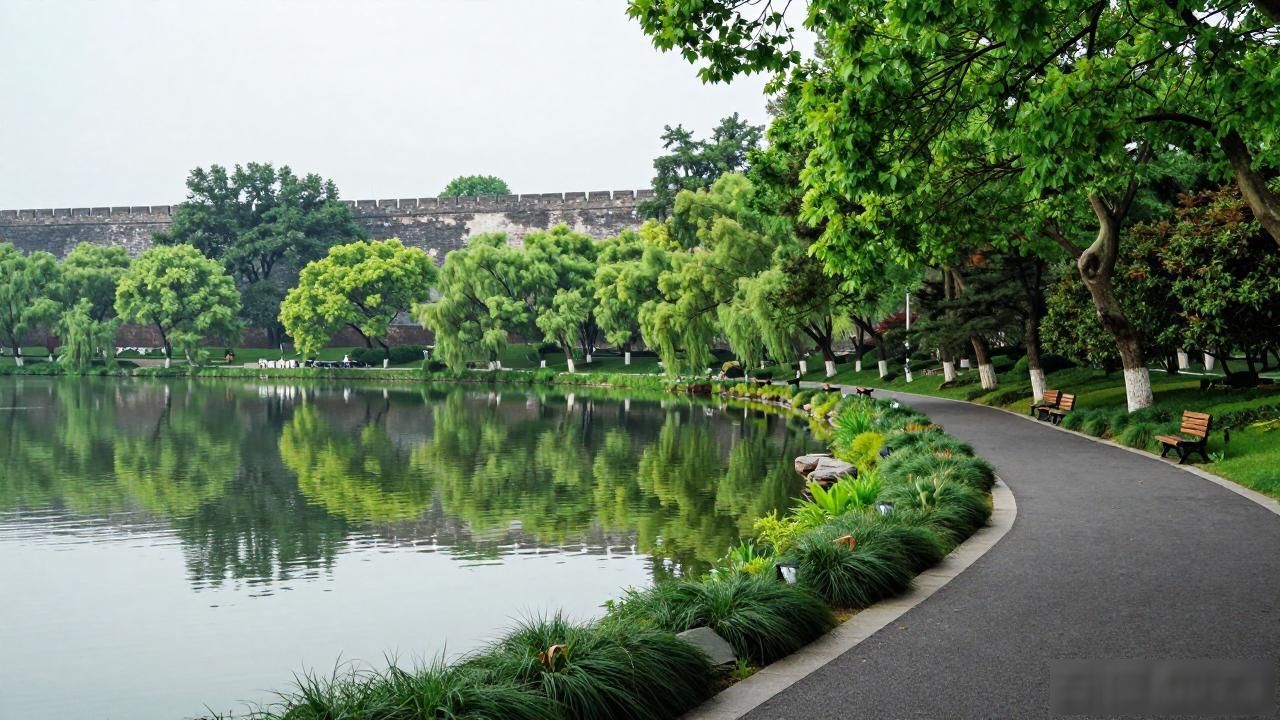
Nanjing may be best known for its imperial history and dramatic city walls, but its gardens offer something far more intimate and unexpected. Wandering through these green sanctuaries feels like stepping into a living painting — quiet courtyards, winding stone paths, and pavilions framed by ancient trees. For travelers seeking a slower pace away from crowded landmarks, Nanjing’s gardens deliver exactly that: serene spaces where Chinese landscape philosophy comes alive. Whether you have half a day or a full afternoon, these gardens deserve a spot on your itinerary.
Best Nanjing Gardens to See

Xuanwu Lake Garden immediately comes to mind when people ask about Nanjing gardens. This vast landscaped area wraps around one of the city’s most beautiful natural features — a lake fed by ancient city walls. You can rent a bicycle and circle the entire perimeter, or simply find a bench near the water and watch locals practice tai chi at dawn. The gardens here are not formally enclosed but rather a continuous ribbon of planted terrain, rockeries, and pavilions that blur the line between park and classical garden.
Just steps from the lake sits the Jiming Temple Garden, one of Nanjing’s most historically significant sites. Originally built during the Eastern Jin Dynasty over 1,600 years ago, the temple grounds contain carefully arranged rock formations, lotus ponds, and wooden walkways that echo the design principles of Ming Dynasty literati gardens. The contrast between the golden temple roofs and the surrounding greenery creates a visual harmony that photography simply cannot capture.
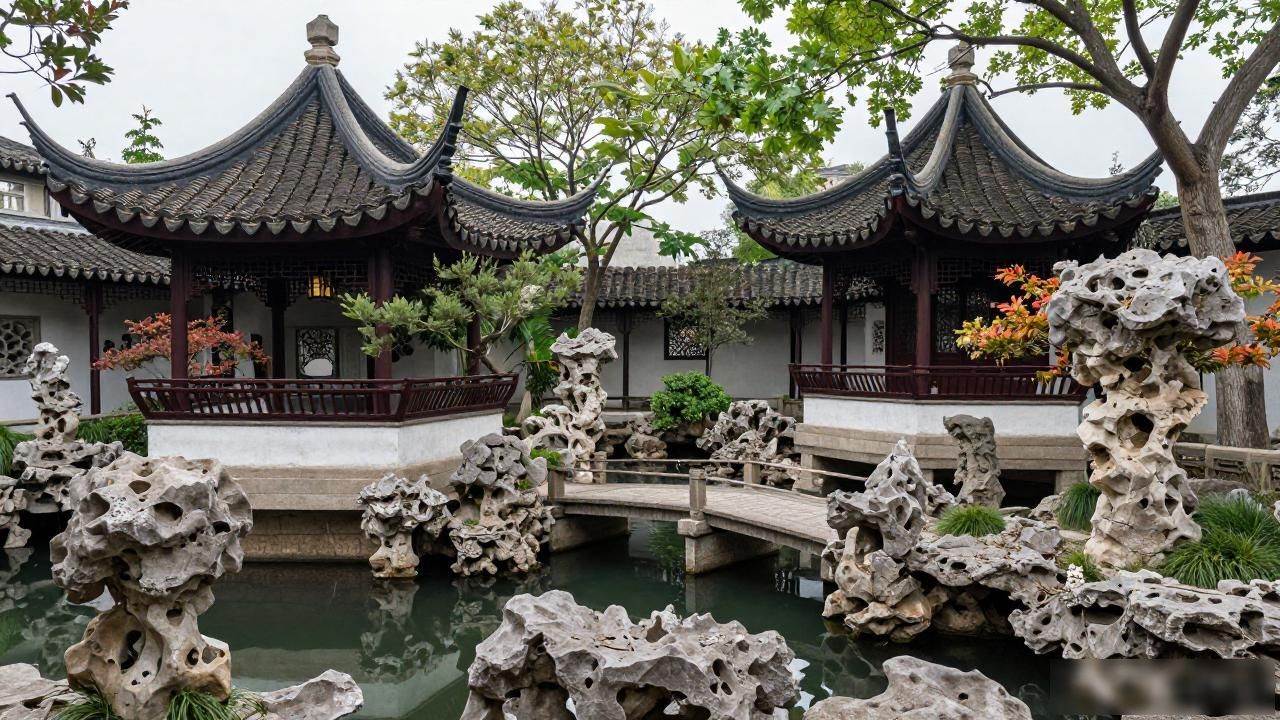
For those willing to venture slightly outside the city center, Zhanyuan Garden — also known as the Linheim Garden — offers a more compact and refined experience. Unlike the sprawling lake gardens, this classical private garden embodies the Chinese ideal of condensed landscape. Every rock placement, every window frame acting as a natural picture, and every water feature has been intentionally designed. It is small enough to appreciate thoroughly within an hour yet detailed enough to reward repeated visits.
What Makes Nanjing Gardens Unique
Unlike the famous gardens of Suzhou, which are celebrated for their elaborate rock work and residential elegance, Nanjing’s gardens carry a distinct character shaped by their imperial past. The city served as the capital of multiple dynasties, and this historical weight gives its gardens a grander scale and a more open feeling. Where Suzhou gardens feel like私密的文人书房, Nanjing gardens feel更像是皇家与民园之间的对话。
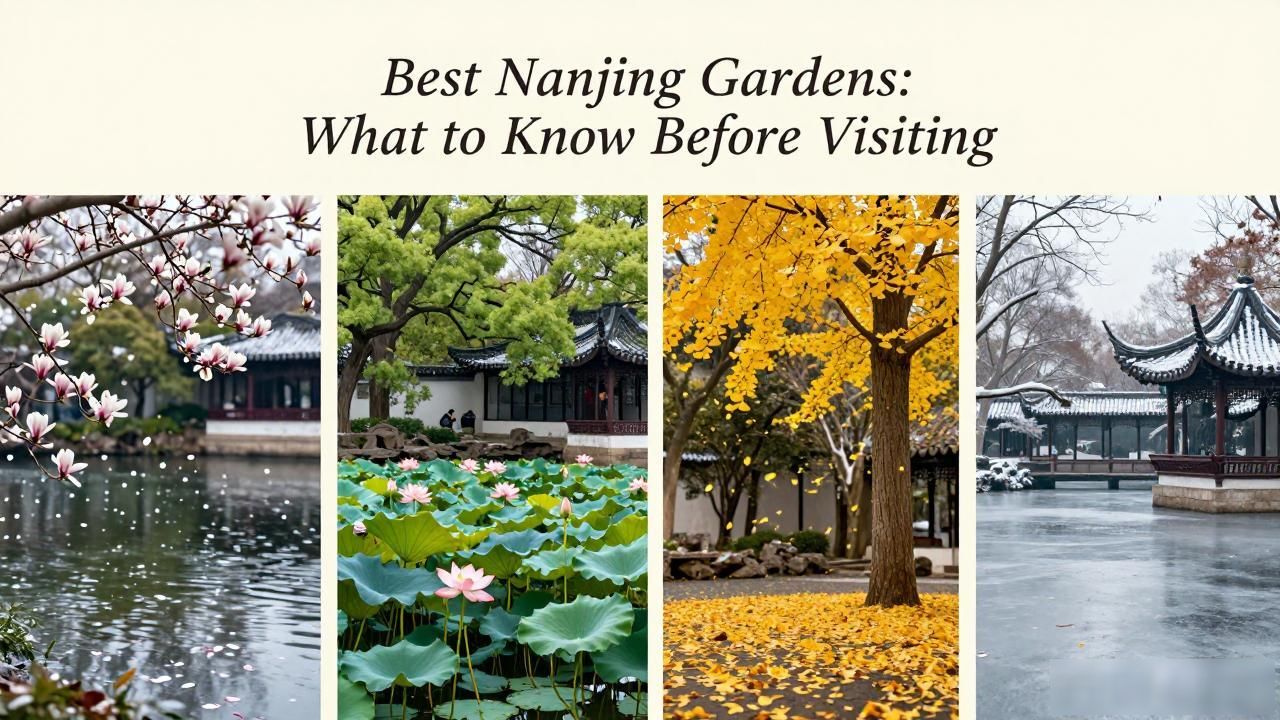
The seasonal rhythm here also deserves attention. Spring brings magnolia and peach blossoms along the lake edges, summer transforms the gardens into shaded retreats filled with cicadas and lotus flowers, autumn paints the gingko trees in brilliant gold, and winter offers a haunting stillness especially at dawn when mist rises from still water surfaces. Each season presents an entirely different aesthetic experience, making timing crucial for first-time visitors.
Practical tips matter as well. Most gardens are free or charge minimal entry fees compared to major tourist attractions. The best visiting hours are early morning between seven and nine, when the light is soft, crowds are thin, and the gardens feel genuinely peaceful. Locals frequent these spaces daily for exercise and socializing, so approaching them with respect for their living community rather than as empty stage sets will enrich your experience considerably.