
Best Places to Visit in Chongqing: Top Travel Landmarks
Chongqing is not a city you discover by accident; it reveals itself through effort. Perched along the steep banks of the Yangtze River, this place demands you walk, climb,and look up. The skyline you see from afar is misleading—the real story lives in the alleys, the river terraces, and the staircases that seem to go nowhere. The best Chongqing landmarks reveal themselves only when you embrace the climb. For first-time visitors, the challenge of navigating this mountain city is part of the reward, not a deterrent.
What Are the Must-See Attractions in Chongqing

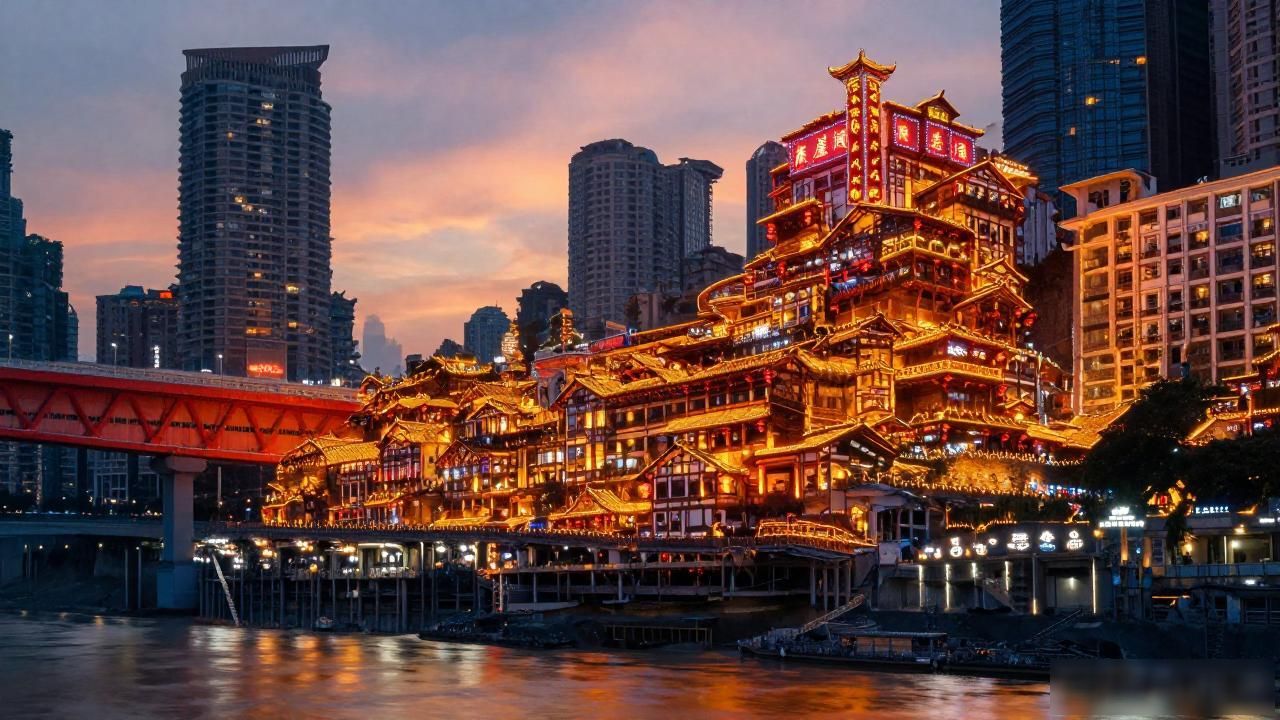
Hongya Cave is the most photographed site in the city, and for good reason. At dusk, its multi-layered traditional architecture lights up in gold and red, rising from the riverbank like a scene from a fantasy film. The view from the Qiansimen Bridge opposite creates one of those postcard moments that never disappoints. I’ve walked through this area dozens of times and it still stops me mid-step.
Hongya Cave at night is absolutely breathtaking, especially during holidays when the crowds thin just enough to appreciate the scale of the structure. Below the cave, the Nanbin Road promenade offers a riverside walk with views that stretch across the entire urban expanse. The contrast between old and new is not subtle here—it is aggressive and beautiful.
Ciqikou Old Town sits just twenty minutes from the city center but feels worlds away. The narrow stone paths wind past teahouses, noodle stalls, and craft shops that have operated for generations. Tourists flock here, but if you arrive before nine in the morning, you can still find the version of Ciqikou that locals remember. The surrounding Xijiao Mountain trail rewards early risers with forest views and ancient temple ruins that most visitors miss entirely.
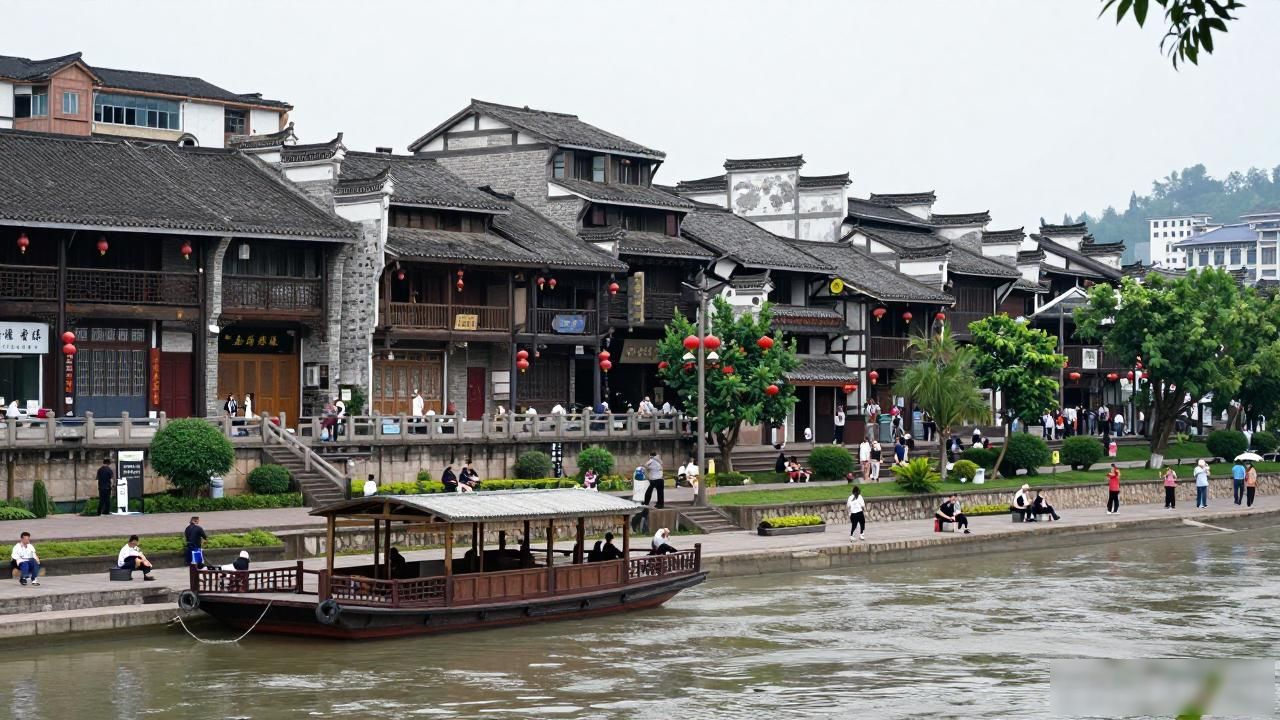
Jinyu Ancient Town lies along the Jinyu River and offers a quieter, more intimate version of Chongqing’s historic river life. This was once a bustling commercial port, and traces of that era remain in the preserved dock areas and old merchant houses. The riverfront park along its banks is where residents come to dance, practice tai chi, and watch the water flow slowly toward the Yangtze. It is unpretentious and completely authentic.
How Should You Plan Your Chongqing Landmark Tour
Walking is your primary mode of transport here. Buses exist, taxis are available, and the light rail system is impressive, but the most memorable moments happen on foot. The hillside neighborhoods that define Chongqing’s character are only accessible through their staircases and winding paths. The true charm of Chongqing’s landmarks lies in the neighborhoods between famous sites, not in the sites themselves.
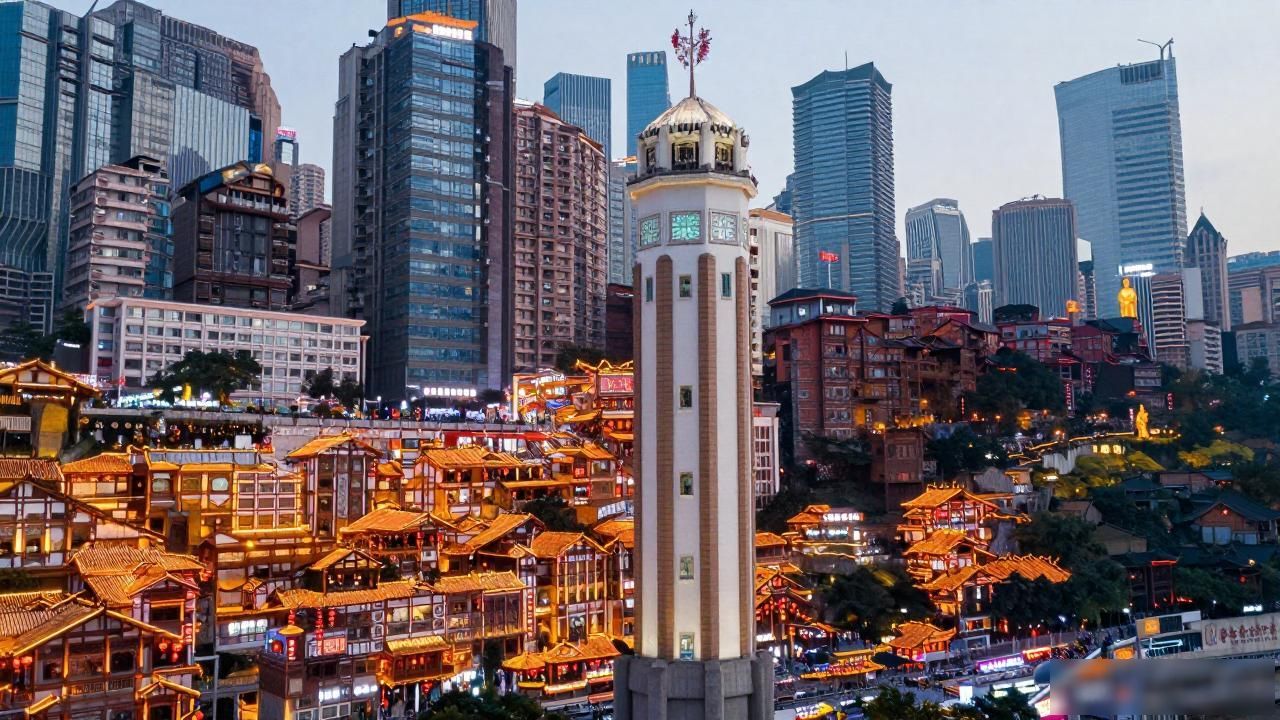
Plan your days around elevation and location. Hongya Cave, the Jiefangbei CBD, and Raffles City all cluster within a compact downtown area that is walkable from one end to the other. Ciqikou and Jinyu are further apart but easily reached by taxi or bus. Try to combine geographically close attractions in a single day to avoid climbing hills three times.
Hotpot is not optional. Chongqing hotpot is famously spicy and unlike anything you will find elsewhere in China. This is not a mild introduction to Sichuan cuisine; it is a cultural rite of passage. Ask forwei la (non-spicy) if you must, but ask for la (spicy) if you want the real experience. The city’s culinary identity is inseparable from its landscape—both are intense, both leave a mark, and both reward visitors brave enough to engage with them fully.