
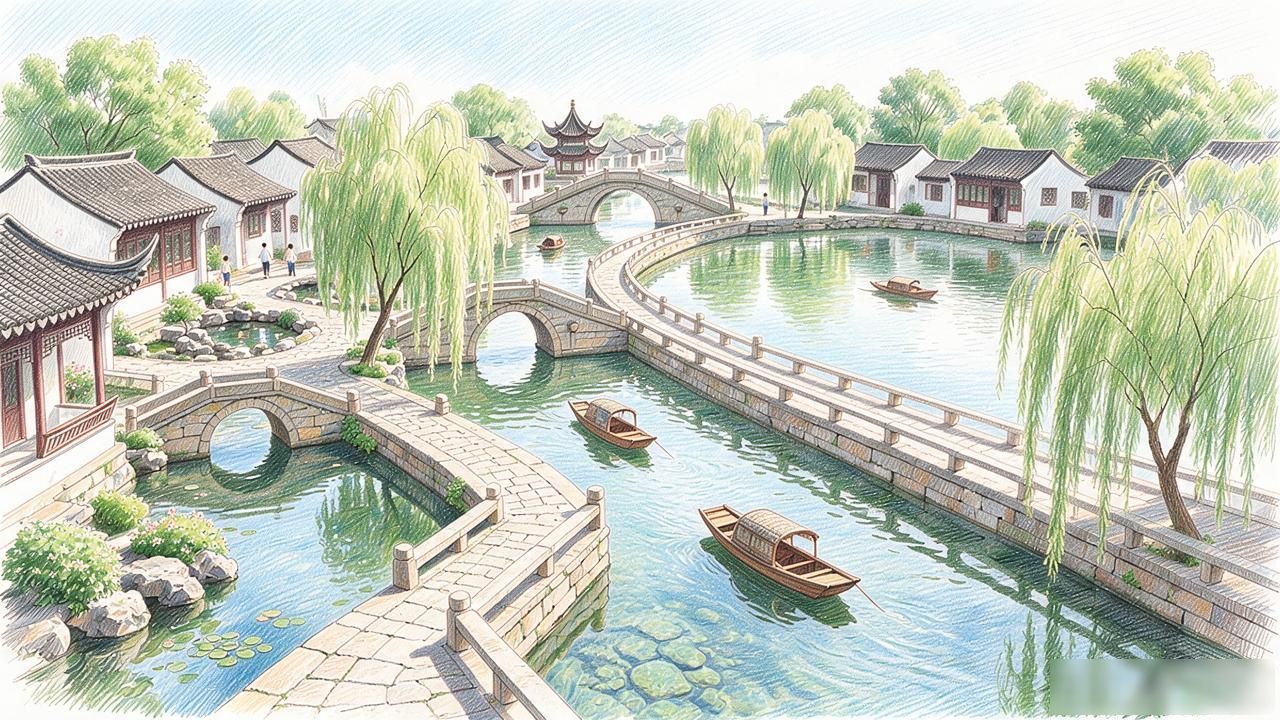
There is a reason water flows through every courtyard, every stone arrangement, and every quiet corner of Suzhou’s legendary gardens. I have walked through these spaces for years, and each visit reminds me that water is not merely decoration here — it is the soul. When I think about what makes these places truly unforgettable, I always return to the way water moves through them. It shapes sightlines, creates reflection, and transforms a simple garden into something alive and breathing.
Why Does Water Matter So Much in Suzhou Gardens?
The answer is simpler than you might expect. Water is the thread that weaves the entire garden together. Without it, you are left with rocks, pavilions, and plants — beautiful, yes, but lacking the dimension that makes these spaces feel complete. In Suzhou, water acts as a mirror, a path, a boundary, and a sound all at once.

Historically, Suzhou sat within the Yangtze River Delta, a region defined by rivers, canals, and lakes. The people who built these gardens understood water intimately. They did not fight the landscape; they worked with it, carving channels, deepening ponds, and creating the illusion of vast waterways within cramped urban plots. This was necessity meeting artistry.
What Makes Suzhou Water Features Different From Other Chinese Gardens?
Many people assume all Chinese gardens look similar. They do not. Suzhou gardens treat water as the centerpiece — not the pavilion, not the rockwork, not the bamboo. In Beijing’s imperial gardens, water often serves a grand, ceremonial function. In Suzhou, water is intimate, contemplative,almost conversational.
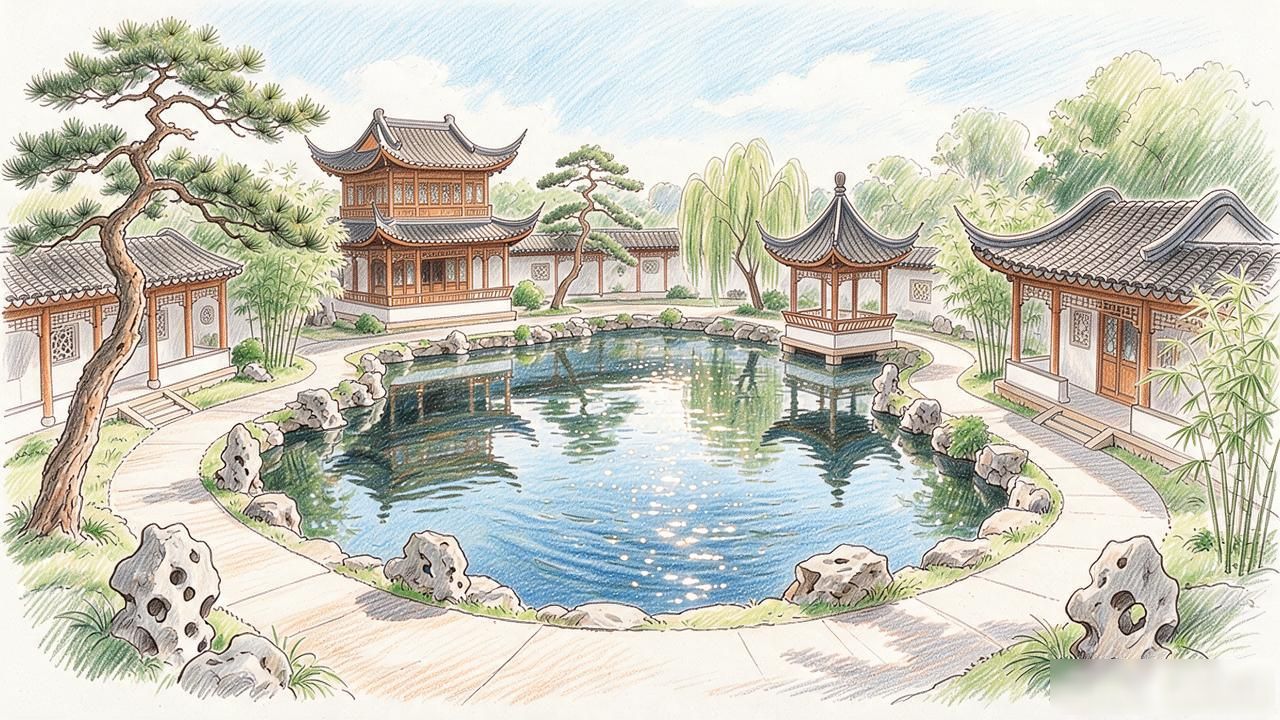
Take the Humble Administrator’s Garden, for instance. Its central lake dominates the entire space, and every pavilion, every walkway curves toward it. The water is never hidden. It is always seen, always heard, always present. This is the Suzhou philosophy: water commands attention without demanding it.
The Master of Nets Garden offers another perspective. Here, water penetrates deeper into the narrow site. Boats once glided through corridors of pond and passage, turning a small plot into something that felt expansive and endless. The technique is called borrowing, and it depends entirely on water to work its magic.
Which Gards Have the Most Spectacular Water Scenes Today?
The Humble Administrator’s Garden remains the most impressive, with over half its area covered in water. Lotus blooms in summer create what locals call a natural canvas. The Lingering Garden deserves attention for its clever arrangement — water here is framed by rockeries in a way that makes the pond appear larger than it truly is.
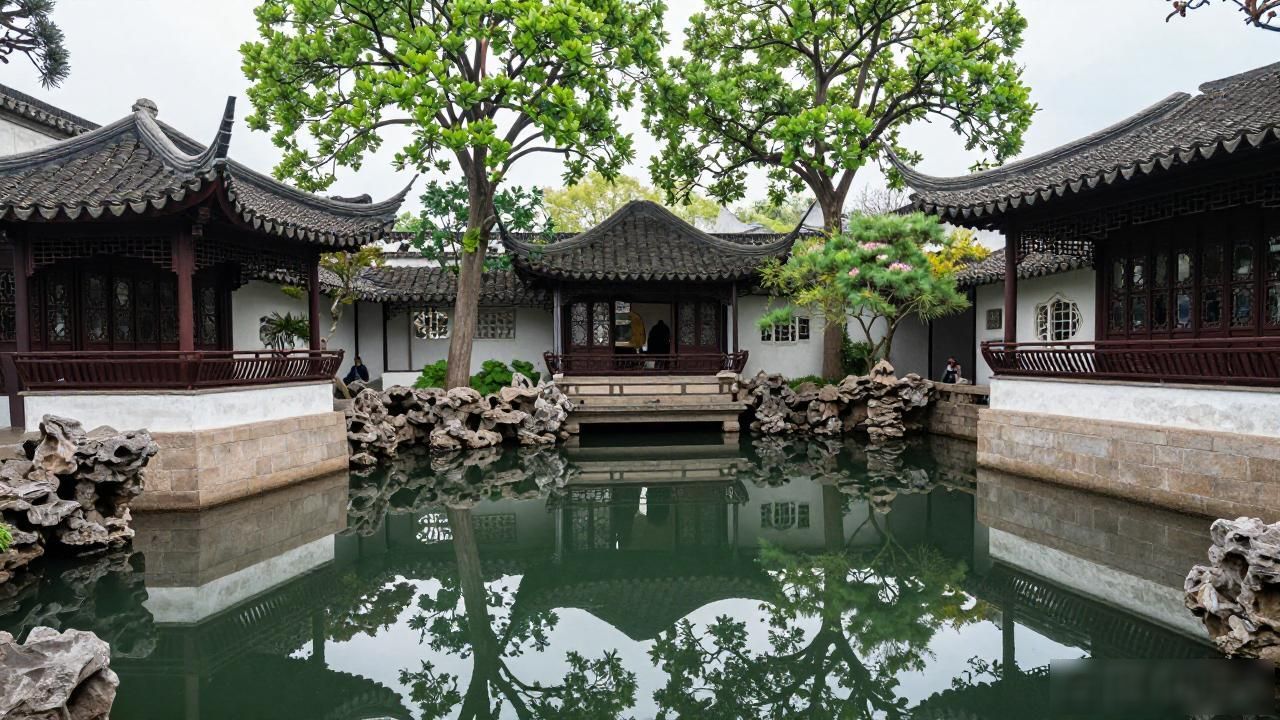
For something quieter, I recommend the Masters’Mound Garden. Its single central pond is small but extraordinarily well composed. Every angle offers a different reflection, and the surrounding corridors ensure you never lose sight of the water as you move through the space.
The Mountain Villa of Embracing Beauty deserves special mention. Its water system connects multiple courtyards in a way that most visitors overlook. Following the stream from one section to another reveals how the original designers thought about movement, time, and the gradual unfolding of a scene.
What makes Suzhou gardens endure is not their size but their intention. Water teaches patience. It asks you to slow down, to watch ripples, to notice how a single lotus leaf changes the entire mood of a courtyard. Those who do so find something rare — a place where nature and human design exist in complete harmony, without either side competing for dominance.