
What Makes Palace Museum Architecture So Unique
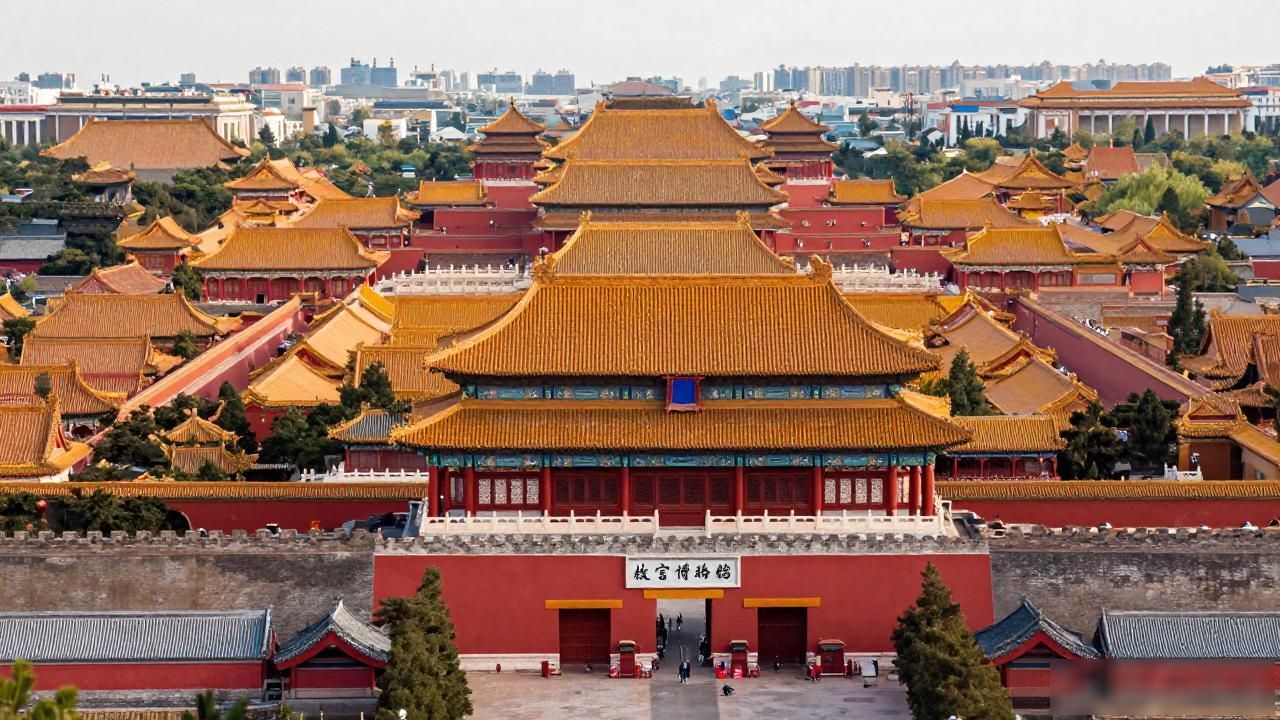
Standing at the heart of Beijing, the Palace Museum — known worldwide as the Forbidden City — rises like a golden dream carved from stone and wood. Its sprawling complex of 980 surviving buildings once housed Chinese emperors for nearly five centuries, and today it draws millions of visitors each year who come to witness one of the finest examples of traditional Chinese palace architecture in the world. As someone who has spent years studying imperial buildings across Asia, I find myself continually returning to the Forbidden City, not just for its beauty but for the deep cultural logic embedded in every courtyard, roof ridge, and painted beam. Understanding Palace Museum architecture means understanding how ancient Chinese philosophy shaped the physical world around the emperor — a world built to project power, harmony, and divine mandate.
Why is Palace Museum layout so symmetrical

The most striking feature of the Palace Museum is its breathtaking axial symmetry. The entire complex is organized along a single north-south central axis that stretches over a kilometer through the heart of old Beijing. Every major hall sits precisely on this line, creating a sense of unbroken order that was meant to mirror the cosmic order of the universe itself. This layout was not merely aesthetic; it was deeply political. The emperor occupied the center, both physically and symbolically, with all subordinate structures arranged in carefully measured distances on either side.
Walking through the Meridian Gate toward the Hall of Supreme Harmony, visitors experience a deliberate pacing of spaces — narrow courtyards giving way to vast open plazas, low walls rising to towering gatehouses, and dark wooden corridors opening suddenly into sunlit chambers. This choreography of space was designed to overwhelm and humble anyone approaching the throne. The architecture speaks of a civilization that believed order in physical space reflected order in the state and in the cosmos. Even the smallest details, from the number of roof animals perched on ridges to the color of courtyard paving stones, were governed by strict hierarchical codes that left no room for ambiguity.
What do Palace Museum roofs and colors symbolize
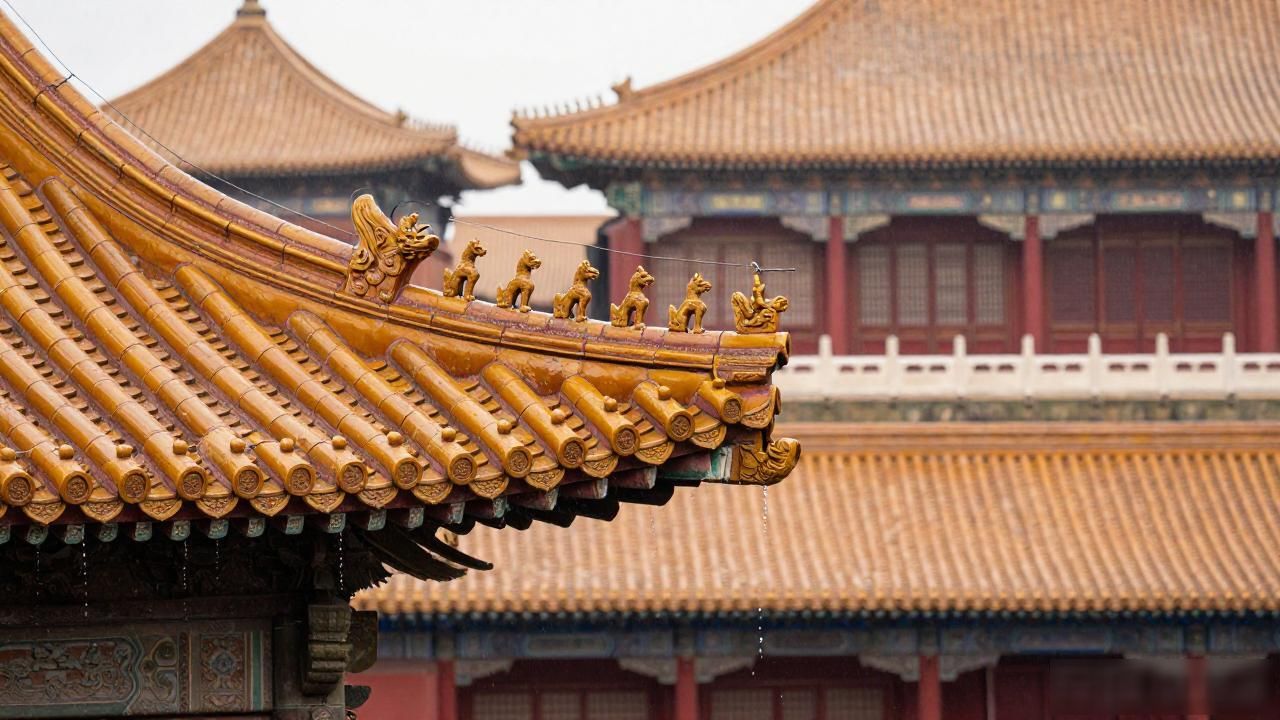
Roofs in the Palace Museum are among the most visually dramatic elements of Chinese imperial architecture. The sweeping curved eaves, adorned with rows of mythical beasts, were not decorative whims but sophisticated engineering solutions designed to channel rainwater away from wooden structures while creating an impression of lightness and grace. The golden yellow glazed tiles reserved exclusively for the emperor’s buildings signaled his supreme status — no other structure in the entire empire was permitted to use this color. Purple and green tiles marked residences of lower-ranking members of the imperial household, creating an immediate visual hierarchy across the complex.
The dominant red walls throughout the Palace Museum carry deep symbolic weight. In Chinese culture, red represents good fortune, joy, and vitality. Combined with the white marble terraces that form the foundation of most major halls, the color palette creates a striking visual contrast that has become instantly recognizable worldwide. The triple-tiered marble platforms beneath the Hall of Supreme Harmony, carved with intricate dragon motifs, serve both a practical purpose — elevating the structure above flood waters — and a symbolic one, placing the emperor closer to the heavens. These design choices were never accidental; every material, color, and form carried meaning that reinforced the ideological foundation of imperial rule.
How has Palace Museum architecture endured through centuries
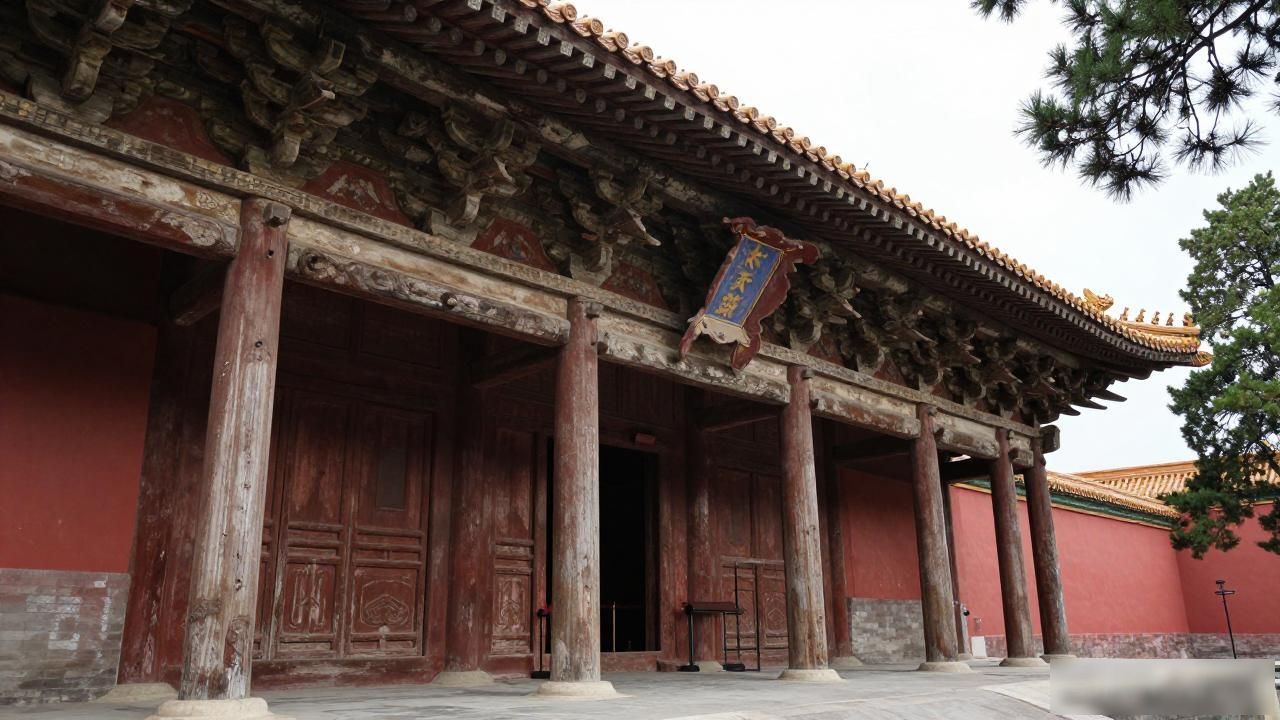
Perhaps the most remarkable aspect of Palace Museum architecture is its resilience. Having survived wars, dynastic changes, natural disasters, and the test of time itself, these wooden structures continue to stand strong after nearly six centuries. The secret lies in traditional Chinese timber framing techniques — particularly the use of interlocking brackets called dougong that connect columns to beams without nails. These flexible joints allow the buildings to absorb seismic energy,making them remarkably earthquake-resistant, a vital feature given Beijing’s location on a fault line.
Modern preservation efforts have brought new challenges. Tourism pressure, environmental pollution, and the sheer scale of maintenance required have forced conservators to balance accessibility with protection. Yet the craftsmanship of the original builders continues to inform restoration work today, with artisans trained in traditional methods repairing damaged beams and repainting faded murals using recipes passed down through generations. The Palace Museum remains not just a monument to imperial grandeur but a living testament to the ingenuity of Chinese architectural tradition — a tradition that continues to inspire architects and historians around the world who study how form, function, and philosophy can be woven together into stone and wood.