
How to Use Shanghai Metro System
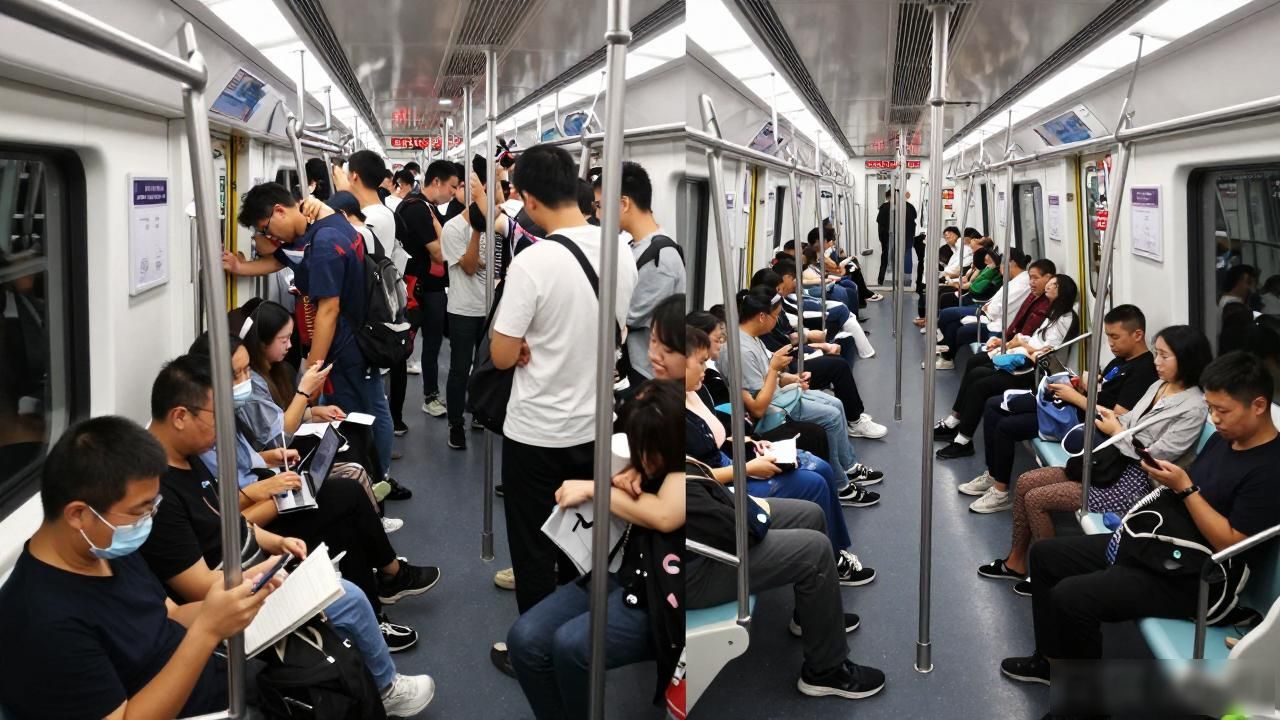
Shanghai’s metro is the backbone of the city’s transportation network, and mastering it will save you both time and money during your stay. The system stretches across 20 lines covering most of the urban area and beyond. What makes it particularly foreigner-friendly is the English signage throughout every station, along with multilingual announcements on trains.
The line numbers are color-coded, which helps you navigate without constantly checking maps. Line 2, painted in light blue, runs east-west through the city center and connects both major airports through transfers. Line 10 takes you directly to the Bund and Nanjing Road shopping district. If you are staying near the metro, finding your way becomes remarkably straightforward.
You can pay using the Shanghai Metro app, Alipay, WeChat Pay, or purchase a single-journey card from ticket machines. The metro operates from roughly 5:30 AM to 11 PM, so plan accordingly if you enjoy late evenings out. Fares start at 3 yuan and scale based on distance traveled. For frequent riders, consider getting a rechargeable transit card.

The rush hours between 7:30 and 9 AM, and again from 5:30 to 7 PM, bring heavy crowds that test your patience. Avoid traveling during these peaks if your schedule allows flexibility, since carriages can become uncomfortably packed. Outside peak windows, you will find plenty of seating available.
Best Ways to Get Around Shanghai
Beyond the metro, Shanghai offers multiple transportation options that complement each other well. Taxis are abundant and reasonably priced compared to cities of similar size. Most drivers do not speak English, so carrying your destination written in Chinese characters proves essential. Make sure the taxi meter is running when you enter,and insist on it if the driver suggests a fixed price.
Didi, the Chinese version of Uber, operates throughout the city and accepts international credit cards. The app interface is available in English, making it one of the easiest options for visitors who feel uncomfortable hailing street taxis. Ride-hailing tends to be slightly more expensive than regular taxis but offers the advantage of knowing your fare before confirming the trip.
Shanghai also has an extensive bus network with over 1,000 routes crisscrossing the metropolitan area. Bus fares are incredibly affordable at around 1 to 3 yuan per ride. The main challenge for foreigners lies in reading Chinese route numbers and stops, though some newer buses display English stop names on digital screens. Bike-sharing programs from companies like Mobike and HelloBike dot the sidewalks and provide a flexible option for short distances.
Shanghai is remarkably walkable in central districts like Huangpu and Jingan, where major attractions cluster within compact areas. Strolling along the Bund at sunset or wandering through the French Concession neighborhoods offers experiences no vehicle can match. However, summer heat and winter chill make walking less appealing during extreme weather months.
Shanghai Public Transport Tips
Getting comfortable with Shanghai’s transportation system takes a bit of adjustment, but a few practical strategies will make your daily commute smoother. Downloading essential apps before arrival significantly reduces friction. The Metro Da Dada app provides route planning in English, while translation apps help when navigating menus written solely in Chinese characters.
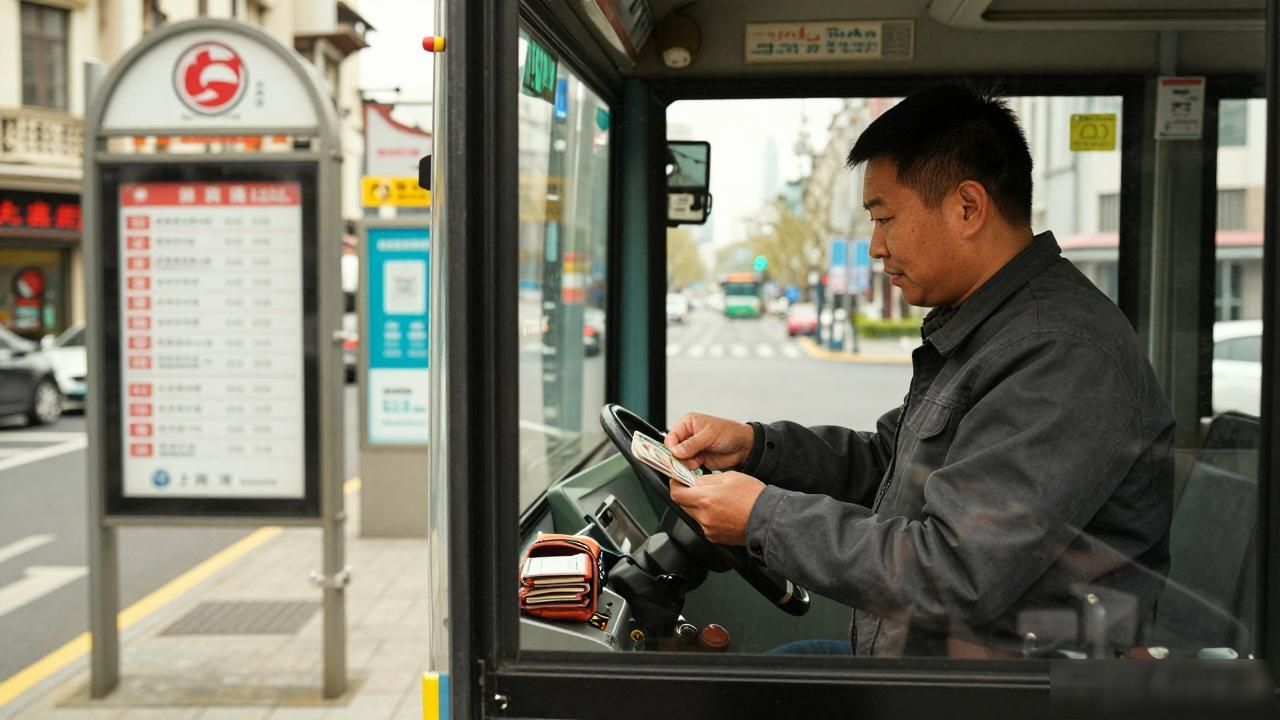
Keep small denominations of cash on hand since not all bus drivers or ticket machines accept larger bills. Many older bus routes still operate on a cash-only basis, and knowing you have the exact fare saves awkward moments at the boarding door. Digital payment methods work widely in the metro and for ride-hailing, but cash remains useful for smaller vendors and less touristy areas.
Learning a handful of basic Chinese phrases related to directions proves more valuable than you might expect. Simply knowing how to say “where is the metro station” or “go to this address” in Mandarin opens doors that English alone cannot. Locals appreciate the effort, and this small gesture often leads to more patient and helpful interactions when you need assistance.
Shanghai’s transportation landscape may seem overwhelming at first glance, but the system rewards those who invest time in understanding its patterns. The metro provides reliable coverage across the city, taxis and ride-hailing services fill gaps where metro access is limited, and buses offer an economical alternative for shorter trips. Combine these options with walking whenever possible, and you will find navigating this mega-city far less intimidating than it appears from the outside. With a little preparation and the right apps on your phone, moving through Shanghai becomes second nature within days rather than weeks.